Can Dogs Eat Nuts? Almonds, Cashews, Walnuts And More
Most nuts are not toxic, but they are fatty and easy to choke on. A few plain almonds or cashews are fine. Black walnuts, macadamias and moldy nuts are never safe.
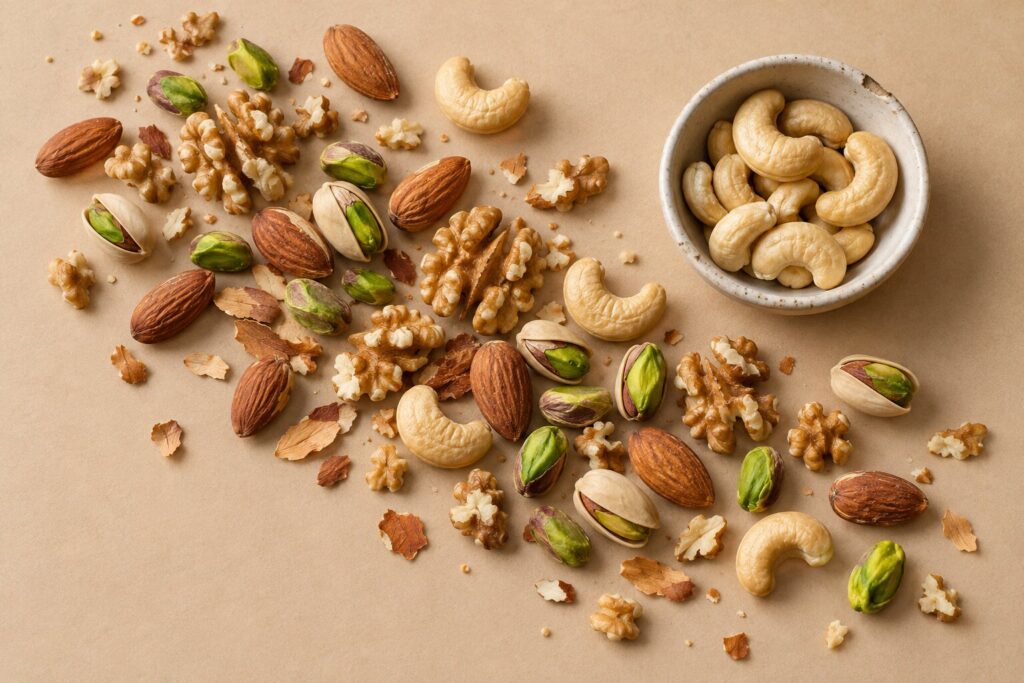
Most nuts are not poisonous to dogs, but none of them make good treats: they are very high in fat, hard to digest, and just the right size to choke on. A few plain, unsalted almonds, cashews or shelled pistachios will not hurt most dogs. Black walnuts, macadamia nuts and any nut that has gone moldy are the exceptions, and those are never safe.
If Your Dog Has Just Eaten Black Walnuts Or Moldy Nuts
Call your vet now, or one of the US animal poison lines (both charge a consultation fee):
- ASPCA Animal Poison Control: (888) 426-4435
- Pet Poison Helpline: (855) 764-7661
Do not make your dog vomit unless a vet tells you to. Mold toxins on nuts can cause tremors and seizures, and a dog that starts shaking while vomiting can inhale it. If your dog is already trembling, wobbly or seizing, go straight to an emergency clinic.
Macadamia nuts need the same call. They cause weakness, wobbly back legs and fever for reasons nobody has fully worked out, and our macadamia nut guide covers the signs.
This is the season for it. Black walnuts drop from the trees in early fall, and the husks turn black and moldy on the lawn, where dogs find and chew them. Halloween adds candy bars with nuts and nuts coated in chocolate, where the chocolate is the bigger worry.
Nuts Ranked, From Best To Never
| Nut | Verdict | Why |
|---|---|---|
| Plain unsalted peanuts, shelled | Fine in small amounts | Technically a legume. Still fatty, so keep it to a few |
| Plain unsalted cashews | Caution | Softer than most nuts, but very high in fat |
| Plain unsalted almonds | Caution | Not toxic, but hard, dense and easy to swallow whole |
| Shelled unsalted pistachios | Caution | High fat. Fine only without the shells |
| Fresh English walnuts and pecans | Caution | Rich, upset stomachs, and mold quickly once old |
| Salted, smoked, honey roasted or spiced nuts | Avoid | Salt and seasoning on top of the fat, and some blends contain garlic or onion powder |
| Nuts in the shell | Avoid | Shells can cut the mouth or block the gut |
| Trail mix and nuts coated in chocolate | Never | Chocolate and raisins are both toxic to dogs |
| Moldy or old nuts of any kind | Never | Mold toxins can cause tremors, seizures or liver damage |
| Black walnuts | Never | Mold on the hulls produces toxins that cause tremors and seizures |
| Macadamia nuts | Never | Cause weakness, tremors and fever, even in small amounts |
Can Dogs Eat Almonds?
A plain one or two is fine for most dogs, but almonds are a poor choice. They are hard, dogs tend to swallow them whole, and in a small dog an almond can lodge in the esophagus or intestines. They are also about half fat, at roughly 7 calories per almond.
You may read that almonds contain cyanide. That applies to bitter almonds, which are not sold as a snack nut in the US. The sweet almonds in your pantry do not carry that risk. You can see what almonds add when they show up on a dog food label on their ingredient page.
Can Dogs Eat Cashews And Pistachios?
Cashews are the easiest nut for a dog to chew, so the choking risk is lower, but they are very high in fat at about 9 calories each. A few plain, unsalted cashews will not hurt.
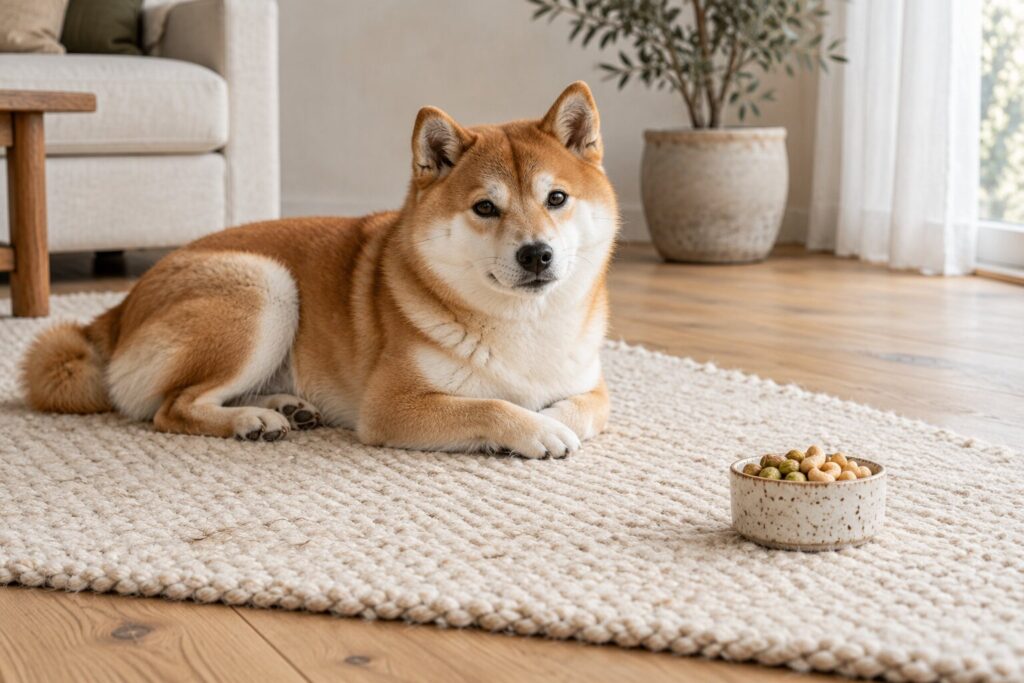
Pistachios are small and about 4 calories each, but the shells are the problem: they are sharp, do not digest, and a pile of them can cause a blockage. Like other nuts, pistachios can also carry aflatoxin, a mold toxin that damages the liver, so never share old or stale ones.
Can Dogs Eat Walnuts?
Fresh, shelled English walnuts are not toxic, but they are one of the fattiest nuts and commonly cause vomiting or loose stools. They also go moldy easily, and moldy walnuts can carry tremor causing toxins. Skip the ones at the bottom of an old bag. Pecans have the same issues.
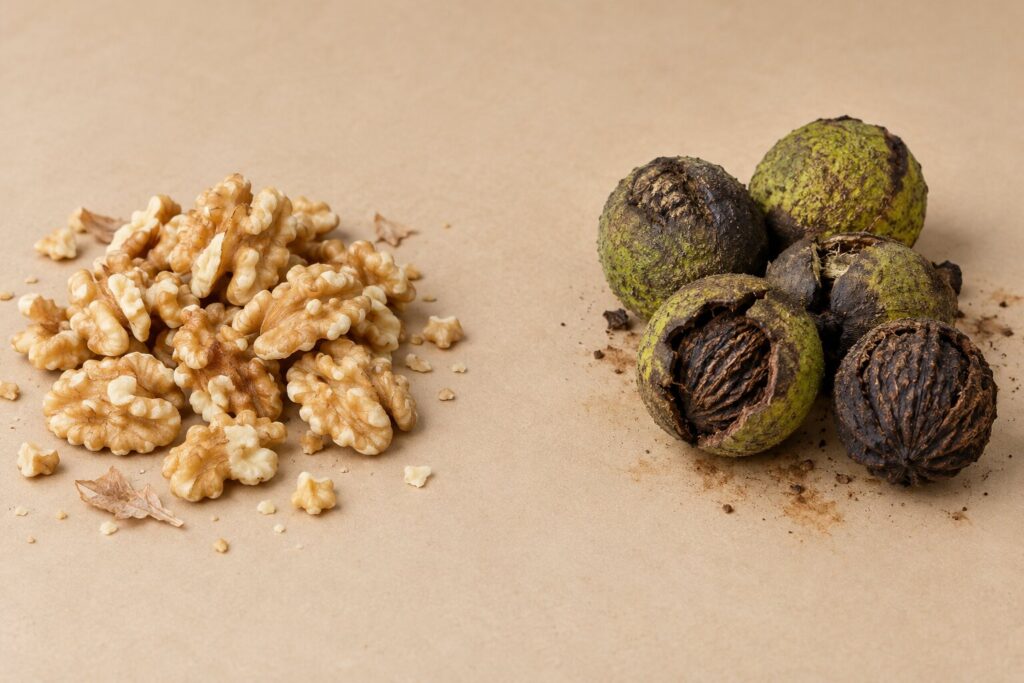
Black walnuts are a different story. They grow wild across much of the eastern US, and the green husks mold quickly once they fall. A dog that chews them can develop vomiting, tremors and seizures within 30 minutes to a few hours, which is why black walnuts are a never food even though the nut inside is not the main culprit.
Is Almond Oil Good For Dogs?
Sweet almond oil is not toxic, and a little licked off a paw will not hurt. It is not needed, though. It is pure fat, and there is no good evidence that feeding it improves a dog’s coat. If your vet suggests an oil for skin, it is usually fish oil, which has far better support. Avoid bitter almond essential oil completely, and do not use any essential oil on your dog without asking your vet.
How Many Nuts Can A Dog Eat?
Treats of all kinds should stay under 10% of your dog’s daily calories, and with nuts the fat matters as much as the calories. Our daily calorie guide shows your dog’s full budget. As an occasional treat, plain and unsalted:
| Dog weight | Plain almonds, cashews, shelled pistachios or peanuts |
|---|---|
| Under 10 lb | 1, chopped, or skip |
| 10 to 25 lb | 1 to 2 |
| 25 to 50 lb | 2 to 4 |
| Over 50 lb | 4 to 6 |
These amounts are for plain almonds, cashews, shelled pistachios or peanuts only. Never macadamias or black walnuts, in any amount. Chop larger nuts for small dogs and dogs that gulp. These are upper limits for an occasional treat, not a daily amount.
Which Dogs Should Skip Nuts
- Dogs that have had pancreatitis, or breeds prone to it such as Miniature Schnauzers
- Overweight dogs, since a few nuts can use up the whole treat allowance
- Small dogs, puppies and fast eaters, who are most at risk of choking or a blockage
- Dogs with sensitive stomachs
- Dogs on a low sodium diet for heart or kidney disease, if the nuts are salted
Mild vomiting or loose stools after a few nuts usually settles within a day. Our guide to easing an upset stomach covers home care and when to call the vet.
Nuts In Dog Food
Nuts are rare in commercial dog food. Of the 3,137 US dog foods in our catalog, 9 list almonds, and all 9 come from a single brand, Nature’s Logic. A small amount of almond in a balanced recipe is not the concern here. The snack bag on the coffee table is.
Peanut butter is the nut product you will see most often in treats. If you buy it for your dog, read the label for xylitol first, as our peanut butter guide explains. For any other food, check the food checker.
In The Kibble reads labels and publishes what the numbers say. Guides are general information, not veterinary advice. Your vet knows your dog's history and we do not, so take anything here to them before you change how you feed.
Found this useful?
Comments
No comments yet. Tried this with your dog? Tell other readers how it went.