
Ingredient file // Fruit or vegetable
Collard Greens
A real leaf with unproven dog benefits
Collard greens are harvested leaves that add plant fiber and minerals to a recipe. The available collard research measures the leaves, not their effects in dogs, so the ingredient does not promise firmer stools, stronger bones, or disease prevention.
Role in the food Supporting nutrient- What it is
- Edible collard leaves used as a vegetable ingredient in dog food, often dried and ground for kibble.
- Made from
- Harvested collard leaves
- Main job
- Named vegetable and fiber
- Typical amount
- Not published
- Watch for
- Extra servings for dogs with calcium oxalate stones
- Not the same as
- Kale or spinach
Straight answer
Is Collard Greens safe for dogs?
Read past the greens to the recipe
Look at what sits above collards on the ingredient list, then check the nutritional adequacy statement. Collards add some vegetable material, but their listed name gives no dose and proves no stool, bone, or cancer benefit. Do not choose a bag for a collard claim.
- Why it is in the food
- Named vegetable and fiber
- How common
- Listed by 18 of the 3,204 foods we track
Our read // In our catalog
In 1 of every 178 foods we track
Share of foods that list it
<1%
18 of the 3,204 foods with an ingredient list on file, from 2 brands. 17 dry dog food, 1 freeze-dried dog food.
Each square is 1% of the catalog
Where it sits on the label
Median position 28. In the top five of 0 foods, so it is usually a minor ingredient.
Above the salt
Usually listed after the salt, which caps it at roughly 1% of the recipe in 64% of foods.
Price per lb
Median of the cheapest bag price across 17 priced foods, 23% above the catalog. The price is the food's, not the ingredient's.
Who leans on it
50%
of the foods that list it are from Orijen. 2 brands use it in total.
What it is
How it is made
Collards are grown for their leaves, not recovered from a food-processing waste stream. Fresh leaves contain much water; drying and milling let a kibble maker store and mix them with other ingredients.1,5,8
- 01 // Source Collard leaves Growers harvest the edible leaves as a vegetable crop.
- 02 // Process Cleaned and trimmed In a documented preparation, workers washed off soil and separated leaves from shoots.
- 03 // Process Dried and milled Drying removes water, and milling makes the leaves easier to mix into a kibble recipe.
- 04 // Output Prepared greens The dry, ground leaves join other ingredients before the kibble dough is cooked.
What is in it
Composition, dry matter
35
% fiber
Dietary fiber in tested collard leaves. The leaf contains fiber, but a bag does not disclose how much collard fiber its recipe supplies.
Why it is in the bag
Adds some fiber and minerals, amount not disclosed
- Main nutrition
- Supporting nutrient
- Does a job
- Mostly filler
Per gram, collards carry real nutrients: tested leaves held about 35% dietary fiber and about 2,361 mg calcium per 100 g dry matter. No bag publishes how much it holds. Ingredient lists run by weight, and in one published dry food collards came after an added zinc supplement, which suggests a small amount in that recipe. Read it as a minor vegetable that adds some fiber and minerals and a recognizable green on the label.1,3,4
-
01
Adds vegetable fiber
Collard leaves contain dietary fiber, which contributes to the recipe's fiber total. Leaf analysis alone cannot predict a dog's stool response.1
-
02
Adds a named green
A published dry-food ingredient list places collards beside other leafy greens. The name gives shoppers a recognizable vegetable, though that list does not reveal its amount.3,4
-
03
Uses a specialty crop
An industry report classifies collards as a specialty crop rather than an upcycled residue. Harvesting and drying create a separate supply item; no collard-specific cost advantage was published.5,8
How much No collard-specific feeding rate was found; one published dry-food list names collards among other greens but gives no weight.3,4
Our read // The claims
What the evidence supports
Strong: controlled studies in dogs agree. Some: small or mixed dog data. Thin: mechanism or lab work only. None: nothing, or the evidence points the other way.
-
Brands say
Collards improve digestion and stool quality
Outruns the evidence
Evidence
- Strong
- Some
- Thin
- None
Brands promote collards for digestion. A leaf analysis measured about 35% dietary fiber, but tested no dogs. That number does not show whether collards change stool quality at the amount used in kibble.1,9
-
Owners say
Collards protect dogs from bladder cancer
Outruns the evidence
Evidence
- Strong
- Some
- Thin
- None
A case-control study included 92 Scottish Terriers with bladder cancer and 83 controls. Green leafy vegetable intake was associated with lower risk, but only 1 control reportedly ate collards. The study cannot assign that association to collards.2
-
Brands say
Collards support stronger bones in dogs
Outruns the evidence
Evidence
- Strong
- Some
- Thin
- None
A brand points to collard minerals for bone health. Laboratory testing found calcium in the leaves, but measured no dogs or bone outcomes. The collard amount in finished food is also unknown.1,9
-
Critics say
Collards are just filler
Outruns the evidence
Evidence
- Strong
- Some
- Thin
- None
In laboratory testing, collard leaves contained dietary fiber, true protein, and minerals. They contribute material nutrients, though an ingredient name alone cannot show how much they contribute to a finished food.1,4
Straight answers
What owners ask
-
Q01
Is it just filler?
NoCollard leaves contain fiber and minerals, so they have a nutritional role. The label gives no collard amount, however. Read the ingredients above them and the nutritional adequacy statement to judge the food.1,4,6
-
Q02
Does it prevent cancer?
No proofThe Scottish Terrier study associated green leafy vegetables as a group with lower bladder cancer risk. It was observational, and only 1 control reportedly ate collards. It did not test collards in kibble.2
-
Q03
How much is in the bag?
Not disclosedIngredients appear in descending order by weight, but the list gives no weight for collards. One published food placed them among other greens; that single example cannot tell you the amount in other recipes.3,4
Who uses it
Brands, best sellers and the company it keeps
Top brands, by foods that list it
Foods that list it / all the brand's recipes we track.
Usually listed with, share of the foods that list it
- Chicken 56%
- Red Lentils 50%
- Turkey 50%
- Whole Herring 44%
- Chicken Liver 33%
- Salmon 28%
- Pinto Beans 28%
- Green Peas 28%
- Dehydrated Eggs 28%
- Flounder 22%
- Lamb 22%
- Liver 22%
On the shelf
Foods that list Collard Greens
18 foods in our catalog list it, highest on the label first.
 OrijenOrijen Tundra Freeze-Dried Dog Food
 AcanaAcana Highest Protein Wild Atlantic Recipe Grain-Free Dry Dog Food
 AcanaAcana Freshwater Fish Blend Grain-Free Dry Dog Food
 OrijenOrijen Amazing Grains, Fit & Trim Dry Dog Food
Show 14 more
 AcanaAcana Highest Protein Meadowland Recipe Grain-Free Dry Dog Food
 AcanaAcana Wholesome Grains Sea to Farm Puppy Recipe Dry Dog Food
 AcanaAcana Red Meat Recipe Grain-Free Dry Dog Food
 AcanaAcana Free-Run Poultry Recipe Grain-Free Dry Dog Food
 AcanaAcana Puppy Recipe Grain-Free Dry Dog Food
 OrijenOrijen Puppy Grain-Free Dry Dog Food
 AcanaAcana Highest Protein Appalachian Ranch Recipe Grain-Free Dry Dog Food
 AcanaAcana Light & Fit Recipe Grain-Free Dry Dog Food
 OrijenOrijen Senior Grain-Free Dry Dog Food
 OrijenOrijen Regional Red Grain-Free Dry Dog Food
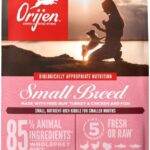 OrijenOrijen Small Breed Grain-Free Dry Dog Food
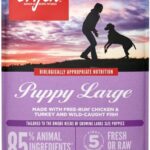 OrijenOrijen Puppy Large Grain-Free Dry Dog Food
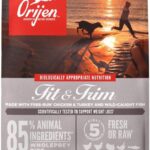 OrijenOrijen Fit & Trim Grain-Free Dry Dog Food
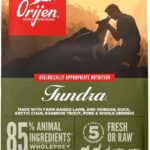 OrijenOrijen Tundra Dry Dog Food
Sources
What we read
Checked October 1, 2026.
- 1 Nutrient and Phytochemical Composition of Nine African Leafy Vegetables: A Comparative Study
- 2 Evaluation of the effect of dietary vegetable consumption on reducing risk of transitional cell carcinoma of the urinary bladder in Scottish Terriers
- 3 Assessing non-protein nitrogen sources in commercial dry dog foods
- 4 What’s in the Ingredients List?
- 5 How dry pet food is made
- 6 “Complete and Balanced” Pet Food
- 7 Treatment recommendations
- 8 Pet Food Production and Ingredient Analysis
- 9 Collard Greens in Dog Food