Can Dogs Eat Salt And Salt Dough? Why Play Dough And Salt Ornaments Are A Never Food
No. A little salt in dog food is fine, but large amounts cause sodium poisoning, and homemade play dough and salt dough ornaments are a real cause.
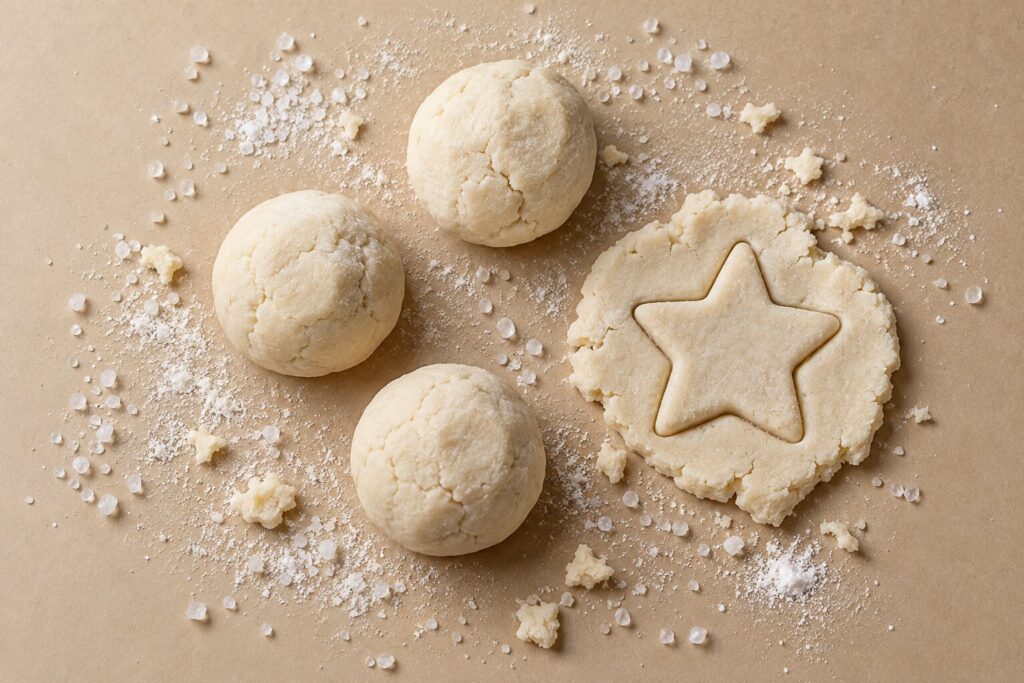
No. The small amount of salt in dog food is fine, but large amounts cause sodium poisoning, and homemade play dough and salt dough ornaments are among the most common ways dogs get it. Salt dough is mostly flour and salt, it smells and tastes good to a dog, and a ball of play dough or a few ornaments can be enough to poison a small dog.
If Your Dog Has Just Eaten Salt Dough Or Play Dough
Call your vet now, or one of the US animal poison lines (both charge a consultation fee):

- ASPCA Animal Poison Control: (888) 426-4435
- Pet Poison Helpline: (855) 764-7661
Have the recipe or packaging handy, plus a rough idea of how much is missing and your dog’s weight. That lets them work out the dose.
Do not make your dog vomit unless a vet tells you to. And never use salt to do it: salt water as a home emetic is itself a known cause of salt poisoning in dogs. Leave fresh water out, but do not force it, and do not wait for symptoms before calling.
Why Salt Dough Is Dangerous For Dogs
When a dog takes in far more sodium than its body can handle, the sodium level in the blood climbs. Water is pulled out of cells to balance it, and brain cells are the ones that suffer most. That is why salt poisoning shows up as wobbliness, tremors and seizures, not just an upset stomach.
Homemade play dough often adds a second problem: cream of tartar (potassium bitartrate, a form of tartaric acid). Poison centers have linked it to kidney injury in dogs, and tartaric acid is the compound now suspected in grape and raisin poisoning.
How Much Salt Is Dangerous?
Veterinary toxicology references put the risk at about 2 to 3 grams of salt per kilogram of body weight, with around 4 grams per kilogram potentially fatal. A teaspoon of table salt weighs about 6 grams, so for a 10 lb dog, about 1.5 to 2 teaspoons of salt is already in the danger zone.
Salt dough recipes commonly use a cup of salt to two cups of flour, so the salt adds up fast. Small dogs, dogs that cannot get to water, and dogs with heart or kidney disease can get sick on less. Let the vet or poison line run the numbers rather than guessing.
Salt And Salty Foods, Ranked
| Salt source | Verdict | Why |
|---|---|---|
| Salt in complete dog food | Fine | Sodium is an essential nutrient, and the amounts are small |
| A lick of salted human food | Low risk | Not enough salt to matter in a healthy dog with water |
| Chips, pretzels, salted popcorn | Avoid | A few pieces will not poison a dog, but they add salt and fat for no benefit |
| Ham, bacon, jerky and deli meat | Avoid | Very salty and fatty, with a pancreatitis risk on top |
| Ocean water | Avoid | Dogs that gulp it while playing at the beach can get sick |
| Ice melt and rock salt | Never | Concentrated salts, often licked off paws in winter |
| Homemade play dough | Never | Heavy in salt, often with cream of tartar too |
| Salt dough ornaments | Never | Mostly salt and flour, baked hard, and tempting to chew |
| Table salt used to induce vomiting | Never | A well documented cause of salt poisoning |
Signs Of Salt Poisoning
- Within a few hours: vomiting, often the first sign, then diarrhea, heavy thirst, drooling and loss of appetite.
- As sodium rises: lethargy, weakness, a drunken walk, muscle tremors, confusion and fluid buildup.
- Severe cases: seizures, collapse and coma.
What The Vet Will Do
If your dog ate the dough recently, the vet may make it vomit. Activated charcoal is not much use for salt. Blood tests check the sodium level, and the core treatment is IV fluids given in the hospital to bring sodium down slowly, usually over a day or more. Lowering it too fast can make the brain swell, which is the main reason this is not something to treat at home. Dogs treated early usually recover well. Dogs that are already seizing face a harder course.
Can Dogs Eat Sweet And Salty Popcorn?
A piece or two of kettle corn or sweet and salty popcorn will not cause salt poisoning in a healthy dog. It is still a poor treat: sugar, salt, oil and hard unpopped kernels that can crack teeth or get stuck. Check what else is in the mix, because Halloween popcorn blends often come with chocolate drizzle or candy pieces, and chocolate is a real problem. Plain, air popped popcorn is the only version worth sharing, and our popcorn guide covers how much.
If your dog ate a whole bag of salty snacks, watch for vomiting, heavy thirst and wobbliness, and call your vet if they appear. For mild tummy trouble afterward, see our guide to easing an upset stomach.
Where Dogs Find It
- Play dough made at home for kids, or a tub left open on the floor
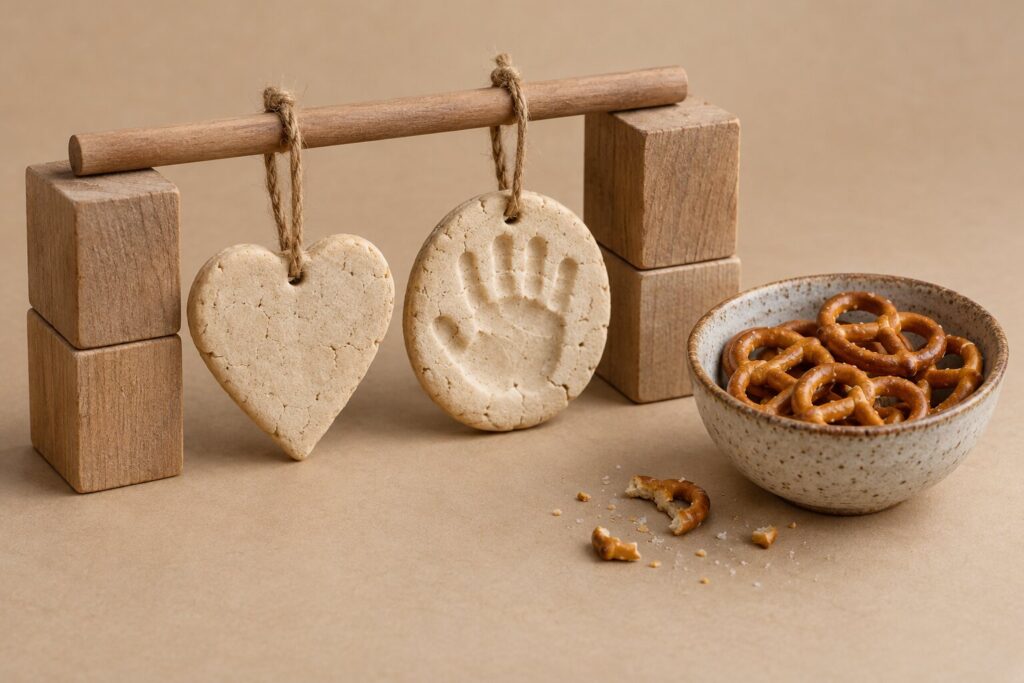
- Salt dough crafts: fall decorations, handprint keepsakes and holiday ornaments, which get made right about now and hang low on the tree
- Bowls of Halloween party snacks, pretzels and chips
- Rock salt and ice melt on sidewalks, once winter arrives
- Salty holiday meats like ham
- Bread dough left to rise, a different danger covered in our raw dough guide
Store craft dough sealed and up high, and hang salt dough ornaments well out of reach, or skip them in a house with a dog.
Which Dogs Should Skip It
No dog should eat salt dough or play dough. Keep salty human food away entirely from:
- Dogs with heart disease, kidney disease or liver disease, which often need a lower sodium diet
- Small dogs and puppies, where a small amount is a big dose
- Dogs with high blood pressure or a history of seizures
- Any dog without constant access to fresh water
Salt In Dog Food
Salt is a normal ingredient in commercial dog food. Sodium is an essential nutrient, and AAFCO sets a minimum level for complete foods, so seeing salt on a label is not a red flag. Dogs with heart or kidney disease may need a lower sodium food, and that is a conversation for your vet.
Salt dough is a different story. Of the 3,207 published US dog foods in our catalog, 0 list salt dough or play dough, which is as it should be. Browse our dog food reviews to see what is actually in your dog’s bowl, test yourself with the Safe or Never food quiz, and for any other food, check the food checker.
In The Kibble reads labels and publishes what the numbers say. Guides are general information, not veterinary advice. Your vet knows your dog's history and we do not, so take anything here to them before you change how you feed.
Found this useful?
Comments
No comments yet. Tried this with your dog? Tell other readers how it went.