
Ingredient file // Legume
Yellow Peas
Useful starch and protein, with a heart question
Yellow peas are mature field peas harvested dry. In kibble, they supply starch for energy and plant protein that counts toward the label's protein figure. A possible link between pea-heavy diets and canine heart disease remains unresolved.
- What it is
- Mature yellow field pea seeds, dried and used whole, split or ground in dog food.
- Made from
- Mature yellow field pea seeds
- Main job
- Starch and plant protein
- Typical amount
- Not published
- Watch for
- Several pea ingredients high on the list
- Not the same as
- Pea protein concentrate
Straight answer
Is Yellow Peas safe for dogs?
Count every pea entry before judging the food
Find yellow peas on the ingredient list, then look for pea protein, pea starch and other pulses nearby. One pea entry behind substantial animal ingredients is ordinary. Several near the front mean plants carry more of the recipe and some of its protein. For a dog with DCM, review that pattern with its veterinarian.
- Why it is in the food
- Starch and plant protein
- Watch for
- Dogs with diagnosed DCM
- How common
- Listed by 24 of the 3,204 foods we track
Our read // In our catalog
In 1 of every 134 foods we track
Share of foods that list it
<1%
24 of the 3,204 foods with an ingredient list on file, from 5 brands. All dry dog food.
Each square is 1% of the catalog
Where it sits on the label
Median position 4. In the top five of 17 foods, so it is usually a main ingredient.
Above the salt
Almost always listed before the salt, so there is more of it than a pinch.
Price per lb
Median of the cheapest bag price across 19 priced foods, 8% below the catalog. The price is the food's, not the ingredient's.
Who leans on it
58%
of the foods that list it are from Hill's. 5 brands use it in total.
What it is
How it is made
Yellow field peas are grown for their mature dry seeds. Mills may remove the hull, split the seed or grind it before the peas enter a kibble recipe.6,10
- 01 // Source Mature yellow peas Field peas ripen before harvest, unlike the immature green peas sold as vegetables.
- 02 // Process Dehulled or split A mill may remove the seed coat and separate the seed into its halves.
- 03 // Process Ground if needed Grinding breaks seed cells so starch and protein are more accessible during cooking and digestion.
- 04 // Output Dry yellow peas Whole, split or ground dry peas arrive for weighing into the kibble recipe.
What is in it
Composition, dry matter
51
% starch
About half of a dry field pea is starch. Yellow peas chiefly supply cooking starch while contributing some protein.
Why it is in the bag
What the manufacturer gets
-
01
Supplies cooking starch
Pea starch cooks during extrusion and helps form kibble. In a controlled dog trial, pea diets supplied digestible starch, though their complete diets digested less well than rice diets.1,6
-
02
Raises plant protein
Peas add protein to the finished food's crude protein figure. That figure does not reveal how much came from animal ingredients or whether the amino acid mix is balanced.5,6,8
-
03
Provides inexpensive protein
Plant proteins offer manufacturers a lower cost alternative to animal protein. Dry peas also supply starch, letting one crop fill 2 recipe jobs in grain-free kibble.5,6
How much A controlled trial fed up to 45% mixed whole pulses, including yellow peas, but did not isolate a usual yellow pea amount.9
Our read // The claims
What the evidence supports
Strong: controlled studies in dogs agree. Some: small or mixed dog data. Thin: mechanism or lab work only. None: nothing, or the evidence points the other way.
-
Critics say
Yellow peas raise protein without adding meat
Evidence
- Strong
- Some
- Thin
- None
Dry field peas average about 24% crude protein. The food's protein guarantee includes every ingredient. A rooster assay identified methionine as yellow peas' limiting amino acid, so the protein figure alone cannot tell you whether the diet is balanced.5,6,8
-
Brands say
Yellow peas provide slow release energy
Outruns the evidence
Evidence
- Strong
- Some
- Thin
- None
In a trial of 36 dogs, pea diets produced a later glucose and insulin response than rice or corn diets. That measured response does not show a health benefit for a healthy dog, and the study did not isolate yellow peas.1
-
Owners say
Peas cause heart disease in dogs
Outruns the evidence
Evidence
- Strong
- Some
- Thin
- None
A crossover of 8 dogs lasting 28 days found subtle heart changes with a diet containing 58% wrinkled pea flour. A separate trial of 65 dogs lasting 210 days found no cardiac dysfunction. Neither identifies ordinary yellow peas as a cause.2,3,4,7
-
Critics say
Yellow peas are just filler
Outruns the evidence
Evidence
- Strong
- Some
- Thin
- None
Dry field peas average about 51% starch and 24% protein. Those nutrients supply energy and contribute to the food's protein figure. Calling peas filler misses their job; how much of the recipe relies on them is the useful concern.6,8
Straight answers
What owners ask
-
Q01
Is it just filler?
NoYellow peas bring starch for energy and protein that counts in the food's analysis. They serve a clear recipe purpose. Check whether peas support the recipe or appear repeatedly near the front of the list.6,8
-
Q02
Are yellow peas different from green?
Not muchThey are color types of dried field peas. Their nutrient content is broadly similar, while variety, growing conditions and hull thickness make a bigger difference. Yellow color alone is not a nutrition advantage.6,10
-
Q03
Do several pea entries matter?
YesPeas, pea protein and pea starch appear as separate ingredients ranked by weight. Together they can account for more of a recipe than any single line suggests. The list does not show their combined amount.6,8
-
Q04
Should I avoid them for DCM?
Not automaticallyA yellow pea entry alone does not show a heart risk. The evidence concerns complete diets, often heavy in pulses, and the cause remains uncertain. If your dog has diagnosed DCM, review its complete diet with the treating veterinarian.2,3,4,7
Who uses it
Brands, best sellers and the company it keeps
Top brands, by foods that list it
Foods that list it / all the brand's recipes we track.
Amazon best sellers that list it
- #6 Hill’s Science Diet Adult Sensitive Stomach & Skin Chicken Recipe Dry Dog Food
- #24 Hill’s Science Diet Adult Sensitive Stomach & Skin Small & Mini Chicken Recipe Dry Dog Food
Rank on Amazon's dog food best seller list, checked October 2026.
Usually listed with, share of the foods that list it
- Chicken 71%
- Chicken Meal 67%
- Chicken Fat 67%
- Cracked Pearled Barley 54%
- Brown Rice 54%
- Egg Product 50%
- Brewers Rice 46%
- Mixed Tocopherols 29%
- Whole Grain Oats 29%
- Natural Flavor 25%
- Dried Beet Pulp 25%
- Whole Grain Sorghum 21%
On the shelf
Foods that list Yellow Peas
24 foods in our catalog list it, highest on the label first.
 Hill'sHill’s Science Diet Adult Sensitive Stomach & Skin Grain-Free Chicken & Potato Recipe Dry Dog Food
 Hill'sHill’s Science Diet Adult Sensitive Stomach & Skin Chicken Recipe Dry Dog Food
 NuloNulo MedalSeries Limited Ingredient Diet Salmon Recipe Grain-Free Dry Dog Food
 By NatureBy Nature Salmon & Menhaden Fish Meal Recipe Dry Dog Food
 By NatureBy Nature Lamb & Turkey Meal Recipe Dry Dog Food
 Simply NourishSimply Nourish Source Adult - Salmon, High-Protein, Grain Free Dry Dog Food
 CanidaeCanidae Under the Sun Grain-Free Recipe Large Breed Real Chicken Dry Dog Food
 CanidaeCanidae Under the Sun Grain-Free Chicken Recipe Dry Dog Food
 NuloNulo MedalSeries Limited+ MedalSeries Limited Ingredient Diet Chicken Recipe Grain-Free Dry Dog Food
 Hill'sHill’s Healthy Advantage Puppy Large Breed Chicken & Brown Rice Recipe Dry Dog Food
 Hill'sHill’s Bioactive Recipe Adult 7+ Small Breed Thrive + Vigor Dry Dog Food
 Hill'sHill’s Bioactive Recipe Adult 7+ Thrive + Vigor Dry Dog Food
Show 12 more
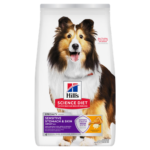 Hill'sHill’s Science Diet Adult Sensitive Stomach & Skin Chicken & Barley Recipe Dry Dog Food
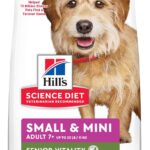 Hill'sHill’s Science Diet Adult 7+ Senior Vitality Small & Mini Chicken & Rice Recipe Dry Dog Food
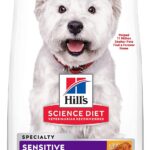 Hill'sHill’s Science Diet Adult Sensitive Stomach & Skin Small Bites Chicken Recipe Dry Dog Food
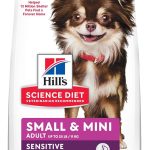 Hill'sHill’s Science Diet Adult Sensitive Stomach & Skin Small & Mini Chicken Recipe Dry Dog Food
 Hill'sHill’s Science Diet Adult Sensitive Stomach & Skin Large Breed Chicken Recipe Dry Dog Food
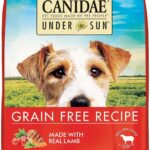 CanidaeCanidae Under The Sun Grain-Free Lamb Recipe Dry Dog Food
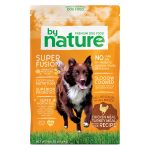 By NatureBy Nature Chicken Meal & Turkey Meal with Brown Rice Recipe Dry Dog Food
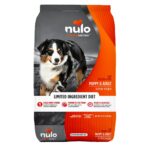 NuloNulo MedalSeries Limited+ MedalSeries Limited Ingredient Diet Turkey Recipe Grain-Free Dry Dog Food
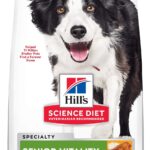 Hill'sHill’s Science Diet Adult 7+ Senior Vitality Chicken & Rice Recipe Dry Dog Food
 Hill'sHill’s Science Diet Adult 6+ Large Breed Chicken & Brown Rice Recipe No Corn, Wheat, Soy Dry Dog Food
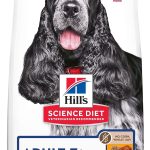 Hill'sHill’s Science Diet Adult 7+ Chicken & Brown Rice Recipe No Corn, Wheat, Soy Dry Dog Food
 Hill'sHill’s Bioactive Recipe Adult 6+ Large Breed Thrive + Vigor Dry Dog Food
Leaving it out
Foods without peas
For owners who skip peas: popular dry foods priced like the ones that list it ($2.10 to $4.20 per lb), with no peas on the label.
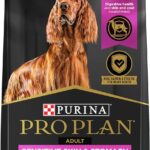 PurinaPurina Pro Plan Adult Sensitive Skin & Stomach Salmon & Rice Formula Dry Dog Food
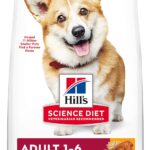 Hill'sHill’s Science Diet Adult 1-6 Small Bites Chicken & Barley Recipe Dry Dog Food
 PurinaPurina Pro Plan Adult Small Breed Shredded Blend Chicken & Rice Formula Dry Dog Food
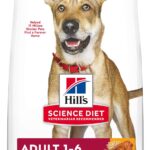 Hill'sHill’s Science Diet Adult 1-6 Chicken & Barley Recipe Dry Dog Food
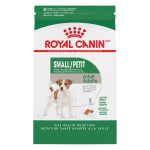 Royal CaninRoyal Canin Small Adult Dry Dog Food
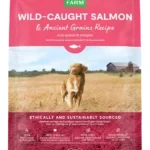 Open FarmOpen Farm Wild Caught Salmon with Ancient Grains Dry Dog Food
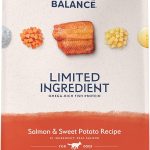 Natural BalanceNatural Balance L.I.D. Limited Ingredient Diets Grain-Free Salmon & Sweet Potato Dry Dog Food
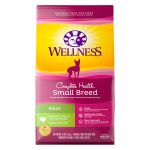 WellnessWellness Complete Health Small Breed Turkey & Oatmeal Dry Dog Food
Checked against the ingredient list we store for each food. Labels change, so read the bag before you buy.
Sources
What we read
Checked October 1, 2026.
- 1 Effects of six carbohydrate sources on dog diet digestibility and post-prandial glucose and insulin response
- 2 Effects of a 28-day feeding trial of grain-containing versus pulse-based diets on cardiac function, taurine levels and digestibility in domestic dogs
- 3 Correction: Effects of a 28-day feeding trial of grain-containing versus pulse-based diets on cardiac function, taurine levels and digestibility in domestic dogs
- 4 Prospective evaluation of echocardiographic parameters and cardiac biomarkers in healthy dogs eating four custom-formulated diets
- 5 Macronutrient composition, true metabolizable energy and amino acid digestibility, and indispensable amino acid scoring of pulse ingredients for use in canine and feline diets
- 6 Pea seeds
- 7 FDA Investigation into Potential Link between Certain Diets and Canine Dilated Cardiomyopathy
- 8 Reading Labels
- 9 ‘Peas of Mind’: Pulse Ingredients in Dog Food Not Linked to Heart Problems, Says New U of G Research
- 10 FIELD PEAS IN POULTRY DIETS