
Ingredient file // Fat or oil
Chicken Fat
Useful calories and linoleic acid, little protein
Chicken fat is fat separated from chicken tissue during rendering. It adds concentrated energy and essential linoleic acid to kibble, and manufacturers also use it as a coating. It is a fat source, not a source of chicken protein.
Role in the food Main nutrition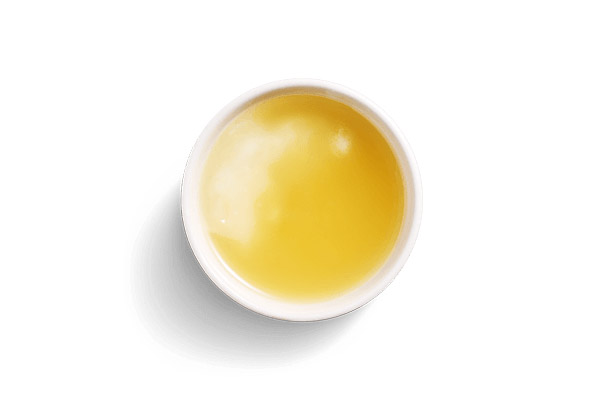
- What it is
- Fat melted and separated from chicken tissue during rendering for use in dog food.
- Made from
- Chicken skin and fatty tissue
- Main job
- Energy and kibble coating
- Typical amount
- One dog trial used a 5% coating
- Watch for
- Prescribed low fat diets and stale food
- Not the same as
- Chicken meal
Straight answer
Is Chicken Fat safe for dogs?
Check the food's fat, then its sources
Chicken fat on a bag identifies an energy source, not the finished food's fat level. Check the guaranteed fat figure and calories, then look for other added oils. If your dog needs a low fat diet, judge the complete food rather than chicken fat's place in the ingredient list.
- Why it is in the food
- Energy and kibble coating
Our read // In our catalog
In 1 of every 3 foods we track
Share of foods that list it
34%
1,085 of the 3,204 foods with an ingredient list on file, from 75 brands. 1,055 dry dog food, 17 wet dog food, 10 dog food topper.
Each square is 1% of the catalog
Where it sits on the label
Median position 7. In the top five of 293 foods, so it is usually a supporting ingredient.
Above the salt
Almost always listed before the salt, so there is more of it than a pinch.
Price per lb
Median of the cheapest bag price across 867 priced foods, 6% below the catalog. The price is the food's, not the ingredient's.
Who leans on it
11%
of the foods that list it are from Royal Canin. 75 brands use it in total.
The story
How rendered fat moved from soap to dog food
Rendered animal fat once went mostly into soap. After World War II, synthetic detergents took over home and industrial washing, and in the early 1950s more than half of the market for inedible fat disappeared. Renderers sent the material into animal feed instead, and feed soon replaced the lost soap trade. That shift built the route that still carries fat recovered from chicken processing to feed mills and pet food plants.10,17
The industry works at a large scale. A 2004 Congressional Research Service report counted 47 billion pounds or more of raw animal material converted each year into about 18 billion pounds of products, including tallow, lard and protein meals. For a dog food maker, poultry fat from that stream is a steady, affordable energy source, which is one reason it shows up on so many bags.1,18
Fat brings one built-in problem: it oxidizes. Feed makers long relied on ethoxyquin, an antioxidant valued for strong protection at low cost. FDA received its first reports of suspected harm in dogs in 1988. It then asked makers to voluntarily lower the ethoxyquin ceiling in complete dog foods from 150 ppm to 75 ppm, while the Pet Food Institute tested whether 30 to 60 ppm would still protect the food. FDA's legal limit for animal food is still 150 ppm.15,16
What it is
How it is made
Chicken processing leaves skin and fatty tissue after meat is removed. Renderers heat that material to release its fat, then separate the fat from water and protein solids. Pet food makers use the recovered fat in recipes and coatings.1,4,10,11
- 01 // Source Chicken fatty tissue Skin and abdominal fatty tissue from chicken processing provide material for rendering.
- 02 // Process Heated Heating releases fat from the tissue and separates it from protein solids.
- 03 // Process Fat separated Rendering equipment separates the released fat from solids and water.
- 04 // Output Chicken fat The recovered fat goes to pet food plants, where it may coat dried kibble.
What is in it
Composition, dry matter
191
g/kg linoleic
The poultry fat reference average for linoleic acid, an essential fatty acid. The amount in a finished food depends on its full recipe.
Why it is in the bag
A real energy and linoleic acid source
- Main nutrition
- Supporting nutrient
- Does a job
- Mostly filler
Chicken fat is an energy source the food leans on. Poultry fat runs about 9380 kcal/kg, and in one dog trial a coating of 5% chicken fat plus 3% chicken flavor raised calculated energy from 3499 to 3755 kcal/kg dry matter. Makers choose it for affordability, linoleic acid and taste appeal. It often sits below meats and grains because labels rank by weight, yet fat carries over twice the calories per gram of protein or starch.1,5,7
-
01
Adds concentrated energy
Rendered fat adds energy without the water in fresh tissue. In a dog trial, kibble coated with chicken fat had more calculated energy than the uncoated food.1,5
-
02
Supplies linoleic acid
Chicken fat contains linoleic acid, which dogs need from food. Its contribution depends on how much fat the recipe uses and what other fats it contains.4,5
-
03
Coats finished kibble
Manufacturers spray heated fat onto dried kibble. Coating puts fat on the surface, where it affects smell and taste, though dogs do not always prefer poultry fat.1,2
-
04
Uses recovered poultry fat
Rendering turns fatty poultry tissue into a saleable feed ingredient. Authors of a chicken fat coating study also identify affordability as a reason manufacturers use it.1,10
How much One dog trial sprayed chicken fat onto finished kibble at 5% of its weight, alongside a separate flavor coating.1
Our read // The claims
What the evidence supports
Strong: controlled studies in dogs agree. Some: small or mixed dog data. Thin: mechanism or lab work only. None: nothing, or the evidence points the other way.
-
Brands say
Chicken fat adds concentrated, digestible calories
Evidence
- Strong
- Some
- Thin
- None
In a 36-dog trial funded by the poultry industry, kibble with a 5% chicken fat and flavor coating had 3755 versus 3499 kcal/kg dry in the uncoated food. The comparison does not isolate the fat from the flavor coating.1,5
-
Brands say
Chicken fat makes kibble more appealing
Evidence
- Strong
- Some
- Thin
- None
A 30-dog preference test favored sunflower oil over poultry fat. Another trial found uncoated kibble less accepted, but added flavor alongside chicken fat. Coating affects appeal; chicken fat has no proven special edge.1,2
-
Brands say
Chicken fat gives dogs a glossy coat
Outruns the evidence
Evidence
- Strong
- Some
- Thin
- None
After 9 weeks, dogs given both added zinc and linoleic acid had glossier coats than controls. The trial did not isolate linoleic acid or test chicken fat, so a coat promise from this ingredient goes too far.3,4
-
Owners say
Chicken fat is safe for chicken allergic dogs
Outruns the evidence
Evidence
- Strong
- Some
- Thin
- None
A poultry fat reference rounds protein to 0%, and protein is the usual food allergen. That does not prove every chicken fat ingredient or ordinary kibble is free of stray protein. No cited trial challenged chicken allergic dogs with chicken fat.5,8
The research
Studies worth knowing
Published research we read for this page, dog studies first.
-
2019 // Feeding trials, 2 fats
Dogs absorb poultry fat as fully as corn oil14
Adult dogs: 8 in one trial, 9 in another. The fat tested was poultry offal fat, a close cousin of chicken fat.
Found. Dogs digested 97.94% of the fat in a poultry offal fat diet and 98.62% in a corn oil diet, a difference that was not significant. Energy content and stools did not change as corn oil replaced poultry fat.
What it means. Poultry fat is nearly fully absorbed, but a plant oil does the same energy job. Neither fat is a better fuel.
-
2025 // Feeding trial, 3 foods
Poultry fat beat insect fat on digestion and taste12
18 adult Golden Retrievers, 6 per food, plus 20 dogs in a taste test. University funded.
Found. Over 30 days, replacing all 6% poultry fat with insect larvae fat lowered fat digestibility. In a two bowl test, dogs preferred the poultry fat food. Blood values and stool scores did not differ.
What it means. In this one small trial, a full swap to black soldier fly larvae fat cost some fat digestion and appeal compared with poultry fat.
-
2025 // Feeding trial, 6 foods
A plain chicken fat coating barely changed fat digestion1
36 Labrador retrievers, 6 per food. Funded by a poultry industry council.
Found. Kibble coated with plain chicken fat had 91% fat digestibility against 90% for uncoated kibble. Only a coating with 20% added oleic acid reached a clearly higher 97%.
What it means. A chicken fat coating adds calories without harming fat digestion, but it does not make the rest of the food better digested.
-
2018 // Feeding trial, 2 diets
More linoleic acid changed skin fats, not skin water loss13
10 healthy dogs in two groups of 5. Funded by Waltham and Royal Canin.
Found. Over three months, dogs fed more linoleic acid showed high increases in linoleic acid and free ceramides in the outer skin layer, while water loss through the skin was nearly unaffected.
What it means. Dietary linoleic acid does reach the skin, but extra amounts in healthy dogs did not measurably improve the skin barrier.
Straight answers
What owners ask
-
Q01
Is it just filler?
NoIt supplies energy and linoleic acid, both real jobs in a dog food. It adds little protein, but a fat ingredient does not need to provide protein to earn its place.1,5
-
Q02
Is it chicken protein?
NoIt is separated fat, and the poultry fat reference rounds its protein content to 0%. That figure is not an allergy guarantee: ordinary foods can contain stray proteins, so use a controlled elimination diet for diagnosis.5,8
-
Q03
Is it like fish oil?
Different fatsChicken fat mainly contributes fatty acids such as oleic and linoleic acid. The poultry fat reference lists no EPA or DHA, the long chain omega-3 fats owners usually seek from fish oil.5
Who uses it
Brands, best sellers and the company it keeps
Top brands, by foods that list it
Foods that list it / all the brand's recipes we track.
Plus 65 more brands.
Amazon best sellers that list it
- #1 Blue Life Protection Formula Adult Chicken and Brown Rice Recipe Dry Dog Food
- #5 Blue Life Protection Formula Adult Small Breed Chicken and Brown Rice Recipe Dry Dog Food
- #6 Hill’s Science Diet Adult Sensitive Stomach & Skin Chicken Recipe Dry Dog Food
- #10 Iams Proactive Health MiniChunks Chicken & Whole Grains Dry Dog Food
- #13 Hill’s Science Diet Adult 1-6 Small Bites Chicken & Barley Recipe Dry Dog Food
- #17 Taste of the Wild High Prairie Canine Recipe with Roasted Bison & Roasted Venison Grain-Free Dry Dog Food
- #21 Hill’s Science Diet Adult 1-6 Chicken & Barley Recipe Dry Dog Food
- #24 Hill’s Science Diet Adult Sensitive Stomach & Skin Small & Mini Chicken Recipe Dry Dog Food
Rank on Amazon's dog food best seller list, checked October 2026.
Usually listed with, share of the foods that list it
- Chicken Meal 60%
- Mixed Tocopherols 54%
- Chicken 46%
- Natural Flavor 44%
- Brown Rice 35%
- Peas 32%
- Dried Plain Beet Pulp 31%
- Flaxseed 30%
- Brewers Rice 22%
- Oatmeal 21%
- Turkey Meal 20%
- Barley 20%
On the shelf
Foods that list Chicken Fat
1,085 foods in our catalog list it. These 60 list it highest on the label.
 Royal CaninRoyal Canin Great Dane Adult Dry Dog Food
 WeruvaWeruva Dogs in the Kitchen Dog Paw Lickin Grain-Free Freeze-Dried Dog Food
 Diamond CareDiamond>Care Diamond Care Rx Renal Formula Dry Dog Food
 VerusVerus VēRUS Canine Active Advantage Formula Dry Dog Food
 Royal CaninRoyal Canin Veterinary Early Cardiac Dry Dog Food
 Royal CaninRoyal Canin Veterinary Renal Support A Dry Dog Food
 Hill'sHill’s Prescription Diet k/d + Mobility Kidney + Joint Care Chicken Flavor Dry Dog Food
 Royal CaninRoyal Canin Rottweiler Adult Dry Dog Food
 Blue SealBlue Seal Native Level 4 Chicken Meal & Rice Formula Dry Dog Food
 DiamondDiamond Care RX Renal Formula for Adult Dogs Dry Dog Food
 INABAInaba Churu Sprinkles Chicken and Cheese Recipe Grain-Free Dog Food Topper
 INABAInaba Churu Sprinkles Chicken and Beef Recipe Grain-Free Dog Food Topper
Show 48 more
 Royal CaninRoyal Canin Veterinary Multifunction Renal Support + Hydrolyzed Protein Dry Dog Food
 Royal CaninRoyal Canin X-Small Adult 8+ Dry Dog Food
 Royal CaninRoyal Canin Medium Puppy Dry Dog Food
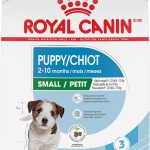 Royal CaninRoyal Canin Small Puppy Dry Dog Food
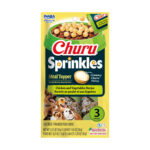 INABAInaba Churu Sprinkles Chicken and Vegetables Recipe Grain-Free Dog Food Topper
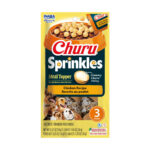 INABAInaba Churu Sprinkles Chicken Recipe Grain-Free Dog Food Topper
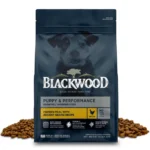 BlackwoodBlackwood Puppy & Performance Growing / Working Dogs Chicken Meal with Ancient Grains Recipe Dry Dog Food
 AnnamaetAnnamaet Best Small Breed Dry Dog Food
 AnnamaetAnnamaet Ultra High Protein Dry Dog Food
 Dr. Tim'sDr. Tim’s Glacier Athletic Blend Dry Dog Food
 Dr. Tim'sDr. Tim’s Momentum Highly Active Dry Dog Food
 Dr. Tim'sDr. Tim’s Pursuit Active Dry Dog Food
 VictorVictor Realtree Edge Energy Dry Dog Food
 VictorVictor Realtree Max-5 Pro Dry Dog Food
 VictorVictor Purpose Bully Fuel, beef and chicken recipe, boasts a 34/22 Dry Dog Food
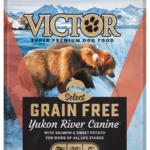 VictorVictor Select Grain Free Yukon River Canine Dry Dog Food
 VictorVictor Classic Multi-Pro Dry Dog Food
 VictorVictor Classic Hi-Pro Plus Dry Dog Food
 FarminaFarmina Vet Life Convalescence Canine Dry Dog Food
 FarminaFarmina Vet Life Struvite Canine Dry Dog Food
 CanidaeCanidae All Life Stages High Protein, Multi-Protein Recipe Dry Dog Food
 NutriSourceNutriSource Choice Performance Chicken Dry Dog Food
 Royal CaninRoyal Canin Veterinary Urinary SO Dry Dog Food
 Royal CaninRoyal Canin Veterinary Renal Support F Dry Dog Food
 Royal CaninRoyal Canin Veterinary Urinary SO Small Dog Dry Dog Food
 Royal CaninRoyal Canin Veterinary Hydrolyzed Protein Moderate Calorie Dry Dog Food
 Royal CaninRoyal Canin Veterinary Urinary SO Aging 7+ Dry Dog Food
 Royal CaninRoyal Canin Veterinary Gastrointestinal Puppy Dry Dog Food
 Royal CaninRoyal Canin Veterinary Hydrolyzed Protein HP Dry Dog Food
 Royal CaninRoyal Canin Veterinary Renal Support S Dry Dog Food
 Royal CaninRoyal Canin Veterinary Gastrointestinal High Fiber Dry Dog Food
 Royal CaninRoyal Canin Veterinary Hydrolyzed Protein Small Dog Dry Dog Food
 Royal CaninRoyal Canin Veterinary Urinary SO + Hydrolyzed Protein Dry Dog Food
 Royal CaninRoyal Canin Yorkshire Terrier Puppy Dry Dog Food
 Royal CaninRoyal Canin Golden Retriever Puppy Dry Dog Food
 Royal CaninRoyal Canin Small Digestive Care Dry Dog Food
 Royal CaninRoyal Canin Small Sensitive Skin Care Dry Dog Food
 Royal CaninRoyal Canin Chihuahua Puppy Dry Dog Food
 Royal CaninRoyal Canin Small Starter Mother And Babydog Dry Dog Food
 Royal CaninRoyal Canin Boxer Adult Dry Dog Food
 Royal CaninRoyal Canin Medium Sensitive Skin Care Dry Dog Food
 Royal CaninRoyal Canin Giant Adult Dry Dog Food
 Royal CaninRoyal Canin Setter Adult Dry Dog Food
 Nature's LogicNature’s Logic Grain-Free Canine Chicken Meal Feast Dry Dog Food
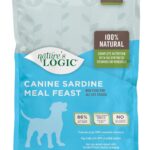 Nature's LogicNature’s Logic Canine Sardine Meal Feast Dry Dog Food
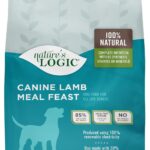 Nature's LogicNature’s Logic Canine Lamb Meal Feast Dry Dog Food
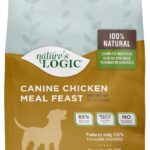 Nature's LogicNature’s Logic Canine Chicken Meal Feast Dry Dog Food
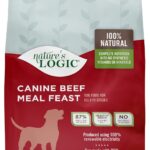 Nature's LogicNature’s Logic Canine Beef Meal Feast Dry Dog Food
Leaving it out
Foods without chicken
For owners who skip chicken: popular dry foods priced like the ones that list it ($2.13 to $4.26 per lb), with no chicken on the label.
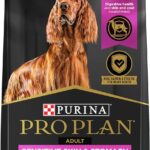 PurinaPurina Pro Plan Adult Sensitive Skin & Stomach Salmon & Rice Formula Dry Dog Food
 PurinaPurina Pro Plan Adult Sensitive Skin & Stomach Small Breed Formula Dry Dog Food
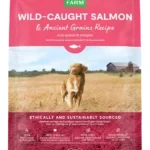 Open FarmOpen Farm Wild Caught Salmon with Ancient Grains Dry Dog Food
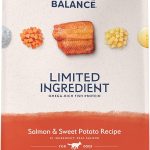 Natural BalanceNatural Balance L.I.D. Limited Ingredient Diets Grain-Free Salmon & Sweet Potato Dry Dog Food
 FrommFromm Four-Star Beef Frittata Veg® Recipe Grain-Free Dry Dog Food
 ZignatureZignature Original Lamb Formula with Probiotics Grain-Free Dry Dog Food
 Natural BalanceNatural Balance L.I.D. Limited Ingredient Diets Lamb & Brown Rice Dry Dog Food
 Pure BalancePure Balance Wild & Free Grain-Free Salmon & Pea Recipe Dry Dog Food
Checked against the ingredient list we store for each food. Labels change, so read the bag before you buy.
Sources
What we read
Checked September 1, 2026.
- 1 Effects of coating kibble with chicken fat enriched with free fatty acids on digestibility and palatability in Labrador retrievers
- 2 Determination of fat preferences of adult dogs
- 3 Effects of zinc and linoleic acid supplementation on the skin and coat quality of dogs receiving a complete and balanced diet
- 4 Effects of microwave rendering on the yield and characteristics of chicken fat from broiler abdominal fat tissue
- 5 Poultry fat
- 6 Changes in the Fatty Acid Composition and Antioxidant Properties in Mono-Protein Commercial Dry Dog Foods During Storage
- 7 Reading Labels
- 8 Hydrolyzed Diets
- 9 Pancreatitis in Dogs and Cats
- 10 Rendered Ingredients Module
- 11 Wet rendering process
- 12 Substitution of Poultry Fat with Black Soldier Fly (Hermetia illucens) Larvae Fat in Dog Diets: Effects on Digestibility, Palatability, Peroxidation of Dry Food, Immunity, Blood Biochemistry, and Faecal Characteristics of Adult Dogs
- 13 Linoleate-enriched diet increases both linoleic acid esterified to omega hydroxy very long chain fatty acids and free ceramides of canine stratum corneum without effect on protein-bound ceramides and skin barrier function
- 14 Crude corn oil as dietary fat source for dogs
- 15 Ethoxyquin: An Antioxidant Used in Animal Feed
- 16 Labeling and Use of Ethoxyquin in Animal Feed
- 17 Rendering (animal products)
- 18 Animal Rendering: Economics and Policy (RS21771)