
Ingredient file // Animal protein
Alligator Meal
A real novel protein, not a better one
Alligator meal is alligator tissue rendered into a dry protein meal, much like chicken or lamb meal. Its value is that few dogs have eaten it, which suits food allergy trials. No test shows it leaner or richer than other meals.
Role in the food Main nutrition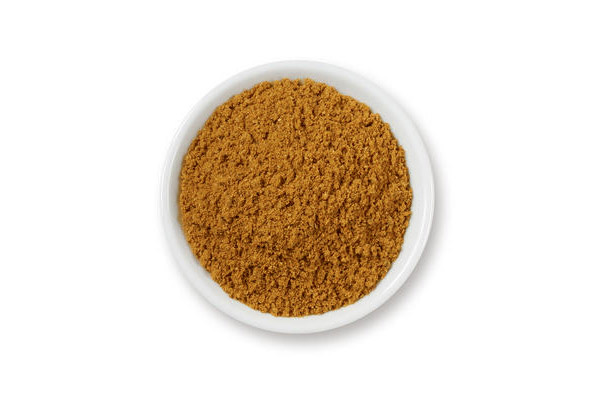
- What it is
- Alligator tissue cooked under heat and pressure, then dried and ground into a concentrated protein meal.
- Made from
- Alligator flesh and tissue, rendered
- Main job
- Novel animal protein
- Typical amount
- Not published
- Watch for
- Undeclared meats in over-the-counter novel protein foods
- Not the same as
- Fresh or deboned alligator
Straight answer
Is Alligator Meal safe for dogs?
Choose it for novelty, not for nutrition
On a bag it usually sits beside deboned alligator, with peas and starches around it. That is a single-protein recipe built for an elimination trial. If that is your goal, run it with your vet for at least 8 weeks and feed nothing else. For a healthy dog it adds nothing chicken meal lacks.
- Why it is in the food
- Novel animal protein
- How common
- Listed by 1 of the 3,204 foods we track
Our read // In our catalog
In 1 of every 3,204 foods we track
Share of foods that list it
<1%
1 of the 3,204 foods with an ingredient list on file, from 1 brand. All dry dog food.
Each square is 1% of the catalog
Where it sits on the label
Median position 4. In the top five of 1 food, so it is usually a main ingredient.
Above the salt
Almost always listed before the salt, so there is more of it than a pinch.
Price per lb
Median of the cheapest bag price across 1 priced foods, 75% above the catalog. The price is the food's, not the ingredient's.
Who leans on it
100%
of the foods that list it are from Blue. 1 brand use it in total.
What it is
How it is made
US farms in Louisiana, Florida, Georgia and Texas raise alligators for two markets, hides and meat. Rendering turns alligator tissue into a dry meal. No published source details which parts of the animal go in.1,2,4
- 01 // Source Farmed alligators Grown for 12 to 15 months to 36 to 48 inches on a high-protein feed, then harvested for hide and meat.
- 02 // Process Rendered Heat and pressure drive off most of the water and fat, leaving mostly protein and minerals.
- 03 // Process Ground The dried solids are ground into even particles, which is what makes the product a meal.
- 04 // Output Alligator meal A dry meal, one of five rendered meals tested together at about 59 to 66% protein on a dry basis.
What is in it
Composition, dry matter
59-66
% protein
Dry matter protein for five rendered meals, alligator among them, in a 2016 lab study. Reported as one range, so no single meal stands out.
Protein, ash and gross energy are pooled ranges for the five meals, with no alligator-only figure. The energy row is the intermediate band alligator shared with pork peptone; lamb meal fell lower, at 3.12 kcal/g.1
Why it is in the bag
A main protein, chosen for its novelty
- Main nutrition
- Supporting nutrient
- Does a job
- Mostly filler
Alligator meal is a rendered animal protein. In a lab study it sat with chicken, lamb, venison and duck meals at about 59 to 66% protein on a dry basis. Labels list ingredients by weight. In one veterinary alligator dry food it is listed fourth, after deboned alligator, peas and pea starch, with pea protein fifth, so it is likely one of several main protein sources. Makers pick it because few dogs have eaten alligator, not for better nutrition.1,2,14
-
01
A protein few dogs met
Elimination diets need a protein the dog has not eaten. Proven food allergens track common foods: beef in 34%, dairy in 17% and chicken in 15% of 297 dogs.9
-
02
Protein without the water
Fresh crocodilian meat is 73 to 77% water and about 21% protein as fed. Rendering heat and pressure remove most of the water and fat, leaving mostly protein and minerals.2,3
How much No source publishes how much alligator meal a recipe holds, and the only published test is a lab assay in roosters, not a dog feeding trial.1
Our read // The claims
What the evidence supports
Strong: controlled studies in dogs agree. Some: small or mixed dog data. Thin: mechanism or lab work only. None: nothing, or the evidence points the other way.
-
Brands say
Alligator is a novel protein for allergic dogs
Outruns the evidence
Evidence
- Strong
- Some
- Thin
- None
Elimination diets work: by 8 weeks, more than 90% of dogs with food allergy were in remission. No published trial has tested an alligator diet, and novel or limited foods carried unlisted ingredients in 33 to 83% of tests.10,12
-
Brands say
A very lean, protein-dense meat
Outruns the evidence
Evidence
- Strong
- Some
- Thin
- None
Trimmed crocodilian meat is lean, 1 to 1.5% fat as fed. Rendered, alligator meal was one of five meals, with chicken, lamb, venison and duck, reported together at 59 to 66% dry matter protein and 12 to 25% ash.1,3
-
Brands say
Alligator supplies omega-3 fatty acids
Outruns the evidence
Evidence
- Strong
- Some
- Thin
- None
No one has published the fatty acid profile of alligator meal. A 12-week study found alligator tissue fats track what the animal eats, and farms feed animal-protein pellets. Recipes making the claim also add fish oil and flax.5,6,14
-
Owners say
Exotic meat is safe for a chicken-allergic dog
Outruns the evidence
Evidence
- Strong
- Some
- Thin
- None
In people, a chicken-allergic boy had anaphylaxis to crocodile meat through a closely matched muscle protein, and 8 of 12 fish-allergic children reacted to crocodile on skin tests. Dog allergens show high theoretical cross-reactivity across species.7,8,13
Straight answers
What owners ask
-
Q01
Is it just filler?
NoIt is a rendered animal protein, tested with chicken, lamb, venison and duck meals at about 59 to 66% protein on a dry basis. Its job is concentrated protein from one uncommon species.1
-
Q02
Can any alligator food run a trial?
Not reliablyFoods sold as novel or limited carried unlisted ingredients in 33 to 83% of tests, and 23 of 40 elimination diets in one study held undeclared species. Pick the diet with your vet and feed nothing else.10,11
-
Q03
Is it better than chicken meal?
No proofThe one lab study reported both inside a single protein and ash range and put both in the same intermediate energy band. Nothing shows alligator ahead. Its only edge is that most dogs have never eaten it.1
-
Q04
How long before I know it works?
8 weeksOn an elimination diet, more than 80% of dogs with food allergy improved by 5 weeks and more than 90% by 8 weeks. Judge an alligator trial at 8 weeks, not 2.12
Who uses it
Brands, best sellers and the company it keeps
Top brands, by foods that list it
Foods that list it / all the brand's recipes we track.
Usually listed with, share of the foods that list it
- Alligator 100%
- Peas 100%
- Pea Starch 100%
- Pea Protein 100%
- Tapioca Starch 100%
- Potato Starch 100%
- Canola Oil 100%
- Flaxseed 100%
- Natural Flavor 100%
On the shelf
Foods that list Alligator Meal
1 food in our catalog lists it, highest on the label first.
Sources
What we read
Checked October 1, 2026.
- 1 Chemical composition, true nutrient digestibility, and true metabolizable energy of novel pet food protein sources using the precision-fed cecectomized rooster assay
- 2 What's in the Ingredients List?
- 3 The management of crocodiles in captivity (FAO Conservation Guide 22)
- 4 Alligators
- 5 Use of soybean as an alternative protein source for welfare-orientated production of American alligators (Alligator mississippiensis)
- 6 Essential fatty acid nutrition of the American alligator (Alligator mississippiensis)
- 7 Anaphylactic reactions to novel foods: Case report of a child with severe crocodile meat allergy
- 8 The first reptilian allergen and major allergen for fish-allergic patients: Crocodile β-parvalbumin
- 9 Critically appraised topic on adverse food reactions of companion animals (2): common food allergen sources in dogs and cats
- 10 Critically appraised topic on adverse food reactions of companion animals (5): discrepancies between ingredients and labeling in commercial pet foods
- 11 Undeclared animal species in dry and wet novel and hydrolyzed protein diets for dogs and cats detected by microarray analysis
- 12 Critically appraised topic on adverse food reactions of companion animals (1): duration of elimination diets
- 13 Evaluation of the theoretical risk of cross-reactivity among recently identified food allergens for dogs
- 14 BLUE Natural Veterinary Diet Canine NP Novel Protein-Alligator