
Ingredient file // Flavor
Animal Digest
Useful flavor, with an unnamed animal source
Animal digest is animal tissue broken down into a savory liquid or powder, commonly added to dry kibble as a coating. It can make a food more appealing to dogs. The generic name leaves the source animal unclear, which matters during an allergy diet trial.
- What it is
- Animal tissue broken down with enzymes or acid into a liquid or powder used to flavor pet food.
- Made from
- Organs and other suitable animal tissues
- Main job
- Flavor for dry kibble
- Typical amount
- Not published for animal digest specifically
- Watch for
- An unnamed source during an allergy trial
- Not the same as
- Animal fat
Straight answer
Is Animal Digest safe for dogs?
Treat it as flavor and check the rest
Animal digest low on an ingredient list is doing a flavor job. Read the named proteins around it and the guaranteed analysis to judge the food. For a healthy dog, its presence alone is little reason to reject a bag. During an allergy trial, choose the specified diet with a controlled protein source.
- Why it is in the food
- Flavor for dry kibble
- How common
- Listed by 10 of the 3,204 foods we track
Our read // In our catalog
In 1 of every 320 foods we track
Share of foods that list it
<1%
10 of the 3,204 foods with an ingredient list on file, from 2 brands. All dry dog food.
Each square is 1% of the catalog
Where it sits on the label
Median position 9. In the top five of 1 food, so it is usually a supporting ingredient.
Above the salt
Almost always listed before the salt, so there is more of it than a pinch.
Price per lb
Median of the cheapest bag price across 7 priced foods, 74% below the catalog. The price is the food's, not the ingredient's.
Who leans on it
80%
of the foods that list it are from Kibbles n Bits. 2 brands use it in total.
What it is
How it is made
Meat and poultry processing leaves organs and other tissues outside the retail meat case. Digest makers break down suitable tissue into a flavor ingredient, creating another commercial use for that material.3,5
- 01 // Source Animal tissues Organs and other suitable tissues come from meat or poultry processing.
- 02 // Process Ground and digested The tissue is ground, then enzymes or acid break its proteins into smaller pieces.
- 03 // Process Finished for use In one documented method, makers heat the digest to develop flavor, filter it, and dry some into powder.
- 04 // Output Liquid or powder The finished digest reaches the kibble plant as a liquid or powder, commonly used on the surface of dry food.
What is in it
Composition, dry matter
72
% protein
One sampled chicken visceral digest contained about 72% crude protein on a dry matter basis. Small coating amounts keep it from being the recipe's main protein source.
Why it is in the bag
What the manufacturer gets
-
01
Makes kibble appealing
Digestion releases smaller protein pieces and amino acids associated with savory flavor. A surface coating puts that flavor where a dog first smells and tastes the kibble.3,5
-
02
Uses processing leftovers
Organs and other suitable tissues outside the retail meat case become a saleable flavor ingredient. Makers can add flavor at coating amounts without building the recipe around those tissues.3,5
-
03
Works in small amounts
Digest is commonly applied as a powder or liquid coating. Its main contribution at those amounts is flavor, even though the dried material itself contains substantial protein.2,3
How much A review reports 0.5 to 2% for powdered palatants and 1 to 3% for liquid palatants on dry food.3
Our read // The claims
What the evidence supports
Strong: controlled studies in dogs agree. Some: small or mixed dog data. Thin: mechanism or lab work only. None: nothing, or the evidence points the other way.
-
Brands say
Makes dry kibble taste better to dogs
Outruns the evidence
Evidence
- Strong
- Some
- Thin
- None
A manufacturer patent test with 25 dogs found a recipe won preference at 3.5% chicken liver hydrolysate, a related but differently named product. That same test also swapped soybean oil for poultry fat and replaced the control's existing palatability enhancer, so the win cannot be credited to the hydrolysate alone.4
-
Brands say
Supports a healthier gut
Outruns the evidence
Evidence
- Strong
- Some
- Thin
- None
A 45 day trial assigned 12 healthy dogs to diets with hydrolyzed chicken liver or conventional animal proteins and found no difference in the abundance of major fecal bacteria groups. It tested a main protein, not a small flavor coating.1
-
Brands say
Hydrolysis makes animal digest hypoallergenic
Outruns the evidence
Evidence
- Strong
- Some
- Thin
- None
Therapeutic hydrolyzed diets rely on controlled protein size and strict manufacturing checks. The words animal digest give neither the source animal nor a measured degree of hydrolysis. They do not make an ordinary food suitable for an elimination trial.3,7
-
Critics say
Animal digest is useless filler
Outruns the evidence
Evidence
- Strong
- Some
- Thin
- None
A sampled chicken visceral digest contained about 72% crude protein on a dry matter basis, while commercial palatants are used in small amounts. Its recipe job is flavor. Calling it filler misses that job; calling it a main protein also goes too far.2,3
Straight answers
What owners ask
-
Q01
Is it just filler?
NoIts purpose is to make dry food more appealing, which is a real flavor job even though the clean evidence for it in dogs is thin. Digest also contains protein, but its usual coating amount makes flavor its main contribution to the recipe.2,3
-
Q02
Which animal does it come from?
Label won't sayThe generic name does not identify a species. It also does not prove that several species were mixed. If the source matters for your dog, ask the manufacturer which animals supply the digest in the current recipe.3,6
-
Q03
Is it safe for allergy trials?
Avoid itAn elimination trial needs a controlled protein source and careful manufacturing. A generic digest label supplies neither assurance. Feed only the specified trial diet and compatible treats so an unnamed flavor ingredient does not confuse the result.7
Who uses it
Brands, best sellers and the company it keeps
Top brands, by foods that list it
Foods that list it / all the brand's recipes we track.
Amazon best sellers that list it
Rank on Amazon's dog food best seller list, checked October 2026.
Usually listed with, share of the foods that list it
- Soybean Meal 100%
- Beef and Bone Meal 90%
- Animal Fat 90%
- Corn 80%
- Wheat 80%
- Wheat Middlings 80%
- Corn Syrup 80%
- Water Sufficient for Processing 80%
- Propylene Glycol 70%
- Corn Gluten Meal 20%
- Mixed Tocopherols 20%
- Egg and Chicken Flavor 20%
On the shelf
Foods that list Animal Digest
10 foods in our catalog list it, highest on the label first.
 PurinaPurina Alpo Prime Cuts Dry Dog Food
 Kibbles n BitsKibbles n Bits Small Breed Mini Bits Savory Beef & Chicken Flavors Dry Dog Food
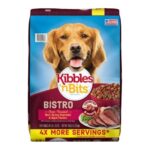 Kibbles n BitsKibbles n Bits Bistro Kibbles ‘n Bits : Roasted Beef, Vegetable & Apple Dry Dog Food
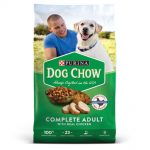 PurinaPurina Dog Chow Complete Adult with Real Chicken Dry Dog Food
Show 6 more
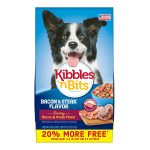 Kibbles n BitsKibbles n Bits Bacon & Steak Flavor Dry Dog Food
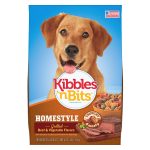 Kibbles n BitsKibbles n Bits Homestyle Grilled Beef & Vegetable Flavors Dry Dog Food
 Kibbles n BitsKibbles n Bits Bistro Small Breed Mini Bits Oven Roasted Beef Flavor Dry Dog Food
 Kibbles n BitsKibbles n Bits Bistro Oven Roasted Beef Flavor Dry Dog Food
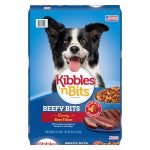 Kibbles n BitsKibbles n Bits Beefy Bits Dry Dog Food
 Kibbles n BitsKibbles n Bits Meaty Middles Prime Rib Flavor Dry Dog Food
Leaving it out
Foods without unnamed meat sources
For owners who skip unnamed meat sources: popular dry foods priced like the ones that list it ($0.60 to $1.19 per lb), with no unnamed meat sources on the label.
 Rachael Ray NutrishRachael Ray Nutrish Real Chicken & Veggies Recipe Dry Dog Food
 Rachael Ray NutrishRachael Ray Nutrish Real Beef, Pea & Brown Rice Recipe Dry Dog Food
 WellnessWellness Core+ Beef & Barley Recipe Dry Dog Food
 WellnessWellness Core Wholesome Grains Original Dry Dog Food
 DiamondDiamond Care Sensitive Skin Formula for Adult Dogs Grain-Free Dry Dog Food
 PurinaPurina Puppy Chow Large Breed Dry Dog Food
 PurinaPurina Puppy Chow Complete Dry Dog Food
 DiamondDiamond Maintenance Dry Dog Food
Checked against the ingredient list we store for each food. Labels change, so read the bag before you buy.
Sources
What we read
Checked October 1, 2026.
- 1 Hydrolyzed chicken liver used as single source of animal protein in diet and its effect on cytokines, immunoglobulins, and fecal microbiota profile of adult dogs
- 2 Composition of amino acids and related nitrogenous nutrients in feedstuffs for animal diets
- 3 Dry Pet Food Flavor Enhancers and Their Impact on Palatability: A Review
- 4 Methods For Enhancing Palatability of Compositions for Animal Consumption
- 5 Dried animal digest compositions
- 6 Reading Labels
- 7 Hydrolyzed Diets
- 8 Biological Contaminants