
Ingredient file // Animal protein
Sole
A lean named fish, mostly water on the label
Sole is the deboned flesh of a lean flatfish, added raw to the kibble dough. It supplies fish protein with little fat, but most of its weight is water, so its place on the ingredient list overstates how much it contributes.
Role in the food Main nutrition
- What it is
- The flesh of sole, a lean flatfish, with the bones removed and added to kibble raw rather than as a dried meal.
- Made from
- Flatfish sold as sole, mostly righteye flounders
- Main job
- Named fish protein
- Typical amount
- Not published
- Watch for
- Chicken ingredients in the same recipe
- Not the same as
- Fish meal
Straight answer
Is Sole safe for dogs?
Read sole as wet fish, then check behind it
Sole near the top tells you which fish leads, not how much fish protein the food carries. Look at the meals and starches right behind it, and check whether chicken shows up too. For a dog avoiding chicken, that matters more than the sole itself.
- Why it is in the food
- Named fish protein
- How common
- Listed by 1 of the 3,204 foods we track
Our read // In our catalog
In 1 of every 3,204 foods we track
Share of foods that list it
<1%
1 of the 3,204 foods with an ingredient list on file, from 1 brand. All dry dog food.
Each square is 1% of the catalog
Where it sits on the label
Median position 2. In the top five of 1 food, so it is usually a main ingredient.
Above the salt
Almost always listed before the salt, so there is more of it than a pinch.
Who leans on it
100%
of the foods that list it are from Blue. 1 brand use it in total.
What it is
How it is made
Sole comes from commercial flatfish fisheries that mainly supply fillets for people. Only about a third of a whole fish is edible flesh, and pet food takes that flesh raw and deboned rather than dried into a meal.1,2,5
- 01 // Source Flatfish catch In the US, sole is a market name for several righteye flounders, including Dover, English and petrale sole.
- 02 // Process Deboned Bones and guts come off. Edible flesh is only about 33% of a whole Dover sole.
- 03 // Output Raw sole flesh Arrives as raw flesh of about 85% water, with 12 to 15 g protein per 100 g.
What is in it
Composition, dry matter
80
% protein
Protein share of sole once the water is gone. Raw, though, sole is about 85% water, so most of its label weight is water.
Why it is in the bag
A real protein source, though mostly water by weight
- Main nutrition
- Supporting nutrient
- Does a job
- Mostly filler
Near the top of the list, sole is one of the food's main protein ingredients, and it gives the label a named fish. Its flesh is about 80% protein once dry, with little fat. Raw, it is about 85% water, and the list ranks by weight with that water included, so it likely supplies less protein than its spot suggests. A dried meal listed behind it can carry as much protein or more.1,6,11
-
01
A named fish protein
Fish has to be named by its identifying term on a label, so sole tells the buyer exactly which fish leads. That matters to owners steering away from beef or chicken, the commoner triggers.6,7
-
02
Protein with little fat
Raw sole carries 12 to 15 g protein and only 0.5 to 1.9 g fat per 100 g, so it adds protein while the recipe controls fat separately.1,2
-
03
Weight that lifts list position
Labels rank ingredients by weight, and raw sole is about 85% water. Fresh fish therefore sits higher on the list than its dry contribution would put it.1,6
How much No source publishes how much sole a recipe holds; its listed position reflects wet weight, about 85% of which is water.1,6
Our read // The claims
What the evidence supports
Strong: controlled studies in dogs agree. Some: small or mixed dog data. Thin: mechanism or lab work only. None: nothing, or the evidence points the other way.
-
Brands say
Sole is a lean, high-protein fish
Evidence
- Strong
- Some
- Thin
- None
USDA data put raw flounder and sole at 12.4 g protein and 1.9 g fat per 100 g, about 80% protein on a dry basis. Norwegian figures for Dover sole show only 0.5 g fat.1,2
-
Brands say
Fish is a novel protein for allergic dogs
Outruns the evidence
Evidence
- Strong
- Some
- Thin
- None
Fish triggered reactions in just 5 of 297 dogs with proven food allergy, so it is rarely the culprit. But testing found undeclared animal material in 10 of 12 limited-antigen dry diets, so a fish label does not guarantee fish only.7,8
-
Brands say
Fish gives dogs omega-3s for skin and joints
Outruns the evidence
Evidence
- Strong
- Some
- Thin
- None
Raw sole holds about 0.25 g EPA plus DHA per 100 g. In a 177-dog arthritis trial, clear benefit needed about 3 times a food already at 0.8% EPA plus DHA. Sole at kibble amounts comes nowhere close.1,9
-
Owners say
Fish in dog food carries dangerous mercury
Outruns the evidence
Evidence
- Strong
- Some
- Thin
- None
FDA testing put flatfish, sole included, at a mean of 0.056 ppm mercury across 71 samples, against 0.995 ppm for swordfish. Sole sits among the lowest-mercury fish sold, so the fear does not fit it.4
-
Owners say
Sole listed first means the food is mostly fish
Outruns the evidence
Evidence
- Strong
- Some
- Thin
- None
Labels rank ingredients by weight with water included, and raw sole is about 85% water. Once dried in the extruder, its protein can trail a meal or starch listed after it.1,6
Straight answers
What owners ask
-
Q01
Is it the Dover sole from restaurants?
Often notIn the US, sole is a market name for several righteye flounders, and FDA lists Dover, English, petrale, rex and gray sole this way. European Dover sole is a different fish, Solea solea.2,5
-
Q02
Why is it listed before fish meal?
Water weightFresh sole is weighed wet, about 85% water, and the list ranks by that weight. A fish meal arrives dry, so one listed further down can still carry more protein into the kibble.1,6
-
Q03
Does lean sole make the food low fat?
NoSole adds little fat, 0.5 to 1.9 g per 100 g raw, but recipes add fat separately, often as chicken fat. The crude fat on the guaranteed analysis is the number that counts.1,2
Who uses it
Brands, best sellers and the company it keeps
Top brands, by foods that list it
Foods that list it / all the brand's recipes we track.
Usually listed with, share of the foods that list it
- Pollock 100%
- Halibut 100%
- Dried Chicken 100%
- Herring Meal 100%
- Chicken Fat 100%
- Mixed Tocopherols 100%
- Tapioca Starch 100%
- Dried Egg Product 100%
- Dried Tomato Pomace 100%
On the shelf
Foods that list Sole
1 food in our catalog lists it, highest on the label first.
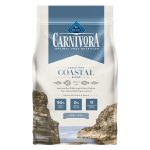
On labels as
Deboned sole: what changes
One page covers every name. Here is what each label word adds, and whether it changes anything for your dog.
Deboned sole
Matters for your dog A little
Deboned Sole
What it means AAFCO's feed terms describe deboned as flesh left after the bones come off by mechanical deboning. It is a descriptive term, not an ingredient definition. It says nothing about how much sole the food holds, how the fish was caught, or whether it was dried.
For your dog The bones are removed by machine. The USDA figures of about 80% protein on a dry basis come from edible fillet flesh. We found no analysis of mechanically deboned sole, which could carry more ash. Deboning removes no water, so the fish is still about 85% water and ranks high by wet weight.1,10,11
- Strong
- Some
- Thin
- None
Sources
What we read
Checked October 1, 2026.
- 1 Fish, flatfish (flounder and sole species), raw (USDA FoodData Central SR Legacy, FDC ID 174196)
- 2 Dover sole, raw
- 3 Seasonal variations in proximate and fatty acid compositions of female common sole (Solea solea)
- 4 Mercury Levels in Commercial Fish and Shellfish (1990-2012)
- 5 RFE - Browse Species by Market Name
- 6 What's in the Ingredients List?
- 7 Critically appraised topic on adverse food reactions of companion animals (2): common food allergen sources in dogs and cats
- 8 Identification of undeclared sources of animal origin in canine dry foods used in dietary elimination trials
- 9 Dose-titration effects of fish oil in osteoarthritic dogs
- 10 It's All Chicken to Pet Food
- 11 Pet food labels: Cracking the code (Proceedings)