
Ingredient file // Flavor
Egg and Chicken Flavor
A flavoring, with little nutrient detail disclosed
Egg and Chicken Flavor is a prepared ingredient mixed into kibble or applied to its surface. Its job is to make the food more appealing. The label does not reveal how much egg, chicken or carrier the flavoring contains.
- What it is
- A prepared flavoring made with egg and poultry material to change how dry dog food smells and tastes.
- Made from
- Egg and poultry material; carrier varies
- Main job
- Makes kibble more appealing
- Typical amount
- Not published; patent tests used 2.5 to 10%
- Watch for
- Dogs avoiding egg or chicken
- Not the same as
- Dried egg product
Straight answer
Is Egg and Chicken Flavor safe for dogs?
Read it as flavor, then check the food
Read this line as a flavoring wherever it appears on the bag. Check the named protein ingredients and the food's nutrient analysis to judge what the recipe supplies; the flavoring's name gives no egg or chicken amount. If your dog must avoid either food, choose a recipe without it.
- Why it is in the food
- Makes kibble more appealing
- How common
- Listed by 18 of the 3,204 foods we track
Our read // In our catalog
In 1 of every 178 foods we track
Share of foods that list it
<1%
18 of the 3,204 foods with an ingredient list on file, from 1 brand. All dry dog food.
Each square is 1% of the catalog
Where it sits on the label
Median position 9. In the top five of 0 foods, so it is usually a supporting ingredient.
Above the salt
Almost always listed before the salt, so there is more of it than a pinch.
Price per lb
Median of the cheapest bag price across 17 priced foods, 72% below the catalog. The price is the food's, not the ingredient's.
Who leans on it
100%
of the foods that list it are from Purina. 1 brand use it in total.
What it is
How it is made
One patented route uses eggs and poultry material from poultry production, including hens no longer used for laying. Enzymes break down the material, and a dry carrier makes it easier to handle. A bag does not identify its supplier's process.5,6
- 01 // Source Eggs and poultry The patented method starts with inedible eggs and poultry material, including hens no longer used for laying.
- 02 // Process Proteins broken down Ground poultry material is mixed with an egg and enzyme solution until the mixture is mostly liquid.
- 03 // Process Carrier added The mixture is combined with a dry carrier that absorbs moisture; options include corn, wheat and soybean meal.
- 04 // Process Dried and sized The mixture is formed into pieces, dried and milled into granules for handling.
- 05 // Output Prepared flavoring The granules are ready to be mixed into kibble or applied to its surface.
What is in it
Composition, dry matter
N/A
No nutrient analysis of the flavoring itself was published in the sources reviewed. The figures below describe finished test foods instead.
These are dry matter calculations from the patent's moisture and nutrient values for complete foods, not measurements of the flavoring. The lowest protein test food calculates to 28.58%. The flavoring's nutrient profile and carrier share remain undisclosed.6
Why it is in the bag
What the manufacturer gets
-
01
Changes food aroma
Dogs use odor when choosing food. In a paired-bowl study, dogs ate more identical kibble when a meat-based palatant odor came from beneath one bowl.1
-
02
Improves acceptance
A manufacturer's patent reports greater intake of test foods containing its egg and chicken flavoring in round-robin palatability trials. It does not give the number of dogs tested, so the result has limits.6
-
03
Uses poultry material
The patented process turns eggs and poultry material from production facilities into a dry ingredient. For manufacturers, making use of that material and improving food acceptance both have economic value.5,6
-
04
Fits existing recipes
In the patent tests, flavoring on a corn protein carrier replaced parts of the control recipe. The carrier helps the flavoring fit into a dry food formula.6
How much A manufacturer's patent tested 2.5 to 10% flavoring, including its carrier; that range does not describe usual commercial use.6
Our read // The claims
What the evidence supports
Strong: controlled studies in dogs agree. Some: small or mixed dog data. Thin: mechanism or lab work only. None: nothing, or the evidence points the other way.
-
Brands say
It makes some dry dog foods more appealing
Evidence
- Strong
- Some
- Thin
- None
A 36-dog study found that odors changed intake, but it tested other palatants. A manufacturer patent reports round-robin palatability trials with an 87:13 preference share for the flavored test food; it omits the dog count.1,6
-
Brands say
It adds meaningful egg and chicken protein
Outruns the evidence
Evidence
- Strong
- Some
- Thin
- None
In the patent's 5% test, finished food had 26.7% protein as fed versus 26.1% for the control. Those are whole-food values. The patent gives no nutrient analysis of the flavoring or its egg and chicken portions.6
-
Owners say
Flavor means the food contains plenty of chicken
Outruns the evidence
Evidence
- Strong
- Some
- Thin
- None
AAFCO's flavor rule requires a flavor source on the label but sets no large minimum amount for a flavor claim. The patented flavoring includes a carrier, so its inclusion rate cannot tell you how much chicken is present.4,6
-
Owners say
Flavoring is safe for chicken allergic dogs
Outruns the evidence
Evidence
- Strong
- Some
- Thin
- None
This flavoring has not been tested in allergic dogs. In a 10-dog crossover trial, a different hydrolyzed chicken liver diet triggered flares in 4 dogs. Processing chicken does not, by itself, prove allergy safety.2
-
Critics say
Egg and chicken flavor is just filler
Outruns the evidence
Evidence
- Strong
- Some
- Thin
- None
A manufacturer reported greater intake in round-robin palatability trials of foods with the flavoring, although it did not publish the dog count. The ingredient has a flavor job; the evidence does not show that it supplies meaningful nutrition.6
Straight answers
What owners ask
-
Q01
Is it just filler?
NoIt changes how kibble smells and tastes, which is a real job. A manufacturer's preference tests support that use, but the patent leaves out the dog count and does not show a nutritional benefit.6
-
Q02
Does flavor mean real chicken?
Amount unclearThe patented preparation uses poultry material, but the ingredient name gives no chicken amount. AAFCO's rule for a flavor claim on a food label requires a flavor source, not a large portion of the named food.4,5,6
-
Q03
Can my allergic dog eat it?
Avoid itIf your dog reacts to egg or chicken, do not treat a flavoring as an exception. Its full composition and safety in allergic dogs are unpublished; a different processed chicken diet triggered reactions in a controlled trial.2,3,6
Who uses it
Brands, best sellers and the company it keeps
Top brands, by foods that list it
Foods that list it / all the brand's recipes we track.
Usually listed with, share of the foods that list it
- Soybean Meal 100%
- Mixed Tocopherols 89%
- Whole Grain Corn 83%
- Beef Fat 67%
- Rice 67%
- Whole Grain Wheat 56%
- Chicken By-Product Meal 56%
- Corn Gluten Meal 56%
- Corn Protein Meal 44%
- Chicken 44%
- Barley 44%
- Meat and Bone Meal 39%
On the shelf
Foods that list Egg and Chicken Flavor
18 foods in our catalog list it, highest on the label first.
 PurinaPurina Dog Chow High Protein Real Chicken Dry Dog Food
 PurinaPurina Puppy Chow Large Breed Dry Dog Food
 PurinaPurina Puppy Chow Complete Dry Dog Food
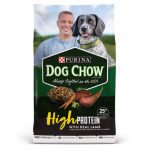 PurinaPurina Dog Chow High Protein with Real Lamb Dry Dog Food
 PurinaPurina Alpo Prime Cuts Dry Dog Food
 PurinaPurina Alpo Come & Get It! Cookout Classics Dry Dog Food
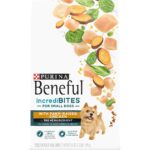 PurinaPurina Beneful Incredibites Small Dog Chicken Dry Dog Food
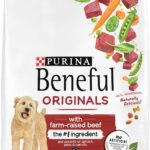 PurinaPurina Beneful Originals Farm-Raised Beef Dry Dog Food
Show 10 more
 PurinaPurina Dog Chow Tender & Crunchy Dry Dog Food
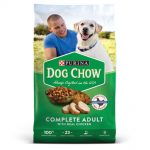 PurinaPurina Dog Chow Complete Adult with Real Chicken Dry Dog Food
 PurinaPurina Dog Chow High Protein Real Beef Dry Dog Food
 PurinaPurina Dog Chow Complete Adult with Real Beef Dry Dog Food
 PurinaPurina Beneful IncrediBites Small Farm-Raised Beef Dog Dry Food
 PurinaPurina Beneful Healthy Weight Farm-Raised Chicken Dry Dog Food
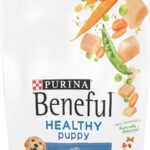 PurinaPurina Beneful Healthy Puppy Farm-Raised Chicken Dry Dog Food
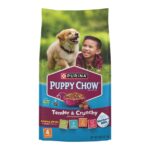 PurinaPurina Puppy Chow Tender & Crunchy Dry Dog Food
 PurinaPurina Beneful Playful Life Farm-Raised Beef Dry Dog Food
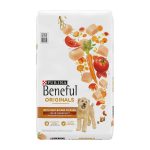 PurinaPurina Beneful Originals Farm-Raised Chicken Dry Dog Food
Leaving it out
Foods without chicken
For owners who skip chicken: popular dry foods priced like the ones that list it ($0.64 to $1.28 per lb), with no chicken on the label.
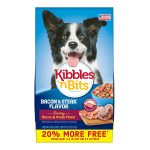 Kibbles n BitsKibbles n Bits Bacon & Steak Flavor Dry Dog Food
 Kibbles n BitsKibbles n Bits Bistro Small Breed Mini Bits Oven Roasted Beef Flavor Dry Dog Food
 DiamondDiamond Care Sensitive Skin Formula for Adult Dogs Grain-Free Dry Dog Food
 Gravy TrainGravy Train Beefy Classic Dry Dog Food
 Nature's RecipeNature’s Recipe Original Senior Lamb Meal & Rice Recipe Dry Dog Food
 PedigreePedigree Adult, Roasted Lamb & Vegetable Dry Dog Food
Checked against the ingredient list we store for each food. Labels change, so read the bag before you buy.
Sources
What we read
Checked October 1, 2026.
- 1 A new method to assess the influence of odor on food selection in dogs
- 2 A randomized, double-blinded crossover trial testing the benefit of two hydrolysed poultry-based commercial diets for dogs with spontaneous pruritic chicken allergy
- 3 Critically appraised topic on adverse food reactions of companion animals (2): common food allergen sources in dogs and cats
- 4 Reading Labels
- 5 Process for natural recycling of protein waste
- 6 Methods for increasing the palatability of food compositions