
Ingredient file // Animal protein
Kangaroo Liver
A useful organ protein with limits
Kangaroo liver is an organ ingredient from Australia's commercial kangaroo harvest. It adds animal protein and meaty flavor to dog food. Its presence does not make a food suitable for allergy testing or tell you whether the whole recipe meets your dog's nutrient needs.
- What it is
- The liver removed during kangaroo processing and supplied separately as an animal ingredient for pet food.
- Made from
- Livers from commercially harvested kangaroos
- Main job
- Animal protein and flavor
- Typical amount
- Not published; one trial fed 5% in a complete diet
- Watch for
- Dogs prescribed a low copper diet
- Not the same as
- Kangaroo muscle meat
Straight answer
Is Kangaroo Liver safe for dogs?
Judge the whole food before the liver
Read kangaroo liver as an organ protein with a flavor job. Its place on a wet food label reflects its weight when added, not its contribution to the finished food's protein. Check the food's dry matter protein and fat and its nutritional adequacy statement. Avoid the ingredient if your dog needs a low copper diet.
- Why it is in the food
- Animal protein and flavor
- Watch for
- Copper associated liver disease; Repeated large liver servings; Known kangaroo protein reaction
- How common
- Listed by 3 of the 3,204 foods we track
Our read // In our catalog
In 1 of every 1,068 foods we track
Share of foods that list it
<1%
3 of the 3,204 foods with an ingredient list on file, from 2 brands. 2 wet dog food, 1 dry dog food.
Each square is 1% of the catalog
Where it sits on the label
Median position 4. In the top five of 2 foods, so it is usually a main ingredient.
Above the salt
Almost always listed before the salt, so there is more of it than a pinch.
Who leans on it
67%
of the foods that list it are from Rayne Nutrition. 2 brands use it in total.
What it is
How it is made
Australia's commercial kangaroo harvest supplies meat for people and pets. Processors separate the liver from the main meat cuts and sell it frozen for pet food, putting another part of the harvested animal to use.2,7
- 01 // Source Harvested kangaroos Licensed operators harvest wild kangaroos under state management plans with annual quotas.
- 02 // Process Liver separated Processors sell kangaroo liver separately from muscle meat and mixed organs.
- 03 // Process Ground and frozen One supplier describes coarse ground liver packed into frozen blocks for pet food makers.
- 04 // Output Frozen kangaroo liver The frozen organ reaches the pet food plant ready to blend into a recipe.
What is in it
Composition, dry matter
67-88
% protein
Calculated bounds from a supplier's raw specification. They show how much water changes the comparison, not results measured across liver batches.
Why it is in the bag
What the manufacturer gets
-
01
Adds animal protein
Raw liver brings protein into a wet recipe. Its water also adds weight, so its place on an ingredient list cannot reveal its share of the finished food's protein.3,7
-
02
Adds meaty flavor
A supplier describes the liver's smell as meaty, and a treat brand sells its flavor. Neither has shown how much this ingredient changes a dog's preference for a complete food.7,9
-
03
Uses a harvest organ
Selling liver gives processors another outlet from the kangaroo harvest. Supply follows wild harvest and market demand, rather than production from animals farmed for pet food.2,7
-
04
Fits wet food production
Frozen liver blends into other ingredients before a wet food is sealed and heat processed. The supplier lists canned pet food as an intended use.6,7
How much One study fed a complete wet recipe containing 5% kangaroo liver to 8 dogs for 4 weeks; it did not test liver alone.1
Our read // The claims
What the evidence supports
Strong: controlled studies in dogs agree. Some: small or mixed dog data. Thin: mechanism or lab work only. None: nothing, or the evidence points the other way.
-
Brands say
Kangaroo liver adds animal protein
Evidence
- Strong
- Some
- Thin
- None
A supplier specifies 20 to 22% protein in raw kangaroo liver. That supports its job as a protein ingredient. The 8-dog feeding study did not measure how much of the complete food's protein came from liver.1,7
-
Brands say
Kangaroo liver is hypoallergenic for sensitive dogs
Outruns the evidence
Evidence
- Strong
- Some
- Thin
- None
Kangaroo is novel only if a dog has not eaten it before. University guidance warns that retail diets can contain other animal proteins. The 8-dog kangaroo diet study did not enroll allergic dogs or test allergy relief.1,4,9
-
Brands say
Liver makes the food irresistible to dogs
Outruns the evidence
Evidence
- Strong
- Some
- Thin
- None
The support is a supplier's odor note and a brand's marketing copy, not a measurement. The 8-dog study recorded daily intake on one complete diet, with no comparison of liver levels and no food choice offered, so it cannot speak to preference at all.1,7,9
-
Brands say
Kangaroo liver supports heart and coat health
Outruns the evidence
Evidence
- Strong
- Some
- Thin
- None
A brand links the organ's fats to heart and coat benefits. The supplier gives no fatty acid analysis, and the study of a wet diet with 5% liver measured neither outcome. The promised benefits are untested.1,7,9
Straight answers
What owners ask
-
Q01
Is it just filler?
NoLiver supplies animal protein, and the supplier describes a meaty smell. Its raw specification lists 20 to 22% protein. The label cannot tell you how much of the finished food's protein came from liver.3,7
-
Q02
Will it fix food allergies?
No guaranteeKangaroo counts as novel only if your dog has not eaten it before. For an elimination trial, the entire diet and its manufacturing controls matter; ordinary retail foods may contain other animal proteins.4
-
Q03
Is liver the same as meat?
NoThe supplier lists kangaroo liver and kangaroo muscle meat as separate products. They have different nutrient profiles, so read both names if they appear on the same ingredient list.7
-
Q04
Does liver make food complete?
NoNo single organ tells you whether a recipe meets a dog's full nutrient needs. Check the nutritional adequacy statement for the intended life stage, especially when the food is sold as a regular meal.3
Who uses it
Brands, best sellers and the company it keeps
Top brands, by foods that list it
Foods that list it / all the brand's recipes we track.
Usually listed with, share of the foods that list it
- Kangaroo 100%
- Sunflower Oil 100%
- Potassium Chloride 67%
- Dried Potatoes 67%
- Dried Sweet Potatoes 67%
- Water Sufficient for Processing 33%
- Flaxseed 33%
- Pumpkin 33%
- Chickpeas 33%
- Porcine Plasma 33%
- Brewers Dried Yeast 33%
- Dried Chickpeas 33%
On the shelf
Foods that list Kangaroo Liver
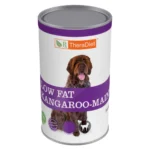
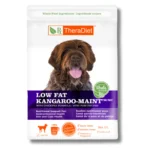
3 foods in our catalog list it, highest on the label first.

Sources
What we read
Checked October 1, 2026.
- 1 Association of four differently processed diets with plasma and urine advanced glycation end products and serum soluble receptor for advanced glycation end products concentration in healthy dogs
- 2 Exporting kangaroo meat
- 3 Labeling & Labeling Requirements
- 4 Hydrolyzed Diets
- 5 Copper hepatopathy and dietary management
- 6 How Pet Food Is Made
- 7 GMP- Petfood Raw Material
- 8 Vitamin A Poisoning in Dogs
- 9 Kangaroo Liver