
Ingredient file // Vitamin or mineral
Carotene
A small pigment with possible vitamin value
Carotene is an orange pigment; the form added to feed is often beta carotene. Dogs can convert beta carotene into vitamin A, but the ingredient line cannot tell you how much vitamin A the finished food provides.
- What it is
- A family of colored compounds; beta carotene is a feed additive that dogs can convert into vitamin A.
- Made from
- Synthetic chemicals or edible plant sources
- Main job
- Color and vitamin A precursor
- Typical amount
- Not published
- Watch for
- Vitamin A gaps in homemade diets
- Not the same as
- Preformed vitamin A
Straight answer
Is Carotene safe for dogs?
Read it as a small additive
Carotene near the end of an ingredient list is a small pigment addition with possible vitamin A value. Judge the food by its nutritional adequacy statement and the main ingredients above it. Orange color and carotene claims do not prove a healthier meal.
- Why it is in the food
- Color and vitamin A precursor
- Watch for
- Homemade vitamin A gaps
- How common
- Listed by 46 of the 3,204 foods we track
Our read // In our catalog
In 1 of every 70 foods we track
Share of foods that list it
1%
46 of the 3,204 foods with an ingredient list on file, from 2 brands. 42 dry dog food, 4 wet dog food.
Each square is 1% of the catalog
Where it sits on the label
Median position 32. In the top five of 0 foods, so it is usually a minor ingredient.
Above the salt
Usually listed after the salt, which caps it at roughly 1% of the recipe in 100% of foods.
Price per lb
Median of the cheapest bag price across 30 priced foods, 8% above the catalog. The price is the food's, not the ingredient's.
Who leans on it
85%
of the foods that list it are from Royal Canin. 2 brands use it in total.
What it is
How it is made
Most commercial beta carotene comes from chemical synthesis; a smaller share is extracted from carrots, palm fruit and other plants. Suppliers dilute the concentrated pigment with carriers so a small amount spreads evenly through feed.5,6
- 01 // Source Pigment source Commercial synthesis commonly starts with beta ionone; plant extraction uses carrots, palm fruit oil or sweet potato.
- 02 // Process Pigment isolated Chemical synthesis yields beta carotene as a crystalline powder; plant extraction yields a purified extract instead.
- 03 // Process Carriers added Suppliers blend the pigment with carbohydrates or gelatin and add antioxidants to protect it.
- 04 // Output Feed preparation A solid preparation reaches feed plants; preparations assessed by EFSA contained about 10% beta carotene.
What is in it
Composition, dry matter
96.7
% pigment
The average coloring matter in one supplier's beta carotene crystals. Feed preparations are much more diluted than these crystals.
Why it is in the bag
What the manufacturer gets
-
01
Adds orange color
Beta carotene colors food yellow to orange. In kibble, that changes appearance without contributing meaningful protein, fat or fiber.4,7
-
02
Provides vitamin A potential
Dogs can convert beta carotene into vitamin A. The conversion rate has not been quantified in dogs, so the ingredient name alone cannot show how much vitamin A it supplies.3
-
03
Supplies pigment at scale
Chemical synthesis supplies most commercial beta carotene. Concentrated preparations let manufacturers distribute a small amount of pigment through a large feed batch.5,6
-
04
Supports antioxidant blends
Manufacturers also combine beta carotene with vitamins C and E. A dog trial tested that blend, but did not isolate carotene's contribution.2
How much One dog trial targeted 1.5 mg of beta carotene per kg of food; EFSA reports a proposed 50 mg/kg feed level for dogs, not typical use.2,5
Our read // The claims
What the evidence supports
Strong: controlled studies in dogs agree. Some: small or mixed dog data. Thin: mechanism or lab work only. None: nothing, or the evidence points the other way.
-
Brands say
Carotene helps cover a dog's vitamin A needs
Evidence
- Strong
- Some
- Thin
- None
An older dog feeding study summarized in a veterinary review used 150 g of carrots daily and found that supplemented dogs remained healthy. Dogs can use beta carotene for vitamin A, but their conversion rate is unquantified.3
-
Brands say
Carotene strengthens a dog's immune defenses
Outruns the evidence
Evidence
- Strong
- Some
- Thin
- None
In an 8-week Beagle trial, dogs given 20 or 50 mg daily had higher CD4 cell measures and stronger challenge responses. Those are immune markers; the study did not show fewer infections or test ordinary kibble levels.1,4
-
Brands say
Carotene protects dogs from oxidative damage
Outruns the evidence
Evidence
- Strong
- Some
- Thin
- None
In a Hill's-funded 84-day trial involving 40 dogs, an antioxidant blend containing beta carotene, vitamin C and extra vitamin E reduced DNA damage markers. The design cannot assign the effect to carotene or show a health benefit.2
-
Owners say
Orange kibble is healthier for dogs
Outruns the evidence
Evidence
- Strong
- Some
- Thin
- None
FDA lists beta carotene as a yellow to orange colorant. Color shows that pigment was added; it does not measure the food's nutritional adequacy or show a health benefit for dogs.7,8
Straight answers
What owners ask
-
Q01
Is it just filler?
NoCarotene is added in small amounts for color and potential vitamin A activity. It does not make up the starch, protein or fiber bulk of a recipe.2,3,7
-
Q02
Does carotene mean carrots?
NoBeta carotene may be synthesized or extracted from plants or microbes. The ingredient name does not identify its origin, and a concentrated pigment preparation is not a serving of carrots.5,6
-
Q03
Can it replace vitamin A?
In principleDogs can use beta carotene as a vitamin A source, but their conversion rate is unknown. Check the food's nutritional adequacy statement rather than trying to judge vitamin A supply from this ingredient line.3,8
-
Q04
Is it safe for dogs?
At feed levelsEFSA's 2025 review found chemically synthesized beta carotene safe for target animals under approved feed conditions. It did not assess fermentation-made carotene, and it sets no dose for adding concentrated powder to a dog's bowl.5
Who uses it
Brands, best sellers and the company it keeps
Top brands, by foods that list it
Foods that list it / all the brand's recipes we track.
Amazon best sellers that list it
Rank on Amazon's dog food best seller list, checked October 2026.
Usually listed with, share of the foods that list it
- Brewers Rice 93%
- Chicken By-Product Meal 89%
- Natural Flavor 89%
- Wheat Gluten 87%
- Chicken Fat 85%
- Dried Plain Beet Pulp 85%
- Corn 80%
- Fish Oil 41%
- Vegetable Oil 35%
- Corn Gluten Meal 35%
- Wheat 28%
- Brown Rice 26%
On the shelf
Foods that list Carotene
46 foods in our catalog list it, highest on the label first.
 Royal CaninRoyal Canin Veterinary Vegetarian Dry Dog Food
 EukanubaEukanuba Senior Medium Breed Dry Dog Food
 EukanubaEukanuba Senior Dry Dog Food
 Royal CaninRoyal Canin Size Health Nutrition X-Small Puppy Thin Slices In Gravy Wet Dog Food
 Royal CaninRoyal Canin Yorkshire Terrier Puppy Dry Dog Food
 Royal CaninRoyal Canin Shih Tzu Puppy Dry Dog Food
Show 40 more
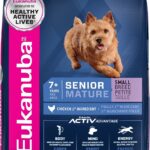 EukanubaEukanuba Senior Small Breed Dry Dog Food
 Royal CaninRoyal Canin Large Puppy Thin Slices in Gravy Wet Dog Food
 Royal CaninRoyal Canin Starter Mother & Babydog Ultra Soft Mousse In Sauce Wet Dog Food
 Royal CaninRoyal Canin Size Health Nutrition Medium Puppy Thin Slices in Gravy Wet Dog Food
 Royal CaninRoyal Canin Veterinary Gastrointestinal Puppy Dry Dog Food
 Royal CaninRoyal Canin Small Starter Mother And Babydog Dry Dog Food
 Royal CaninRoyal Canin Chihuahua Puppy Dry Dog Food
 Royal CaninRoyal Canin Medium Puppy Dry Dog Food
 Royal CaninRoyal Canin Small Puppy Dry Dog Food
 Royal CaninRoyal Canin Bulldog Puppy Dry Dog Food
 Royal CaninRoyal Canin Large Puppy Dry Dog Food
 Royal CaninRoyal Canin Small Indoor Senior Dry Dog Food
 Royal CaninRoyal Canin Dachshund Puppy Dry Dog Food
 EukanubaEukanuba Premium Performance 26/16 Exercise Dry Dog Food
 EukanubaEukanuba Premium Performance 30/20 Sport Dry Dog Food
 Royal CaninRoyal Canin X-Small Puppy Dry Dog Food
 EukanubaEukanuba Premium Performance 26/16 Exercise Small Bites Dry Dog Food
 EukanubaEukanuba Premium Performance 30/20 Sport Small Bites Dry Dog Food
 Royal CaninRoyal Canin Small Indoor Puppy Dry Dog Food
 Royal CaninRoyal Canin German Shepherd Adult 5+ Dry Dog Food
 Royal CaninRoyal Canin Jack Russell Terrier Puppy Dry Dog Food
 Royal CaninRoyal Canin Dachshund 8+ Adult Dry Dog Food
 Royal CaninRoyal Canin Labrador Retriever Adult 5+ Dry Dog Food
 Royal CaninRoyal Canin Giant Puppy Dry Dog Food
 Royal CaninRoyal Canin Pug Puppy Dry Dog Food
 Royal CaninRoyal Canin Giant Junior Dry Dog Food
 Royal CaninRoyal Canin French Bulldog Puppy Dry Dog Food
 Royal CaninRoyal Canin Veterinary Urinary SO Aging 7+ Dry Dog Food
 Royal CaninRoyal Canin Boxer Puppy Dry Dog Food
 Royal CaninRoyal Canin Labrador Retriever Puppy Dry Dog Food
 Royal CaninRoyal Canin Yorkshire Terrier Adult 8+ Adult Dry Dog Food
 Royal CaninRoyal Canin Cavalier King Charles Puppy Dry Dog Food
 Royal CaninRoyal Canin Miniature Schnauzer Puppy Dry Dog Food
 Royal CaninRoyal Canin Chihuahua 8+ Dry Dog Food
 Royal CaninRoyal Canin German Shepherd Puppy Dry Dog Food
 Royal CaninRoyal Canin Poodle 8+ Adult Dry Dog Food
 Royal CaninRoyal Canin Veterinary Mature Consult Dry Dog Food
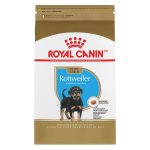 Royal CaninRoyal Canin Rottweiler Puppy Dry Dog Food
 Royal CaninRoyal Canin Poodle Puppy Dry Dog Food
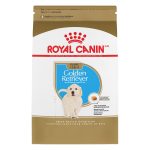 Royal CaninRoyal Canin Golden Retriever Puppy Dry Dog Food
Sources
What we read
Checked October 1, 2026.
- 1 Dietary beta-carotene stimulates cell-mediated and humoral immune response in dogs
- 2 Effect of dietary antioxidants on free radical damage in dogs and cats
- 3 Meeting the Vitamin A Requirement: The Efficacy and Importance of β-Carotene in Animal Species
- 4 Roles of plant-based ingredients and phytonutrients in canine nutrition and health
- 5 Assessment of the feed additive beta-carotene (3a160(a)) for all animal species for the renewal of its authorisation
- 6 Technical Evaluation Report: β-Carotene
- 7 Color Additives in Foods
- 8 Selecting the Right Pet Food