
Ingredient file // Animal protein
Bison Heart
High-protein bison muscle meat, not an organ
Bison heart is the heart muscle of ranch-raised bison, used mostly in frozen and freeze-dried raw foods. Judged by beef heart, the closest analysis, it gives the dog muscle-meat protein, iron and B12, but none of the vitamin A that makes liver worth feeding.
Role in the food Main nutrition- What it is
- The heart muscle of slaughtered bison, sold in raw frozen and freeze-dried foods as muscle meat.
- Made from
- Hearts from bison processed for meat
- Main job
- Animal protein from muscle meat
- Typical amount
- Not published
- Watch for
- Raw meat carries Salmonella and Listeria risk
- Not the same as
- Bison liver or other organs
Straight answer
Is Bison Heart safe for dogs?
Count it as meat, then find the organs
On a raw or freeze-dried bag, bison heart is muscle meat, not the organ share. Look for liver listed separately, and for a bone or calcium source if the food claims to be complete. Then handle the food like raw meat, because that is what it is.
- Why it is in the food
- Animal protein from muscle meat
- How common
- Listed by 4 of the 3,204 foods we track
Our read // In our catalog
In 1 of every 801 foods we track
Share of foods that list it
<1%
4 of the 3,204 foods with an ingredient list on file, from 3 brands. 3 frozen dog food, 1 freeze-dried dog food.
Each square is 1% of the catalog
Where it sits on the label
Median position 2. In the top five of 4 foods, so it is usually a main ingredient.
Above the salt
Almost always listed before the salt, so there is more of it than a pinch.
Who leans on it
50%
of the foods that list it are from Tucker's. 3 brands use it in total.
What it is
How it is made
Bison heart is a by-product of the small US bison meat trade. Each animal yields one heart, so supply tracks slaughter, which ran about 60,300 head in 2014.4,10,11
- 01 // Source Bison at slaughter Ranch-raised bison processed under inspection; 51,700 of the 2014 total went through federally inspected plants.
- 02 // Process Heart kept as meat The heart is saved at slaughter. AAFCO's consumer guide counts heart muscle as meat, not as a by-product.
- 03 // Process Frozen or freeze-dried Raw pet foods are sold frozen or freeze-dried. Freeze-drying pulls the water out without cooking the meat.
- 04 // Output Raw heart in food In one study, freeze-dried raw foods had lower bacterial counts than frozen ones, but drying did not eradicate bacteria.
What is in it
Composition, dry matter
77
% protein
Dry-basis protein in raw beef heart, the closest published analysis. No one has published bison heart; bison muscle runs about 85%.
Why it is in the bag
A main protein source here, not a filler
- Main nutrition
- Supporting nutrient
- Does a job
- Mostly filler
Bison heart is muscle meat, and in raw foods it can sit near the top of an ingredient list that runs by weight; one raw bison recipe lists it second, right after bison. There it is a main protein source: beef heart, the closest analysis, is about 77% protein on a dry basis, with 4.31 mg iron per 100 g. Part of that high spot is water, since raw heart is about 77% water.1,4,12
-
01
Protein from muscle
Raw beef heart, the closest analysis, is about 77% protein on a dry basis, so heart adds animal protein much as other muscle meat does.1
-
02
Counts as muscle meat
AAFCO's consumer guide calls heart muscle meat, still muscle tissue, while liver, kidneys and spleen sit with by-products. In a recipe, heart does the work of muscle, not of organs.4
-
03
Brings iron and B12
Raw beef heart carries 4.31 mg iron and 8.55 µg vitamin B12 per 100 g as fed, two nutrients every complete recipe has to reach.1
-
04
Small, fixed supply
Each animal has one heart, and the US slaughtered about 60,300 bison in 2014. That keeps bison heart a small-batch raw ingredient, not a kibble staple.11
How much No study or published formula gives an inclusion rate for bison heart; because AAFCO classes it as meat, recipes count it in the muscle share.4
Our read // The claims
What the evidence supports
Strong: controlled studies in dogs agree. Some: small or mixed dog data. Thin: mechanism or lab work only. None: nothing, or the evidence points the other way.
-
Brands say
Heart is lean, high-protein meat
Outruns the evidence
Evidence
- Strong
- Some
- Thin
- None
No one has analyzed bison heart. Raw beef heart, the stand-in, is about 77% protein on a dry basis but also 17% fat, about twice the roughly 8% of bison muscle. High-protein holds; lean is relative.1,3
-
Brands say
Heart supplies taurine for a healthy heart
Outruns the evidence
Evidence
- Strong
- Some
- Thin
- None
Muscle carries taurine; beef cuts tested at 2.3 to 2.9 mg per gram dry. But healthy dogs make their own taurine from methionine and cysteine, and no trial shows dietary heart protecting a dog's heart.7,8
-
Brands say
CoQ10 in heart supports your dog's heart
Outruns the evidence
Evidence
- Strong
- Some
- Thin
- None
In one lab study beef heart held about 110 µg of CoQ10 per gram, about 4.7 times beef muscle. That is a food measurement only; no study has fed heart to dogs and measured a heart benefit.5
-
Owners say
Heart counts as an organ meat
Outruns the evidence
Evidence
- Strong
- Some
- Thin
- None
AAFCO classes heart as muscle meat, not a by-product. USDA lists 0 µg of vitamin A in raw beef heart, the nutrient liver is fed for, so heart cannot fill the organ share of a raw diet.1,4
Straight answers
What owners ask
-
Q01
Is it just filler?
NoHeart is muscle meat at about 77% protein on a dry basis, judged by beef heart, with iron and B12 on top. It does the same job in the recipe as other bison muscle meat.1
-
Q02
Is bison heart a by-product?
NoAAFCO's consumer guide counts heart muscle as meat, along with the diaphragm, the muscle between chest and belly. By-products are parts like lungs, spleen, kidneys and liver. Heart is still muscle tissue.4
-
Q03
Can heart replace liver in raw feeding?
NoLiver is fed mainly for vitamin A. USDA lists no vitamin A at all in raw beef heart. Keep liver in the diet as its own ingredient and count heart as muscle.1
-
Q04
Does freeze-drying make raw heart safe?
NoIn a study of 17 raw pet foods bought frozen or freeze-dried, the freeze-dried ones had lower bacterial counts, but the authors say drying reduces contamination rather than eradicating it. Handle it like frozen raw.9,10
Who uses it
Brands, best sellers and the company it keeps
Top brands, by foods that list it
Foods that list it / all the brand's recipes we track.
Usually listed with, share of the foods that list it
- Bison Liver 50%
- Bison Kidney 50%
- Broccoli 50%
- Pork 50%
- Pumpkin 50%
- Pork Marrow And Bone 50%
- Taurine 50%
- Zinc Amino Acid Complex 50%
- Vitamin E 50%
- Calcium Carbonate 50%
- Beef Kidney 25%
- Beef Heart 25%
On the shelf
Foods that list Bison Heart
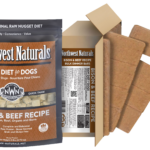
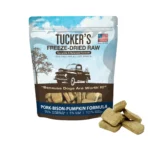
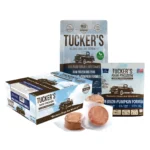
4 foods in our catalog list it, highest on the label first.
Sources
What we read
Checked October 1, 2026.
- 1 Beef, variety meats and by-products, heart, raw (USDA FoodData Central SR Legacy, FDC 168625)
- 2 Beef, New Zealand, imported, variety meats and by-products, heart, raw (USDA FoodData Central SR Legacy, FDC 174723)
- 3 Nutrient Composition of Fed Bison
- 4 What's in the Ingredients List?
- 5 Changes in content of coenzyme Q10 in beef muscle, beef liver and beef heart with cooking and in vitro digestion
- 6 Critically appraised topic on adverse food reactions of companion animals (2): common food allergen sources in dogs and cats
- 7 Important roles of dietary taurine, creatine, carnosine, anserine and 4-hydroxyproline in human nutrition and health
- 8 Addition of dietary methionine but not dietary taurine or methyl donors/receivers to a grain-free diet increases postprandial homocysteine concentrations in adult dogs
- 9 Get the Facts! Raw Pet Food Diets can be Dangerous to You and Your Pet
- 10 Contamination factors associated with surviving bacteria in Thai commercial raw pet foods
- 11 The challenges and rewards of raising bison
- 12 Foundations Bison (Canadian-Sourced Bison Raw Dog Food)