
Ingredient file // Animal protein
Blood Meal Conventionally Dried
Concentrated protein with a processing quality catch
Conventionally dried blood meal is slaughterhouse blood cooked in a heated vessel until it becomes a dry feed ingredient. It adds protein and iron to kibble, but its amino acids need balancing, and too much heat reduces protein quality.
Role in the food Supporting nutrient- What it is
- Whole slaughterhouse blood or separated blood cells dried in a conventional cooker for use in feed.
- Made from
- Blood collected during animal slaughter
- Main job
- Concentrated animal protein
- Typical amount
- No commercial figure found in available sources
- Watch for
- Heat damage and unidentified animal source
- Not the same as
- Spray-dried animal plasma
Straight answer
Is Blood Meal Conventionally Dried safe for dogs?
Read the protein mix around blood meal
Look at where blood meal sits beside the named meats and meals, then check the food's nutritional adequacy statement. It is a real protein addition, but its crude protein figure does not settle amino acid quality. If your dog avoids a particular animal protein, ask which animal supplied the blood.
- Why it is in the food
- Concentrated animal protein
- How common
- Listed by 10 of the 3,204 foods we track
Our read // In our catalog
In 1 of every 320 foods we track
Share of foods that list it
<1%
10 of the 3,204 foods with an ingredient list on file, from 1 brand. All dry dog food.
Each square is 1% of the catalog
Where it sits on the label
Median position 6. In the top five of 3 foods, so it is usually a supporting ingredient.
Above the salt
Almost always listed before the salt, so there is more of it than a pinch.
Price per lb
Median of the cheapest bag price across 10 priced foods, 37% below the catalog. The price is the food's, not the ingredient's.
Who leans on it
100%
of the foods that list it are from Victor. 1 brand use it in total.
What it is
How it is made
Slaughter produces blood that spoils quickly and is difficult to store as a liquid. Feed processors collect it, remove water with heat and sell the dried material as a protein ingredient.2,3,4
- 01 // Source Collected blood Blood is collected during slaughter and handled promptly because it deteriorates quickly.
- 02 // Process Heat to clot Steam coagulates the blood, allowing liquid to be drained from the thickened mass.
- 03 // Process Cook dry A heated vessel removes more water; excessive heat reduces the availability of lysine.
- 04 // Output Dry blood meal The dried blood becomes a storable feed ingredient, weighed into a recipe like any other meal.
What is in it
Composition, dry matter
94
% protein
Average crude protein in Feedipedia's blood meal samples. The figure cannot tell you how much usable protein a conventionally cooked batch provides.
Why it is in the bag
A protein top-up, not the food's base
- Main nutrition
- Supporting nutrient
- Does a job
- Mostly filler
Makers add it to lift recipe protein and to turn slaughter blood, a disposal problem, into feed. When it sits behind named meats and meals, it is likely topping up protein rather than carrying the food. Labels list ingredients by weight, and its protein averages about 94% on a dry matter basis, so even a modest share raises the protein figure. Very low isoleucine means other proteins must balance it.2,5
-
01
Raises recipe protein
Blood meal is mostly protein, so even a small addition raises crude protein in the finished food. Formulators must supply enough isoleucine from other ingredients.2
-
02
Contributes dietary iron
Blood meal brings iron into the recipe. Its iron must be counted with other sources, but the amount present does not show how much a dog absorbs.2
-
03
Turns blood into feed
Drying gives processors a saleable feed ingredient from slaughter blood that otherwise creates a disposal and sanitation problem.2,4
How much No commercial inclusion percentage appears in the sources reviewed; a dog trial tested a related ingredient, processed red blood cells, at 3%.1
Our read // The claims
What the evidence supports
Strong: controlled studies in dogs agree. Some: small or mixed dog data. Thin: mechanism or lab work only. None: nothing, or the evidence points the other way.
-
Brands say
Blood meal raises a food's protein number
Evidence
- Strong
- Some
- Thin
- None
Feedipedia's blood meal samples averaged 94.1% crude protein on a dry matter basis. Adding it therefore raises a recipe's crude protein total. That number alone cannot show amino acid balance because blood meal is low in isoleucine.2
-
Critics say
Dogs prefer food without blood meal
Outruns the evidence
Evidence
- Strong
- Some
- Thin
- None
Dogs preferred the control diet over one with 3% processed red blood cells in a two bowl test. Those cells are related to conventionally dried blood meal but are a different ingredient, so their taste result cannot be assigned to this meal.1,3
-
Brands say
Blood meal gives dogs highly digestible protein
Outruns the evidence
Evidence
- Strong
- Some
- Thin
- None
An enzyme assay estimated 80.4% lysine digestibility across blood protein sources, but it did not measure digestion in dogs. A dog diet with 3% processed red blood cells had lower protein digestibility. Neither result shows the digestibility of conventionally dried blood meal.1,2
-
Brands say
Its iron prevents anemia in dogs
Outruns the evidence
Evidence
- Strong
- Some
- Thin
- None
Feedipedia reports 1,459 to 2,732 mg/kg iron in dry blood meal. That measures iron content, not absorption or anemia prevention. The cited dog feeding trial tested neither outcome.1,2
-
Critics say
Blood meal is just filler
Outruns the evidence
Evidence
- Strong
- Some
- Thin
- None
Feedipedia samples averaged 94.1% crude protein, giving blood meal a clear nutritional job. The useful questions concern heat damage and whether the complete recipe balances its low isoleucine, not whether the ingredient contains nutrients.2
Straight answers
What owners ask
-
Q01
Is it just filler?
NoIt supplies concentrated animal protein and iron. Blood meal is low in isoleucine relative to its protein, so judge it as part of the complete recipe rather than by its protein figure alone.2
-
Q02
Is it the same as plasma?
NoPlasma is a separated blood fraction that is usually spray dried. Conventionally dried blood meal is cooked in a vessel and may start as whole blood or separated cells. Results for plasma do not describe this meal.2,3
-
Q03
Does the label reveal the animal?
Not necessarilyThe generic name does not identify the animal that supplied the blood. If your dog must avoid a specific animal protein, ask the maker for the source or choose a food that names it.3
Who uses it
Brands, best sellers and the company it keeps
Top brands, by foods that list it
Foods that list it / all the brand's recipes we track.
Usually listed with, share of the foods that list it
- Mixed Tocopherols 100%
- Chicken Fat 90%
- Beef Meal 80%
- Dehydrated Alfalfa Meal 80%
- Yeast Culture 80%
- Grain Sorghum 70%
- Whole Grain Millet 70%
- Menhaden Fish Meal 70%
- Chicken Meal 60%
- Peas 60%
- Natural Flavor 50%
- Pork Meal 40%
On the shelf
Foods that list Blood Meal Conventionally Dried
10 foods in our catalog list it, highest on the label first.
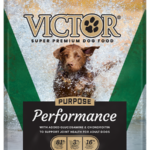 VictorVictor Purpose Performance Joint Health Dry Dog Food
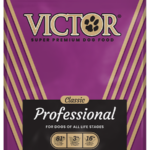 VictorVictor Classic Professional Dry Dog Food
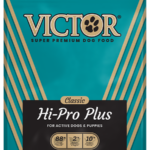 VictorVictor Classic Hi-Pro Plus Dry Dog Food
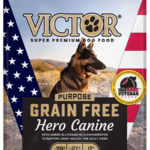 VictorVictor Purpose Grain Free Hero Canine Dry Dog Food
 VictorVictor Raw Blend Farm Chicken Recipe Dry Dog Food
 VictorVictor Raw Blend Ranchers’ Beef Recipe Dry Dog Food
 VictorVictor Select Grain Free Yukon River Canine Dry Dog Food
Sources
What we read
Checked October 1, 2026.