
Ingredient file // Animal protein
Dried Black Soldier Fly Larvae
A useful insect protein with limited dog evidence
These farmed larvae are dried with their fat intact, so they add both protein and energy to kibble. Dogs have digested related larvae meals in short trials. Claims about skin, allergies and gut health go beyond the evidence for whole dried larvae.
- What it is
- Whole farmed black soldier fly larvae dried for use as a protein and fat ingredient.
- Made from
- Farmed black soldier fly larvae
- Main job
- Protein plus fat
- Typical amount
- Not published
- Watch for
- Benefits borrowed from defatted meal studies
- Not the same as
- Defatted larvae meal
Straight answer
Is Dried Black Soldier Fly Larvae safe for dogs?
Read it as protein and fat
If dried larvae sit among the first few ingredients, they meaningfully shape the recipe; farther down, they contribute less. Check the other leading proteins and the food's protein and fat figures. Treat skin, allergy and footprint promises as unproven for this ingredient, and ask the maker about supplier checks if those matter to you.
- Why it is in the food
- Protein plus fat
- How common
- Listed by 2 of the 3,204 foods we track
Our read // In our catalog
In 1 of every 1,602 foods we track
Share of foods that list it
<1%
2 of the 3,204 foods with an ingredient list on file, from 2 brands. All dry dog food.
Each square is 1% of the catalog
Where it sits on the label
Median position 2. In the top five of 2 foods, so it is usually a main ingredient.
Above the salt
Almost always listed before the salt, so there is more of it than a pinch.
Price per lb
Median of the cheapest bag price across 2 priced foods, 55% above the catalog. The price is the food's, not the ingredient's.
Who leans on it
50%
of the foods that list it are from Hill's. 2 brands use it in total.
What it is
How it is made
Insect farms raise larvae on prepared feed, including food processing leftovers. The larvae turn that material into protein and fat. Farms separate and dry them to make an ingredient that stores without refrigeration.4,6,7
- 01 // Source Farmed larvae Growers rear black soldier fly larvae on prepared feed that may include food processing residues.
- 02 // Process Separated and cleaned Harvested larvae are separated from their rearing material before they are processed for feed.
- 03 // Process Heated and dried Heat reduces microbes, while drying removes moisture that would shorten the ingredient's storage life.
- 04 // Output Whole dried larvae The dried larvae retain their fat; extracting it would produce a different ingredient.
What is in it
Composition, dry matter
41
% protein
Average crude protein in Feedipedia's higher fat dried larvae samples. The same samples also average about 36% fat.
These ranges describe dried larvae with substantial fat. Feed, larval age and rearing conditions change the mix. Calcium varies especially widely, making a supplier's analysis more useful than an average.7
Why it is in the bag
What the manufacturer gets
-
01
Adds animal protein
Whole dried larvae bring protein into the recipe. Dog trials found usable protein in larvae meal, although removing fat changes its composition.1,5,7
-
02
Adds fat and energy
Drying whole larvae leaves much of their fat in place. A manufacturer gets an energy source alongside the protein.7
-
03
Uses processing leftovers
Larvae grow on controlled food industry residues. Scale remains a constraint: a World Bank report estimated dried larvae production costs near $3 per kilogram.7,9
How much A 56-dog trial fed partially defatted larvae meal at 5, 10 and 20% of the diet; it did not test whole dried larvae.1
Our read // The claims
What the evidence supports
Strong: controlled studies in dogs agree. Some: small or mixed dog data. Thin: mechanism or lab work only. None: nothing, or the evidence points the other way.
-
Brands say
Dogs digest insect protein well
Evidence
- Strong
- Some
- Thin
- None
A 56-dog trial found no digestibility loss with up to 20% partially defatted larvae meal. A 6-dog comparison found similar nutrient digestibility to a venison diet. Both tested meal rather than whole dried larvae.1,5
-
Brands say
Insect protein improves sensitive skin
Outruns the evidence
Evidence
- Strong
- Some
- Thin
- None
An 8-dog crossover trial found better skin moisture measures on a diet containing defatted larvae meal. The dogs were healthy, the study included insect producer employees, and it did not test treatment of skin disease.3
-
Brands say
It is hypoallergenic for dogs
Outruns the evidence
Evidence
- Strong
- Some
- Thin
- None
In a 4-week trial involving 8 dogs with adverse food reactions, one dog's itch score rose from 3 to 5 and the dog left after 2 weeks. The small study cannot support an allergy-free promise.4
-
Brands say
Chitin improves a dog's gut health
Outruns the evidence
Evidence
- Strong
- Some
- Thin
- None
A 20-dog trial changed fecal microbes when defatted larvae protein replaced chicken meal, but protein digestibility and several fecal short-chain fatty acids fell. It did not isolate chitin or show better gut health.2
-
Brands say
Insect protein always has a smaller footprint
Outruns the evidence
Evidence
- Strong
- Some
- Thin
- None
Feedipedia reports that heating, drying and larval feed affect the result. Some production scenarios have higher impacts than soybean meal or fishmeal, so the ingredient name alone says nothing certain about this food's footprint.7
Straight answers
What owners ask
-
Q01
Is it just filler?
NoWhole dried larvae supply substantial protein and fat. Their contribution to a particular food depends on how high they appear in the ingredient list, which orders ingredients by weight.7,8
-
Q02
Is larvae meal the same?
NoDefatted larvae meal has had much of its fat removed, concentrating the remaining protein. Most cited dog feeding trials used meal, so their findings do not directly test whole dried larvae.1,5,7
-
Q03
Are the larvae fed garbage?
Not necessarilyFarms use prepared feed that may include food processing leftovers. Feed and processing controls matter because contaminated material can introduce microbes or metals. The ingredient name does not disclose those controls.6,7
Who uses it
Brands, best sellers and the company it keeps
Top brands, by foods that list it
Foods that list it / all the brand's recipes we track.
Usually listed with, share of the foods that list it
- Pollock Meal 50%
- Cracked Pearled Barley 50%
- Whole Grain Corn 50%
- Whole Grain Sorghum 50%
- Corn Starch 50%
- Chicken Fat 50%
- Pea Protein 50%
- Soybean Oil 50%
- Dried Beet Pulp 50%
- Peas 50%
- Lentils 50%
- Chickpeas 50%
On the shelf
Foods that list Dried Black Soldier Fly Larvae
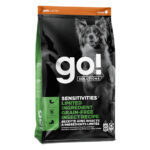
2 foods in our catalog list it, highest on the label first.

Sources
What we read
Checked October 1, 2026.
- 1 Digestibility and safety of dry black soldier fly larvae meal and black soldier fly larvae oil in dogs
- 2 Effects of black soldier fly larvae as protein or fat sources on apparent nutrient digestibility, fecal microbiota, and metabolic profiles in beagle dogs
- 3 Effect of feeding black soldier fly larvae meal based diet on canine skin barrier function, organic antioxidant defence and blood biochemistry
- 4 Black Soldier Fly (Hermetia illucens) Larvae as a Protein Substitute in Adverse Food Reactions for Canine Dermatitis: Preliminary Results Among Patients
- 5 In vivo and in vitro Digestibility of an Extruded Complete Dog Food Containing Black Soldier Fly (Hermetia illucens) Larvae Meal as Protein Source
- 6 Food Safety of Consuming Black Soldier Fly (Hermetia illucens) Larvae: Microbial, Heavy Metal and Cross-Reactive Allergen Risks
- 7 Black soldier fly larvae (Hermetia illucens)
- 8 What’s in the Ingredients List?
- 9 Eco-Friendly Aquafeeds: Reducing the Carbon Footprint of Aquaculture Ingredients Through Innovation