
Ingredient file // Animal protein
Pollock Meal
Real fish protein, with no automatic omega-3 payoff
Pollock meal is pollock processing byproducts, cooked and dried into a concentrated protein that supplies protein and minerals to kibble. Some fish fat remains, but the name alone does not reveal digestibility or how much EPA and DHA the finished food contains.
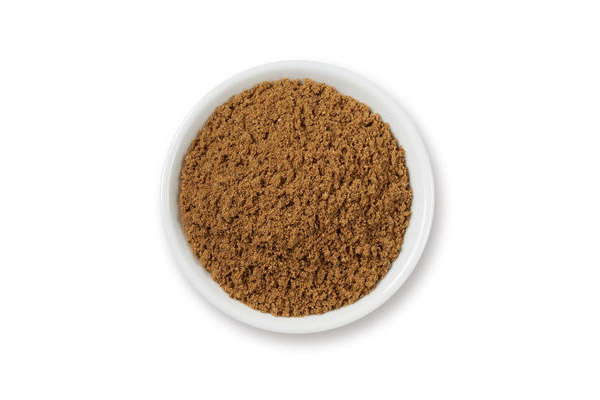
- What it is
- Pollock processing byproducts, cooked, pressed, dried and ground into a concentrated fish protein.
- Made from
- Pollock processing byproducts
- Main job
- Concentrated fish protein
- Typical amount
- No standard; white fish meal was tested at 20%
- Watch for
- Dogs with a diagnosed fish allergy
- Not the same as
- Pollock oil
Straight answer
Is Pollock Meal safe for dogs?
Judge the food, then the fish claim
Pollock meal high on the list contributes meaningful ingredient weight; farther down, it has a smaller role. Compare the other leading ingredients and the food's protein analysis. If the bag promises skin or coat benefits from omega-3s, look for a stated EPA and DHA amount instead of relying on the meal's name.
- Why it is in the food
- Concentrated fish protein
- How common
- Listed by 15 of the 3,204 foods we track
Our read // In our catalog
In 1 of every 214 foods we track
Share of foods that list it
<1%
15 of the 3,204 foods with an ingredient list on file, from 8 brands. All dry dog food.
Each square is 1% of the catalog
Where it sits on the label
Median position 7. In the top five of 6 foods, so it is usually a supporting ingredient.
Above the salt
Almost always listed before the salt, so there is more of it than a pinch.
Price per lb
Median of the cheapest bag price across 13 priced foods, 36% above the catalog. The price is the food's, not the ingredient's.
Who leans on it
33%
of the foods that list it are from Acana. 8 brands use it in total.
What it is
How it is made
Fish meal in general is made by cooking, pressing, drying and milling whole fish or processing byproducts. A 2005 study making Alaska pollock meal used only pollock and cod processing byproducts, the parts left once fillets are cut for people.5,8
- 01 // Source Pollock byproducts One processing study made its pollock fish meal entirely from pollock and cod byproducts, not whole fish.
- 02 // Process Cook and press Cooking releases water and oil; pressing separates the protein-rich solids from the liquid.
- 03 // Process Dry and mill The pressed solids are dried, ground into a meal and stabilized for storage.
- 04 // Output Pollock meal A dry ingredient reaches the kibble plant with concentrated protein, residual fat and minerals.
What is in it
Composition, dry matter
71.7
% protein
Protein in one tested Alaska pollock meal. It is a substantial protein source, though bone content and processing change the mix.
Why it is in the bag
What the manufacturer gets
-
01
Adds fish protein
Cooking, pressing and drying remove much of the water and oil. The remaining meal lets a manufacturer add pollock protein without the weight of fresh fish.3,8
-
02
Supplies some minerals
Bones in the raw material contribute calcium and phosphorus. Their share varies, so more ash can also mean less protein in the meal.3,8
-
03
Uses seafood byproducts
Alaska pollock meal studied in food science research is made from processing byproducts, not whole fish. Trimmings from Alaska's seafood industry are the second largest component of US fish meal production.5,9
How much A senior dog trial fed 20% unspecified white fish meal without changing apparent nutrient digestibility; it did not test a pollock meal feeding level.1
Our read // The claims
What the evidence supports
Strong: controlled studies in dogs agree. Some: small or mixed dog data. Thin: mechanism or lab work only. None: nothing, or the evidence points the other way.
-
Brands say
Pollock meal delivers concentrated fish protein
Evidence
- Strong
- Some
- Thin
- None
One Alaska pollock meal measured 71.7% crude protein on a dry basis. Cooking, pressing and drying concentrate the fish solids. It is a real protein source; the finished food still needs judging as a whole.3,8
-
Brands say
Pollock meal is highly digestible
Outruns the evidence
Evidence
- Strong
- Some
- Thin
- None
One meal's pepsin digestibility of 95.9% came from the supplier's own data sheet, not a measurement in the study. A dog trial found unchanged digestibility with 20% unspecified white fish meal, a different product; another trial used dried pollock, not rendered meal. Neither tests pollock meal's digestibility directly in dogs.1,2,3
-
Brands say
Its omega-3s improve skin and coat
Outruns the evidence
Evidence
- Strong
- Some
- Thin
- None
One meal's fat was 8.3% of dry matter, with omega-3s at 29% of its fatty acids. A 45-dog industry trial fed a different fish meal plus fish oil and measured blood omega-3 levels, not coats. Neither tests skin or coat for pollock meal.3,6
-
Owners say
Fish is safe for every allergic dog
Outruns the evidence
Evidence
- Strong
- Some
- Thin
- None
Fish triggered reactions in 5 of 297 dogs collected from food reaction studies. Those cases do not measure allergy prevalence, but pollock meal is still fish protein and is unsuitable for a dog with a diagnosed fish allergy.7
-
Critics say
Pollock meal is just filler
Outruns the evidence
Evidence
- Strong
- Some
- Thin
- None
A tested meal was 71.7% protein on a dry basis, plus fat and minerals. That gives it a clear nutritional job. The fair question is how much the recipe uses, which the ingredient name cannot answer.3,10
Straight answers
What owners ask
-
Q01
Is it just filler?
NoIt contributes fish protein, fat and minerals. One tested meal was 71.7% protein on a dry basis. Its value in a bag depends on the amount used and the quality of the complete recipe.3
-
Q02
Is it the same as fish oil?
NoMeal production presses out much of the oil as a separate product. Pollock meal retains some fat, but its place on the ingredient list does not reveal the finished food's EPA or DHA content.3,8
-
Q03
Can a fish allergic dog eat it?
NoPollock meal contains fish protein. A dog with a diagnosed fish allergy should avoid it, including in food whose front label highlights another meat. Fish reactions appear in food challenge studies.7
-
Q04
Does first on the list mean best?
NoAAFCO says ingredients appear in order of weight, so a high position tells you the meal contributes substantial weight. It does not tell you the digestibility of that batch or the protein quality of the whole food.8,10
Who uses it
Brands, best sellers and the company it keeps
Top brands, by foods that list it
Foods that list it / all the brand's recipes we track.
Usually listed with, share of the foods that list it
- Chicken Fat 40%
- Mixed Tocopherols 40%
- Herring Meal 33%
- Salmon 27%
- Red Lentils 27%
- Pollock 27%
- Peas 20%
- Whole Herring 20%
- Sunflower Oil 20%
- Catfish Meal 20%
- Natural Flavor 20%
- Chickpeas 13%
On the shelf
Foods that list Pollock Meal
15 foods in our catalog list it, highest on the label first.
 Hill'sHill’s Science Diet Adult Sensitive Stomach & Skin Pollock Meal & Insect Recipe Dry Dog Food
 Solid GoldSolid Gold Fit and Fabulous Alaskan Pollock Dry Dog Food
 Solid GoldSolid Gold Fit and Fabulous Weight Control with Alaskan Pollock Dry Dog Food
 Nature's LogicNature’s Logic Distinction Grain-Free Land & Sea Recipe Dry Dog Food
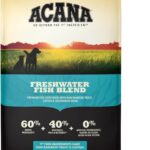
 AcanaAcana Butcher’s Favorites, Wild-Caught Salmon Recipe Dry Dog Food
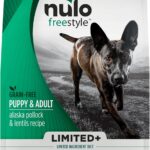 NuloNulo FreeStyle Limited+ Alaska Pollock & Lentils Recipe Grain-Free Dry Dog Food
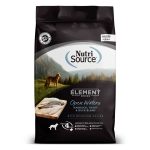 NutriSourceNutriSource Element Series Open Waters Recipe Dry Dog Food
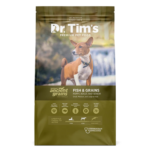 Dr. Tim'sDr. Tim’s Heirloom Ancient Fish & Grains Dry Dog Food
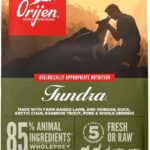 OrijenOrijen Tundra Dry Dog Food
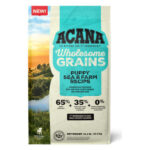 AcanaAcana Wholesome Grains Sea to Farm Puppy Recipe Dry Dog Food
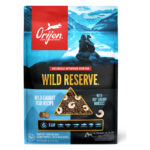 OrijenOrijen Wild Reserve, Wild-Caught Fish Recipe Grain-Free Dry Dog Food
 Nature's LogicNature’s Logic Distinction Grain-Free Canine Fowl Recipe Dry Dog Food
Sources
What we read
Checked October 1, 2026.
- 1 Fish protein substrates can substitute effectively for poultry by-product meal when incorporated in high-quality senior dog diets
- 2 Nutritional Evaluation of Diverse Protein Sources for Companion Dogs
- 3 Effects of Dietary Fish Meal Replacement with Alternative Protein Ingredients and Their Combinations on Growth Performance, Feed Utilization, Fillet Composition, and Biochemical Parameters of Red Seabream (Pagrus major)
- 4 Combined Replacement of Fishmeal and Fish Oil by Poultry Byproduct Meal and Mixed Oil: Effects on the Growth Performance, Body Composition, and Muscle Quality of Tiger Puffer
- 5 Functional, thermal, and rheological properties of alaska white fish meal made from processing byproducts
- 6 Comparison of Fish, Krill and Flaxseed as Omega-3 Sources to Increase the Omega-3 Index in Dogs
- 7 Critically appraised topic on adverse food reactions of companion animals (2): common food allergen sources in dogs and cats
- 8 Fish meal
- 9 Feeds for Aquaculture
- 10 What's in the Ingredients List?
- 11 Chemical Contaminants