
Ingredient file // Other
Enterococcus Faecium Fermentation Product Dehydrated
A dried ferment without a proven gut payoff
This dried fermentation material comes from an Enterococcus faecium culture and includes the spent medium. Makers use it in foods sold for gut support, but the ingredient name gives no live dose, and dog trials have not tested this exact dried product.
- What it is
- Material from an Enterococcus faecium culture, dried with both the fermentation solids and liquid.
- Made from
- Enterococcus faecium and nutrient medium
- Main job
- Dried fermentation material
- Typical amount
- Not published
- Watch for
- Gut claims without a specified active ingredient
- Not the same as
- A guaranteed live probiotic
Straight answer
Is Enterococcus Faecium Fermentation Product Dehydrated safe for dogs?
Ask what supports the gut claim
Read this as dried fermentation material. Its place on an ingredient list does not reveal a probiotic dose or predict diarrhea relief. If the bag promises gut benefits, look for a named live strain with a viable cell guarantee, or evidence for a specified fermentation compound. Judge the food by its complete nutrition.
- Why it is in the food
- Dried fermentation material
- Watch for
- Diarrhea needing care
- How common
- Listed by 19 of the 3,204 foods we track
Our read // In our catalog
In 1 of every 169 foods we track
Share of foods that list it
<1%
19 of the 3,204 foods with an ingredient list on file, from 2 brands. All dry dog food.
Each square is 1% of the catalog
Where it sits on the label
Median position 28. In the top five of 0 foods, so it is usually a minor ingredient.
Above the salt
Usually listed after the salt, which caps it at roughly 1% of the recipe in 100% of foods.
Price per lb
Median of the cheapest bag price across 6 priced foods, about level with the catalog. The price is the food's, not the ingredient's.
Who leans on it
79%
of the foods that list it are from AvoDerm. 2 brands use it in total.
What it is
How it is made
Feed makers grow a selected Enterococcus faecium strain in nutrient medium to produce fermentation substances or metabolites. Drying the culture's solids and liquid together gives a dry ingredient that blends into feed.5,6
- 01 // Source Culture and medium A selected strain grows in nutrient medium supplied for fermentation.
- 02 // Process Fermented The growing culture produces microbial material and fermentation substances.
- 03 // Process Dried together Both the solid and liquid portions are dried, rather than separating out a purified compound.
- 04 // Output Dried ferment The food maker receives dried culture material; the ingredient name specifies neither a strain nor an active dose.
What is in it
Composition, as fed
1
% min protein
The protein guarantee on one commercial blend that contains this ferment. Nobody buys it for nutrition, and no source analyzes the ferment alone.
Why it is in the bag
What the manufacturer gets
-
01
Adds fermentation material
The dried ingredient carries culture solids and spent medium into a recipe. Its name does not identify a particular metabolite or tell an owner how much is present.5,6
-
02
Supports gut marketing
A brand lists it alongside other fermentation products and describes the blend as probiotic support. That association does not show this specific dried material improves a dog's digestion.5,9
-
03
Ships in dry blends
A supplier includes it in a dry feed blend sold in bags and bulk quantities. No opened source gives a standalone price or production volume for this ingredient.10
How much No opened source gives a typical recipe percentage for this exact dried ingredient; live cell doses from trials are not an inclusion rate for it.4,5,6
Our read // The claims
What the evidence supports
Strong: controlled studies in dogs agree. Some: small or mixed dog data. Thin: mechanism or lab work only. None: nothing, or the evidence points the other way.
-
Brands say
It prevents diarrhea in dogs
Outruns the evidence
Evidence
- Strong
- Some
- Thin
- None
A shelter trial found less diarrhea with a live synbiotic, while a trial involving 419 treated puppies and 412 controls found no preventive benefit. Neither tested this dried fermentation product, so neither supports a prevention claim for it.1,2,5
-
Brands say
It shortens diarrhea once it starts
Outruns the evidence
Evidence
- Strong
- Some
- Thin
- None
A randomized trial reported median diarrhea lasting 32 hours with a multi-ingredient paste versus 47 hours with placebo. The paste contained a live strain and other ingredients; its result cannot be assigned to this dried ferment.3,5
-
Brands say
It strengthens a dog's immune defenses
Outruns the evidence
Evidence
- Strong
- Some
- Thin
- None
EFSA reported higher IgA immune markers in studies of a named live strain, including a trial with 16 puppies. Those markers did not measure resistance to illness, and the studies did not test this dried ingredient.4,5
-
Owners say
The ingredient name guarantees live good bacteria
Outruns the evidence
Evidence
- Strong
- Some
- Thin
- None
Canada's definition for this exact ingredient says it is not a source of viable cells. AAFCO's definition for fermentation products guarantees cell count only where applicable, and FDA discusses a specific viable-count guarantee as one possible approach to label accuracy, not as a rule this ingredient must meet. The name alone promises no live cells.5,6,7
Straight answers
What owners ask
-
Q01
Is it just filler?
NoIt is dried culture material intended for use in feed, rather than an ingredient chosen for bulk. That gives it a defined purpose, but no dog study shows that this exact product delivers a health benefit.5,6
-
Q02
Does it contain live bacteria?
Not assuredDo not read a live culture promise into this name. Canada's definition says the dried product is not a source of viable cells, and AAFCO guarantees a cell count only where applicable, so a viable count is not automatic.5,6
-
Q03
Will it settle loose stools?
UnprovenDog trials tested live synbiotics or a multi-ingredient paste, with mixed results. None tested this exact dried ferment in kibble. Treat a stool claim for this ingredient as unproven.1,2,3,5
Who uses it
Brands, best sellers and the company it keeps
Top brands, by foods that list it
Foods that list it / all the brand's recipes we track.
Usually listed with, share of the foods that list it
- Mixed Tocopherols 100%
- Avocado 79%
- Dried Tomato Pomace 79%
- Peas 74%
- Pea Flour 74%
- Chicken Fat 74%
- Natural Flavor 68%
- Garbanzo Beans 58%
- Flax Seed 58%
- Chicken Meal 32%
- Canola Oil 26%
- Brown Rice 26%
On the shelf
Foods that list Enterococcus Faecium Fermentation Product Dehydrated
19 foods in our catalog list it, highest on the label first.
 PinnaclePinnacle Grain-Free Duck & Sweet Potato Recipe Dry Dog Food
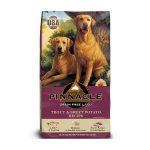 PinnaclePinnacle Grain-Free Trout & Sweet Potato Recipe Dry Dog Food
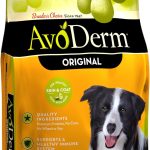 AvoDermAvoDerm Original Adult Chicken Meal & Brown Rice Recipe Dry Dog Food
 AvoDermAvoDerm Grain-Free Beef & Vegetables Recipe Dry Dog Food
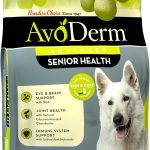 AvoDermAvoDerm Advanced Senior Health+ Grain-Free Lamb & Chicken Meal Formula Dry Dog Food
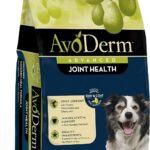 AvoDermAvoDerm Advanced Joint Health Grain-Free Chicken Meal Formula Dry Dog Food
Show 13 more
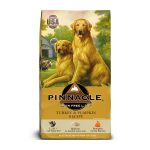 PinnaclePinnacle Grain-Free Turkey & Pumpkin Recipe Dry Dog Food
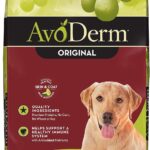 AvoDermAvoDerm Original Lamb Meal & Brown Rice Recipe Dry Dog Food
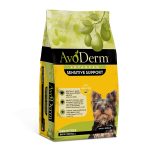 AvoDermAvoDerm Advanced Sensitive Support Grain-Free Small Breed Beef Formula Dry Dog Food
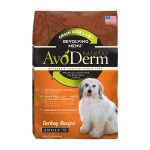 AvoDermAvoDerm Natural Grain-Free Limited Ingredient Diet Revolving Menu Turkey Recipe Dry Dog Food
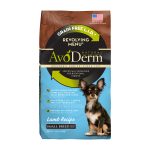 AvoDermAvoDerm Natural Small Breed, Grain-Free Limited Ingredient Revolving Menu Lamb Recipe Dry Dog Food
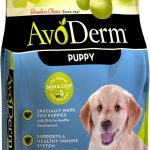 AvoDermAvoDerm Puppy Chicken Meal & Brown Rice Formula Dry Dog Food
 AvoDermAvoDerm Advanced Sensitive Support Grain-Free Small Breed Turkey Formula Dry Dog Food
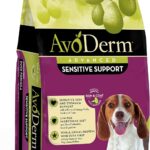 AvoDermAvoDerm Advanced Sensitive Support Grain-Free Duck Formula Dry Dog Food
 AvoDermAvoDerm Limited Ingredient Diet Grain-Free Lamb & Sweet Potato Formula Dry Dog Food
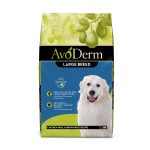 AvoDermAvoDerm Large Breed Chicken Meal & Brown Rice Recipe Dry Dog Food
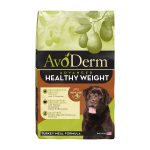 AvoDermAvoDerm Advanced Healthy Weight Grain-Free Turkey Meal Formula Dry Dog Food
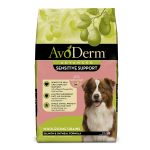 AvoDermAvoDerm Advanced Sensitive Support Wholesome Grains Salmon & Oatmeal Formula Dry Dog Food
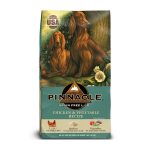 PinnaclePinnacle Grain-Free Chicken & Vegetable Recipe Dry Dog Food
On labels as
Other names for this
Manufacturers do not all use the same wording. These all mean the same thing.
Sources
What we read
Checked October 1, 2026.
- 1 Efficacy of a Probiotic-Prebiotic Supplement on Incidence of Diarrhea in a Dog Shelter: A Randomized, Double-Blind, Placebo-Controlled Trial
- 2 Randomised controlled trial finds no evidence that a synbiotic improves health in assistance dog puppies
- 3 Efficacy of an orally administered anti-diarrheal probiotic paste (Pro-Kolin Advanced) in dogs with acute diarrhea: A randomized, placebo-controlled, double-blinded clinical study
- 4 Scientific Opinion on the safety and efficacy of Cylactin® (Enterococcus faecium) as a feed additive for cats and dogs
- 5 Canadian Feed Ingredients Table (CFIT)
- 6 Official Names and Definitions of Feed Ingredients
- 7 CPG Sec. 689.100 Direct-Fed Microbial Products
- 8 Diarrhea or Vomiting
- 9 ANNAMAET IMPACT
- 10 Primary Product Options