
Ingredient file // Grain
Ground Whole Grain Wheat
Useful kibble starch with modest whole grain extras
Ground whole grain wheat is a milled wheat kernel with its bran and germ retained. In kibble, it mainly supplies starch for energy and structure, plus some protein and fiber. Its whole grain name does not promise a special health benefit.

- What it is
- Wheat kernels ground with the starchy center, bran and germ still represented.
- Made from
- Cleaned whole wheat kernels
- Main job
- Starch for energy and structure
- Typical amount
- No usual amount published; dog trials tested 25 to 30%
- Watch for
- A diagnosed wheat reaction
- Not the same as
- Wheat bran
Straight answer
Is Ground Whole Grain Wheat safe for dogs?
Read the surrounding ingredients before judging wheat
Ground whole grain wheat high on the list means it outweighs what follows, nothing more; the list gives no amount, even for the first ingredient. Check the other protein sources and the food's analysis. Keep wheat in consideration unless your dog has a diagnosed reaction, and give no extra credit for gut or blood sugar promises.
- Why it is in the food
- Starch for energy and structure
- How common
- Listed by 12 of the 3,204 foods we track
Our read // In our catalog
In 1 of every 267 foods we track
Share of foods that list it
<1%
12 of the 3,204 foods with an ingredient list on file, from 1 brand. All dry dog food.
Each square is 1% of the catalog
Where it sits on the label
Median position 7. In the top five of 3 foods, so it is usually a supporting ingredient.
Above the salt
Listed before the salt in 75% of foods. In the rest it is under about 1% of the recipe.
Price per lb
Median of the cheapest bag price across 12 priced foods, 63% below the catalog. The price is the food's, not the ingredient's.
Who leans on it
100%
of the foods that list it are from Pedigree. 1 brand use it in total.
What it is
How it is made
Wheat is harvested as a grain crop. Mills clean and grind the kernels for food or feed. Ground whole grain wheat retains the bran and germ alongside the starchy center rather than separating them for refined flour.9,10
- 01 // Source Wheat kernels Each harvested kernel contains a starchy center, an outer bran layer and a germ.
- 02 // Process Cleaned The mill screens the wheat to remove coarse and fine material before grinding.
- 03 // Process Ground Milling reduces the kernels to smaller particles while retaining their bran, germ and starchy center.
- 04 // Output Ground whole wheat The dry ground grain reaches the kibble plant ready to be mixed and cooked with other ingredients.
What is in it
Composition, dry matter
69
% starch
Average starch in wheat grain on a dry matter basis. Starch is its main contribution to kibble, even with the bran and germ retained.
Why it is in the bag
What the manufacturer gets
-
01
Supplies starch energy
Wheat is mostly starch. Cooking starch during extrusion makes it more accessible to digestive enzymes, giving the finished food a usable energy source.5,6
-
02
Helps form kibble
Cooked starch helps bind the food as it passes through the extruder. Wheat contributes starch to that structure, alongside whatever other grains or starches the recipe uses.5,6
-
03
Fits grain budgets
Wheat is a feed grain whose use depends partly on its price relative to corn, barley and sorghum. That makes cost, as well as formulation, a reason to choose it.7
How much Dog trials tested whole wheat at 25% and wheat grain at 30% of extruded diets; neither figure describes a usual recipe amount.1,2,3
Our read // The claims
What the evidence supports
Strong: controlled studies in dogs agree. Some: small or mixed dog data. Thin: mechanism or lab work only. None: nothing, or the evidence points the other way.
-
Brands say
Wheat supplies useful energy in kibble
Evidence
- Strong
- Some
- Thin
- None
Wheat grain averages about 69% starch on a dry basis. In a trial with 18 dogs, food containing 30% wheat produced fecal consistency similar to foods with rye or triticale. That supports its use in a complete recipe.1,6
-
Owners say
Wheat is a common food allergy trigger
Outruns the evidence
Evidence
- Strong
- Some
- Thin
- None
A review counted wheat reactions in 38 of 297 dogs already known to have food reactions. It does not show that wheat allergy is common among dogs generally, and previous exposure to wheat was often unknown.4
-
Brands say
Whole wheat improves a dog's gut health
Outruns the evidence
Evidence
- Strong
- Some
- Thin
- None
In an 18-dog crossover study, microbial diversity was higher after the whole wheat diet than after rye. The study measured fecal bacteria, not better health, and its authors said the health meaning remains unclear.3
-
Brands say
Whole wheat keeps blood sugar steady
Outruns the evidence
Evidence
- Strong
- Some
- Thin
- None
An 18-dog crossover study found no main diet effect on postmeal blood response curves, but glucose area under the curve was higher after oats than after wheat. It did not compare whole wheat with refined wheat or show lasting health benefits.2
-
Critics say
Wheat is empty filler
Outruns the evidence
Evidence
- Strong
- Some
- Thin
- None
Wheat grain averages about 69% starch and 13% crude protein on a dry basis. Dogs ate an extruded diet containing 30% wheat with fecal consistency similar to the comparison diets. Wheat supplies food, not empty bulk.1,6
Straight answers
What owners ask
-
Q01
Is it just filler?
NoWheat supplies starch for energy, some protein and fiber, and starch that helps hold kibble together. It is mainly an energy ingredient. Judge its place in the recipe alongside the other ingredients and the food's analysis.5,6
-
Q02
Is it different from wheat bran?
YesGround whole wheat retains the starchy center, bran and germ together. Wheat bran is a part separated during flour milling. Whole wheat mainly supplies starch; bran is a more concentrated fiber ingredient.6,10
-
Q03
Should I avoid wheat for allergies?
Only if diagnosedSome dogs with proven food reactions react to wheat, but their numbers do not predict your dog's risk. If an elimination diet followed by a challenge identifies wheat as the trigger, avoid ground whole grain wheat.4
-
Q04
Does wheat first mean little meat?
Not necessarilyIngredients are listed by weight, but the list gives no amounts. Wheat first means it outweighs each single ingredient below it. Read the other protein sources and the food's analysis before judging the recipe.9
Who uses it
Brands, best sellers and the company it keeps
Top brands, by foods that list it
Foods that list it / all the brand's recipes we track.
Amazon best sellers that list it
- #12 Pedigree Adult Grilled Steak & Vegetable Flavor Dry Dog Food
- #41 Pedigree Small Dog Grilled Steak and Vegetable Flavor Dry Dog Food
- #73 Pedigree Puppy Chicken & Vegetable Flavor Dry Dog Food
Rank on Amazon's dog food best seller list, checked October 2026.
Usually listed with, share of the foods that list it
- Whole Grain Ground Corn 100%
- Corn Gluten Meal 100%
- Animal Fat 100%
- Soybean Meal 100%
- Natural Flavor 100%
- Meat and Bone Meal 92%
- Chicken By-Product Meal 92%
- BHA 67%
- Citric Acid 67%
- Salt 67%
- Dried Plain Beet Pulp 58%
- Brewers Rice 58%
On the shelf
Foods that list Ground Whole Grain Wheat
12 foods in our catalog list it, highest on the label first.
 PedigreePedigree Puppy Chicken & Vegetable Flavor Dry Dog Food
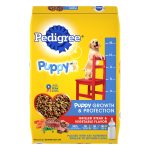 PedigreePedigree Puppy Grilled Steak & Vegetable Flavor Dry Dog Food
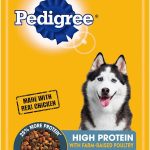 PedigreePedigree High Protein Chicken & Turkey Flavor Dry Dog Food
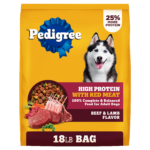 PedigreePedigree High Protein Beef and Lamb Flavor Dry Dog Food
Show 8 more
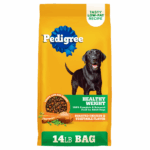 PedigreePedigree Healthy Weight Roasted Chicken, & Vegetable Flavor Dry Dog Food
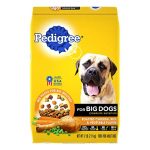 PedigreePedigree Big Dogs Roasted Chicken, Rice & Vegetable Dry Dog Food
 PedigreePedigree Small Dog Grilled Steak and Vegetable Flavor Dry Dog Food
 PedigreePedigree Tender Bites for Small Dogs Chicken & Steak Flavor Dry Dog Food
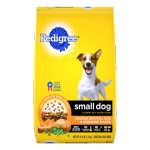 PedigreePedigree Small Dog Roasted Chicken, Rice & Vegetable Flavor Dry Dog Food
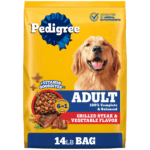 PedigreePedigree Adult Grilled Steak & Vegetable Flavor Dry Dog Food
 PedigreePedigree Adult, Roasted Chicken & Vegetable Dry Dog Food
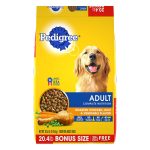 PedigreePedigree Adult Roasted Chicken, Rice & Vegetable Flavor Dry Dog Food
Leaving it out
Foods without wheat
For owners who skip wheat: popular dry foods priced like the ones that list it ($0.85 to $1.70 per lb), with no wheat on the label.
 DiamondDiamond Naturals Skin & Coat Formula All Life Stages Salmon & Potato Formula Dry Dog Food
 IamsIams Proactive Health MiniChunks Chicken & Whole Grains Dry Dog Food
 Rachael Ray NutrishRachael Ray Nutrish Real Beef, Pea & Brown Rice Recipe Dry Dog Food
 IamsIams Adult Large Breed Dry Dog Food
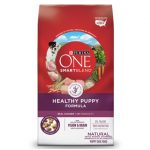 PurinaPurina One SmartBlend Healthy Puppy Formula Premium Dry Dog Food
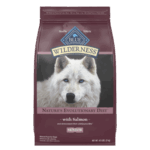 BlueBlue Wilderness Senior Salmon Wholesome Grain Recipe Dry Dog Food
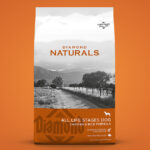 Diamond NaturalsDiamond>Naturals Diamond Naturals All Life Stages Dog Chicken & Rice Formula Dry Dog Food
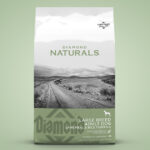 Diamond NaturalsDiamond>Naturals Diamond Naturals Large Breed Adult Dog Lamb Meal & Rice Formula Dry Dog Food
Checked against the ingredient list we store for each food. Labels change, so read the bag before you buy.
Sources
What we read
Checked October 1, 2026.
- 1 Effects of wheat, rye, and triticale grains on digestion, fecal quality, and health parameters in dogs
- 2 Metabolic and hormonal effects of whole grains of rye, oats and wheat in dog food
- 3 Effects of whole-grain cereals on fecal microbiota and short-chain fatty acids in dogs: a comparison of rye, oats and wheat
- 4 Critically appraised topic on adverse food reactions of companion animals (2): common food allergen sources in dogs and cats
- 5 Processing of corn-based dog foods through pelleting, baking and extrusion and their effect on apparent total tract digestibility and colonic health of adult dogs
- 6 Wheat grain
- 7 Wheat grain
- 8 Chemical Contaminants
- 9 Reading Labels
- 10 Flour - Food Source Information