
Ingredient file // Other
Lactobacillus Acidophilus Fermentation Product Dehydrated
A dried digestive extra with limited proof
This is dried material produced by growing Lactobacillus acidophilus and processing the culture. Depending on the supplier, it may contain bacterial material, growth medium residues or fermentation compounds. A dog trial found better measured digestibility, but no improvement in stool quality.
- What it is
- A dried product of an acidophilus culture, with components that depend on how the supplier processes it.
- Made from
- Acidophilus culture and nutrient medium
- Main job
- Digestive support additive
- Typical amount
- Patent proposes 0.2 to 0.7% dry matter
- Watch for
- No guaranteed live bacteria from this name
- Not the same as
- Live probiotic culture
Straight answer
Is Lactobacillus Acidophilus Fermentation Product Dehydrated safe for dogs?
Judge the food before the fermentate
When this name appears among minor additives, judge the meat, starch and fat above it first. Treat the fermentate as a possible digestive extra, not a promise of firm stools. If live probiotics matter to you, check the bag for a separate live-cell guarantee.
- Why it is in the food
- Digestive support additive
- Watch for
- Persistent loose stool
- How common
- Listed by 19 of the 3,204 foods we track
Our read // In our catalog
In 1 of every 169 foods we track
Share of foods that list it
<1%
19 of the 3,204 foods with an ingredient list on file, from 2 brands. All dry dog food.
Each square is 1% of the catalog
Where it sits on the label
Median position 25. In the top five of 0 foods, so it is usually a minor ingredient.
Above the salt
Usually listed after the salt, which caps it at roughly 1% of the recipe in 100% of foods.
Price per lb
Median of the cheapest bag price across 6 priced foods, about level with the catalog. The price is the food's, not the ingredient's.
Who leans on it
79%
of the foods that list it are from AvoDerm. 2 brands use it in total.
What it is
How it is made
Feed additive makers grow acidophilus in a nutrient medium to produce fermentation substances. They dry the resulting material for feed. Some makers may concentrate or purify it first, so the ingredient name does not specify everything left in the powder.3,5
- 01 // Source Acidophilus culture The bacteria are grown in a nutrient medium chosen for the intended fermentation product.
- 02 // Process Fermentation The culture produces substances that may be retained alongside bacterial material in the finished ingredient.
- 03 // Process Processed and dried The maker may concentrate or purify the culture material before drying it for feed.
- 04 // Output Dried fermentate The powder is ready for mixing into food; its ingredient name gives no live-cell guarantee.
What is in it
Composition, dry matter
85-95
% PG (dry wt)
The peptidoglycan (PG) share a pet food maker's patent proposes for the dried fermentate, not a measured range for every product sold under this name.
All three rows come from a pet food maker's patent, not an independent assay across makers of this ingredient. The 90% figure is the patent's estimate for one named supplier's product, TransAgra's Culbac; the 85 to 95% and 80% figures are the patent's broader proposed ranges. No published protein, fat or fiber breakdown covers the powder as commonly sold.3,5
Why it is in the bag
What the manufacturer gets
-
01
Sells digestive support
Brands add this fermentate for gut health claims. One short dog trial found higher apparent digestibility, while its stool and dysbiosis measures stayed unchanged.1,6
-
02
Fits dry food
A nonviable fermentate does not depend on live cells surviving storage. The supplier describes its dry product as stable without refrigeration.5,6
-
03
Uses little recipe space
A pet food maker's patent proposes a small addition, leaving most of the recipe for protein, fat and starch. That is a formulation advantage, not evidence of a health benefit.5
How much A patent proposes 0.2 to 0.7% of a finished food on a dry matter basis; typical commercial use is unpublished.5
Our read // The claims
What the evidence supports
Strong: controlled studies in dogs agree. Some: small or mixed dog data. Thin: mechanism or lab work only. None: nothing, or the evidence points the other way.
-
Brands say
Helps dogs digest their food
Outruns the evidence
Evidence
- Strong
- Some
- Thin
- None
In a short crossover trial with 24 dogs, a nonviable acidophilus product increased measured digestibility of dry matter, protein and energy. The company-authored study does not show that every supplier's fermentate gives the same result.1
-
Brands say
Balances beneficial gut bacteria
Outruns the evidence
Evidence
- Strong
- Some
- Thin
- None
In a 24-dog crossover trial, a separate prebiotic blend drove most measured microbiome changes. A later trial found no change in dogs' dysbiosis index. Neither shows this ingredient alone restoring gut balance.1,2
-
Brands say
Firms up loose stools
Outruns the evidence
Evidence
- Strong
- Some
- Thin
- None
The short crossover trial included 12 dogs with chronic diarrhea. Their measured digestibility improved, but the acidophilus product did not change fecal scores. That result does not support a firm-stool promise.1
-
Brands say
Boosts a dog's gut immunity
Outruns the evidence
Evidence
- Strong
- Some
- Thin
- None
The later dog trial found no change in fecal IgA, an immune marker. In the earlier 24-dog study, IgA rose with the separate prebiotic blend, not with the acidophilus fermentate alone.1,2
-
Brands say
Supplies live probiotic bacteria
Outruns the evidence
Evidence
- Strong
- Some
- Thin
- None
The ingredient name identifies a dried fermentation product, not a live dose. FDA guidance calls for a colony-forming-unit guarantee when live cells are claimed. The acidophilus products tested in the cited dog trials were nonviable.1,2,3,4
Straight answers
What owners ask
-
Q01
Is it just filler?
NoIt is added in small amounts for a proposed digestive effect, and one dog trial measured better digestibility. It is not a useful way to judge the food's protein or energy supply.1,5
-
Q02
Are the bacteria alive?
Not assuredDrying and an acidophilus name do not tell you how many live cells remain in the food. If you want a live probiotic, look for a separate guarantee stated in colony-forming units.3,4
-
Q03
Will it stop diarrhea?
No proofDogs with chronic diarrhea took part in a short trial, and their stool scores did not improve with the fermentate. Ongoing diarrhea needs a diagnosis; this ingredient is not a treatment.1
Who uses it
Brands, best sellers and the company it keeps
Top brands, by foods that list it
Foods that list it / all the brand's recipes we track.
Usually listed with, share of the foods that list it
- Mixed Tocopherols 100%
- Avocado 79%
- Dried Tomato Pomace 79%
- Peas 74%
- Pea Flour 74%
- Chicken Fat 74%
- Natural Flavor 68%
- Garbanzo Beans 58%
- Flax Seed 58%
- Chicken Meal 32%
- Canola Oil 26%
- Brown Rice 26%
On the shelf
Foods that list Lactobacillus Acidophilus Fermentation Product Dehydrated
19 foods in our catalog list it, highest on the label first.
 PinnaclePinnacle Grain-Free Duck & Sweet Potato Recipe Dry Dog Food
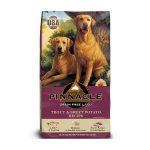 PinnaclePinnacle Grain-Free Trout & Sweet Potato Recipe Dry Dog Food
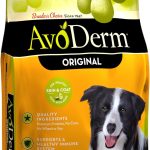 AvoDermAvoDerm Original Adult Chicken Meal & Brown Rice Recipe Dry Dog Food
 AvoDermAvoDerm Grain-Free Beef & Vegetables Recipe Dry Dog Food
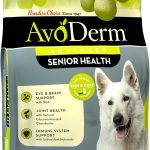 AvoDermAvoDerm Advanced Senior Health+ Grain-Free Lamb & Chicken Meal Formula Dry Dog Food
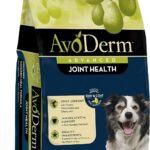 AvoDermAvoDerm Advanced Joint Health Grain-Free Chicken Meal Formula Dry Dog Food
Show 13 more
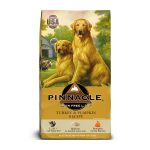 PinnaclePinnacle Grain-Free Turkey & Pumpkin Recipe Dry Dog Food
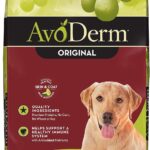 AvoDermAvoDerm Original Lamb Meal & Brown Rice Recipe Dry Dog Food
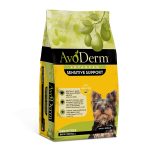 AvoDermAvoDerm Advanced Sensitive Support Grain-Free Small Breed Beef Formula Dry Dog Food
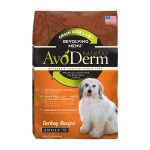 AvoDermAvoDerm Natural Grain-Free Limited Ingredient Diet Revolving Menu Turkey Recipe Dry Dog Food
 AvoDermAvoDerm Natural Small Breed, Grain-Free Limited Ingredient Revolving Menu Lamb Recipe Dry Dog Food
 AvoDermAvoDerm Puppy Chicken Meal & Brown Rice Formula Dry Dog Food
 AvoDermAvoDerm Advanced Sensitive Support Grain-Free Small Breed Turkey Formula Dry Dog Food
 AvoDermAvoDerm Advanced Sensitive Support Grain-Free Duck Formula Dry Dog Food
 AvoDermAvoDerm Limited Ingredient Diet Grain-Free Lamb & Sweet Potato Formula Dry Dog Food
 AvoDermAvoDerm Large Breed Chicken Meal & Brown Rice Recipe Dry Dog Food
 AvoDermAvoDerm Advanced Healthy Weight Grain-Free Turkey Meal Formula Dry Dog Food
 AvoDermAvoDerm Advanced Sensitive Support Wholesome Grains Salmon & Oatmeal Formula Dry Dog Food
 PinnaclePinnacle Grain-Free Chicken & Vegetable Recipe Dry Dog Food
On labels as
Other names for this
Manufacturers do not all use the same wording. These all mean the same thing.
Sources
What we read
Checked October 1, 2026.
- 1 Effects of a nonviable Lactobacillus acidophilus on apparent total tract nutrient digestibility, fecal characteristic, fecal fermentative end-products, and dysbiosis index in healthy and chronic diarrhea-affected dogs and cats
- 2 Altered fecal microbiota, IgA, and fermentative end-products in adult dogs fed prebiotics and a nonviable Lactobacillus acidophilus
- 3 Official Names and Definitions of Feed Ingredients
- 4 CPG Sec. 689.100 Direct-Fed Microbial Products
- 5 Pet food composition
- 6 Culbac Animal Dry - Nutritional Feed Supplement for Livestock