
Ingredient file // Animal protein
Pork Kidney
Useful organ protein, no special kidney benefit
Pork kidney is a moist organ collected during pig processing. It contributes animal protein and minerals to dog food, but the label does not disclose its amount, and no study shows that eating it helps a dog's kidneys.
- What it is
- Pig kidney tissue separated during slaughter and used as a named animal ingredient in pet food.
- Made from
- Kidneys from slaughtered pigs
- Main job
- Animal protein and minerals
- Typical amount
- Not published
- Watch for
- Dogs on phosphorus-controlled renal diets
- Not the same as
- Pork meal
Straight answer
Is Pork Kidney safe for dogs?
Read the recipe, not the organ promise
Pork kidney is a named animal ingredient with protein and minerals. Read the ingredients around it, then check the complete food's nutrient analysis and adequacy statement. Its water adds to its listed weight, while the label leaves its actual amount unknown. Ignore promises of kidney-specific health effects.
- Why it is in the food
- Animal protein and minerals
- How common
- Listed by 17 of the 3,204 foods we track
Our read // In our catalog
In 1 of every 188 foods we track
Share of foods that list it
<1%
17 of the 3,204 foods with an ingredient list on file, from 7 brands. 6 dry dog food, 5 wet dog food, 3 frozen dog food.
Each square is 1% of the catalog
Where it sits on the label
Median position 5. In the top five of 10 foods, so it is usually a main ingredient.
Above the salt
Almost always listed before the salt, so there is more of it than a pinch.
Price per lb
Median of the cheapest bag price across 6 priced foods, 38% above the catalog. The price is the food's, not the ingredient's.
Who leans on it
29%
of the foods that list it are from Hill's. 7 brands use it in total.
What it is
How it is made
Pig slaughter produces kidneys alongside meat cuts. Processors can sell the separate organs for food or pet food instead of sending them into rendering. One pet food supplier ships them frozen.6,10
- 01 // Source Slaughtered pigs Kidneys are available when pigs are processed for meat, alongside other organs and cuts.
- 02 // Process Organs separated Processors remove kidneys during slaughter and keep them apart for sale as organ tissue.
- 03 // Process Inspected and frozen One pet food supplier cuts kidneys lengthwise for inspection and freezes them for delivery.
- 04 // Output Raw pork kidney Moist, named kidney tissue reaches the pet food maker without being rendered into meal.
What is in it
Composition, dry matter
67
% protein
A raw pork kidney reference converts to about 67% protein after its water is removed. The finished food gets less if little kidney is used.
Why it is in the bag
What the manufacturer gets
-
01
Adds animal protein
Kidney contains protein, but also plenty of water. Its position on an ingredient list reflects raw weight and does not reveal its protein contribution after cooking.5,7
-
02
Supplies organ nutrients
Kidney brings phosphorus, iron, selenium and vitamin B12. A manufacturer can count those nutrients toward the full recipe, although the label does not assign nutrient amounts to individual ingredients.5,7
-
03
Creates an outlet for organs
Kidneys are collected during pig processing whether or not people buy them. Selling them for pet food gives processors another market instead of sending the tissue to rendering.6,11
How much A pet food supplier sells whole pork kidney, but publishes no recipe inclusion rate; its amount in a finished food remains unknown.7,10
Our read // The claims
What the evidence supports
Strong: controlled studies in dogs agree. Some: small or mixed dog data. Thin: mechanism or lab work only. None: nothing, or the evidence points the other way.
-
Brands say
Pork kidney adds real animal protein
Evidence
- Strong
- Some
- Thin
- None
The government reference lists 14.1 g protein per 100 g raw kidney, about 67% of its dry matter. Kidney is protein-bearing tissue, but an undisclosed recipe amount prevents a bowl-level estimate.5
-
Brands say
Pork kidney supplies vitamin B12 and selenium
Evidence
- Strong
- Some
- Thin
- None
The reference lists 15.0 micrograms of vitamin B12 and 240 micrograms of selenium per 100 g raw kidney. Both are present; an ingredient list cannot tell how much the finished serving supplies.5,7
-
Brands say
Pork kidney makes dog food tastier
Outruns the evidence
Evidence
- Strong
- Some
- Thin
- None
A 40-dog panel ate more of a diet with processed animal protein, a rendered meal, as its first ingredient than one with mechanically separated chicken meat (P<0.001). Pork kidney was not an ingredient in either diet, so the trial gives no evidence for this ingredient.1
-
Owners say
Eating kidney supports a dog's kidneys
Outruns the evidence
Evidence
- Strong
- Some
- Thin
- None
A 36-dog trial followed a complete therapeutic renal food without an untreated control group. It did not test pork kidney. Renal care concerns the nutrient profile of the whole diet, especially phosphorus.2,9
-
Critics say
Pork kidney is poisonous because it filters waste
Outruns the evidence
Evidence
- Strong
- Some
- Thin
- None
A study of 124 wild boars found metals in kidney tissue, making sourcing relevant. It did not test commercial pork kidney or dog food, and it does not show that this ingredient is poisonous.4
Straight answers
What owners ask
-
Q01
Is it just filler?
NoKidney is animal tissue with protein and minerals. The useful contribution depends on how much the maker adds, which the ingredient list does not disclose. Judge the complete food rather than treating one organ as its verdict.5,7
-
Q02
Does it help failing kidneys?
No evidenceEating the organ does not target a dog's kidneys. Renal nutrition is built around the complete diet, including phosphorus control. If your dog needs a renal diet, compare full nutrient analyzes before changing food.2,5,9
-
Q03
Is it the same as pork meal?
NoPork kidney names a moist, specific organ. Pork meal is cooked, dried and ground before it reaches the food maker. Their ingredient-list weights therefore start with very different water amounts.5,7
Who uses it
Brands, best sellers and the company it keeps
Top brands, by foods that list it
Foods that list it / all the brand's recipes we track.
Usually listed with, share of the foods that list it
- Pork Liver 71%
- Pork 59%
- Beef 41%
- Carrots 35%
- Pork Bone 35%
- Water 29%
- Wheat Flour 29%
- Dried Beet Pulp 29%
- Rice Starch 29%
- Corn Starch 29%
- Pork Heart 29%
- Lamb 29%
On the shelf
Foods that list Pork Kidney
17 foods in our catalog list it, highest on the label first.
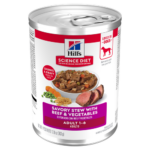 Hill'sHill’s Hill’s Science Diet Adult Savory Stew with Beef & Vegetables Wet Dog Food
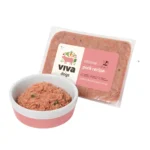 Viva RawViva Raw Complete Diet Pork Frozen Dog Food
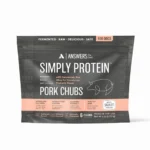 Answers Pet FoodAnswers Pet Food Straight Simply Protein Pork Formula Grain-Free Dog Food Topper
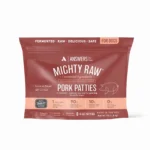 Answers Pet FoodAnswers Pet Food Detailed Mighty Raw Pork Frozen Dog Food
 SmallbatchSmallbatch Pork Sliders Freeze-Dried Dog Food
 Hill'sHill’s Science Diet Puppy Savory Stew with Chicken & Vegetables Wet Dog Food
 Stella & Chewy'sStella & Chewy’s Purely Pork Dinner Patties Freeze-Dried Dog Food
 SmallbatchSmallbatch Raw Pork Patties Frozen Dog Food
 AcanaAcana Wholesome Grains Red Meat & Grains Recipe Dry Dog Food
 AcanaAcana Red Meat Recipe Grain-Free Dry Dog Food
 OrijenOrijen Regional Red Grain-Free Dry Dog Food
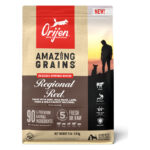 OrijenOrijen Amazing Grains, Regional Red Dry Dog Food
Show 5 more
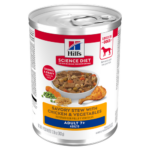 Hill'sHill’s Hill’s Science Diet Adult 7+ Savory Stew with Chicken & Vegetables Wet Dog Food
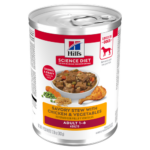 Hill'sHill’s Science Diet Adult Savory Stew with Chicken & Vegetables Wet Dog Food
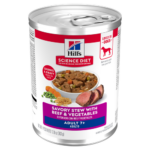 Hill'sHill’s Science Diet Adult 7+ Savory Stew with Beef and Vegetables Wet Dog Food
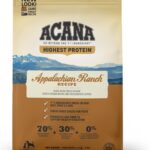 AcanaAcana Highest Protein Appalachian Ranch Recipe Grain-Free Dry Dog Food
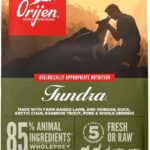 OrijenOrijen Tundra Dry Dog Food
Sources
What we read
Checked October 1, 2026.
- 1 Effects of "fresh mechanically deboned meat" inclusion on nutritional value, palatability, shelf-life microbiological risk and digestibility in dry dog food
- 2 A longitudinal study on the acceptance and effects of a therapeutic renal food in pet dogs with IRIS-Stage 1 chronic kidney disease
- 3 Critically appraised topic on adverse food reactions of companion animals (2): common food allergen sources in dogs and cats
- 4 Essential and toxic elements analysis of wild boar tissues from north-eastern Romania and health risk implications
- 5 肉類/<畜肉類>/ぶた/[副生物]/じん臓/生 - 01.一般成分表-無機質-ビタミン類
- 6 Technical Development Document for the Final Effluent Limitations Guidelines and Standards for the Meat and Poultry Products Point Source Category (40 CFR 432), Volume 1 of 4
- 7 What's in the Ingredients List?
- 8 Tips for Safe Handling of Pet Food and Treats
- 9 Disease Management: Nutritional
- 10 Pork Kidney
- 11 Pet Food Production and Ingredient Analysis