
Ingredient file // Fiber
Rice Hulls
An abundant milling leftover, not a proven stool fix
Rice hulls are the hard shells removed when rice is milled. They supply rough fiber and little protein or starch. They may add stool bulk, but the dog trials reviewed here tested other fibers, so rice hulls have no proven stool benefit of their own.
- What it is
- The hard outer shells separated from rice grains during milling and used as a fibrous feed ingredient.
- Made from
- Outer shells of paddy rice
- Main job
- Fiber for stool bulk
- Typical amount
- Not published
- Watch for
- A history of silica urinary stones
- Not the same as
- Rice bran
Straight answer
Is Rice Hulls safe for dogs?
Read its position and watch the stool
Ingredient lists rank ingredients by weight but do not give their amounts. Rice hulls low on the list may serve as fiber or a premix carrier. If they sit high, check the food's calories and crude fiber, then watch for bulky stools. A dog with silica stones needs a diet review.
- Why it is in the food
- Fiber for stool bulk
- How common
- Listed by 8 of the 3,204 foods we track
Our read // In our catalog
In 1 of every 401 foods we track
Share of foods that list it
<1%
8 of the 3,204 foods with an ingredient list on file, from 2 brands. All dry dog food.
Each square is 1% of the catalog
Where it sits on the label
Median position 22.5. In the top five of 0 foods, so it is usually a minor ingredient.
Above the salt
Usually listed after the salt, which caps it at roughly 1% of the recipe in 62% of foods.
Price per lb
Median of the cheapest bag price across 3 priced foods, 91% above the catalog. The price is the food's, not the ingredient's.
Who leans on it
50%
of the foods that list it are from Royal Canin. 2 brands use it in total.
What it is
How it is made
Rice mills remove the hull to make brown rice, then remove bran to make white rice. Hulls account for about 20% of paddy rice by weight, giving mills a large byproduct stream.2,3
- 01 // Source Paddy rice Harvested rice reaches the mill with its hard outer hull still around the grain.
- 02 // Process Grain cleaned The mill cleans paddy rice before removing the hull, keeping unwanted material out of the separated fractions.
- 03 // Process Hull separated Pressure between rollers loosens the hull; air separates it from the brown rice.
- 04 // Output Rice hulls The separated shells leave the mill as a dry stream. Some are later ground for feed.
What is in it
Composition, dry matter
43
% crude fiber
The average for dry rice hulls. Fiber dominates the shell, while its protein and starch offer little nutritional value.
Why it is in the bag
What the manufacturer gets
-
01
Adds physical bulk
The hull's coarse fiber contributes material to the finished food and stool. A small dog trial found more fecal output with other insoluble fibers, but did not test hulls.1,2
-
02
Dilutes usable energy
Replacing digestible ingredients with rough fiber reduces the share of a recipe available for energy. Other insoluble fibers reduced energy digestibility in dogs; hulls were not tested.1,2
-
03
Uses a milling surplus
Hulls make up about 20% of paddy rice by weight. Their low feeding value gives mills reason to seek outlets for this abundant stream.2,3
-
04
Carries vitamin premixes
A dog feeding study listed rice hulls as the carrier for a vitamin premix. It did not give a separate hull amount or test their effect.4
How much A 60-dog feeding study used rice hulls as a vitamin premix carrier but did not report their separate amount.4
Our read // The claims
What the evidence supports
Strong: controlled studies in dogs agree. Some: small or mixed dog data. Thin: mechanism or lab work only. None: nothing, or the evidence points the other way.
-
Brands say
Rice hulls add useful stool bulk
Outruns the evidence
Evidence
- Strong
- Some
- Thin
- None
In an 8-dog trial, cellulose and lignocellulose increased wet fecal output while stool scores stayed acceptable. No trial in this review fed rice hulls themselves, so any stool bulk effect is inferred from chemically similar insoluble fibers, not demonstrated for hulls.1,2
-
Brands say
Rice hulls make a weight loss food
Outruns the evidence
Evidence
- Strong
- Some
- Thin
- None
An 8-dog trial found lower energy digestibility with added cellulose or lignocellulose, but body weight stayed unchanged throughout the trial at an average of 11.4 kg. That lower digestibility did not translate into weight loss, and the study did not feed rice hulls at all.1,2
-
Owners say
Rice hulls cause silica bladder stones
Outruns the evidence
Evidence
- Strong
- Some
- Thin
- None
A university review reports that silica makes up 80 to 90% of hull ash, and a stone center flags diets with substantial grain hulls. Neither shows that a small rice hull addition causes stones in dogs.3,5,6
-
Critics say
Rice hulls are worthless filler
Outruns the evidence
Evidence
- Strong
- Some
- Thin
- None
Dry hulls average about 43% crude fiber, which has a practical bulk role. In an 8-dog trial, other insoluble fibers increased fecal output. That does not prove hulls improve stool, but they have a clear recipe job.1,2
Straight answers
What owners ask
-
Q01
Is it just filler?
Yes, in partHulls add bulk while contributing little protein or starch. That is a legitimate fiber job, though it also dilutes more digestible ingredients. The label alone does not show whether the amount improves your dog's stool.1,2
-
Q02
Will it firm loose stool?
Not provenBulk and firmness are different. An 8-dog trial found that other insoluble fibers increased wet fecal output without improving stool consistency. It did not test rice hulls, so a firming claim goes beyond the evidence.1
-
Q03
Is it the same as rice bran?
NoThe hull is the hard shell removed to make brown rice. Bran is the next layer removed when brown rice is polished. Bran offers more fat and protein; hulls mainly offer rough fiber.3
-
Q04
Should stone prone dogs avoid it?
If silica stonesFor a dog that has had silica urinary stones, choose a diet without substantial grain hulls with the treating clinician. That precaution does not mean a small rice hull addition has been shown to cause stones.5,6
Who uses it
Brands, best sellers and the company it keeps
Top brands, by foods that list it
Foods that list it / all the brand's recipes we track.
Usually listed with, share of the foods that list it
- Natural Flavor 88%
- Chicken Fat 63%
- Brewers Rice 50%
- Corn 50%
- Fish Oil 50%
- Dried Plain Beet Pulp 50%
- Mixed Tocopherols 50%
- Lentils 50%
- Wheat Gluten 38%
- Chicken By-Product Meal 38%
- Turkey Meal 38%
- Yellow Peas 38%
On the shelf
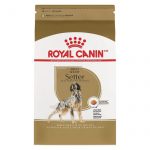
Foods that list Rice Hulls
8 foods in our catalog list it, highest on the label first.




Sources
What we read
Checked October 1, 2026.
- 1 Effect of Different Fiber Sources as Additives to Wet Food for Beagle Dogs on Diet Acceptance, Digestibility, and Fecal Quality
- 2 Rice hulls
- 3 Nutritional Evaluation of Rice Coproducts Fed to Pigs
- 4 Different carbohydrate sources in dog foods supported overall health and cardiac function: an 18-mo prospective study in healthy adult dogs
- 5 Canine Silica
- 6 Urolithiasis in Dogs