
Ingredient file // Vitamin or mineral
Selenium
An essential mineral where the dose is everything
Selenium is a trace mineral dogs must get from food, added to kibble as a measured pinch of sodium selenite or selenium yeast. It keeps the body's antioxidant enzymes working. The cancer story and the toxic additive story both run past the evidence.
- What it is
- An essential trace mineral, added as a salt or as selenium-enriched yeast so the food meets a dog's dietary minimum.
- Made from
- Sodium selenite from copper refining, or selenium yeast
- Main job
- Meets the selenium minimum
- Typical amount
- About 0.05 to 0.08 mg/kg added in tested kibbles
- Watch for
- Stacking selenium supplements on a complete food
- Not the same as
- Selenium yeast, which names the form
Straight answer
Is Selenium safe for dogs?
Expect it near the end and move on
Selenium sits with the vitamins and minerals at the end of the list, usually as sodium selenite or selenium yeast. Either form is fine. Its presence means the recipe is balanced for this mineral, not that it fights disease. Skip extra selenium supplements unless your vet has measured a shortfall.
- Why it is in the food
- Meets the selenium minimum
- How common
- Listed by 20 of the 3,204 foods we track
Our read // In our catalog
In 1 of every 160 foods we track
Share of foods that list it
<1%
20 of the 3,204 foods with an ingredient list on file, from 3 brands. 18 wet dog food, 1 dog food topper, 1 dry dog food.
Each square is 1% of the catalog
Where it sits on the label
Median position 9. In the top five of 1 food, so it is usually a supporting ingredient.
Above the salt
Usually listed after the salt, which caps it at roughly 1% of the recipe in 89% of foods.
Price per lb
Median of the cheapest bag price across 2 priced foods, 38% above the catalog. The price is the food's, not the ingredient's.
Who leans on it
85%
of the foods that list it are from Pedigree. 3 brands use it in total.
What it is
How it is made
Commercial selenium is a byproduct of copper refining, recovered from the residue left in electrolytic tanks. Feed makers mostly use it as sodium selenite, a salt that is at least 45% selenium.2,5,6
- 01 // Source Copper anode residue Selenium collects in the anode residues left behind when copper is refined electrolytically.
- 02 // Process Made into a salt It is supplied to feed makers as sodium selenite, a powder with at least 45% selenium by weight.
- 03 // Process Diluted in a premix EU rules require it to go into feed as a premixture, not added to the food as the pure salt.
- 04 // Output Mixed into kibble Four tested kibbles had 0.05 to 0.08 mg of sodium selenite added per kg, mixed in before processing.
What is in it
Composition, dry matter
0.35-2
mg/kg
The AAFCO window for selenium in dog food, minimum to maximum. The ceiling is under 6 times the floor, so dosing errors matter.
Why it is in the bag
What the manufacturer gets
-
01
Meets a required minimum
AAFCO sets 0.35 mg/kg dry matter as the floor for complete dog food. Selenium in ingredients varies with source and soil, so a measured top-up keeps every batch above it.1,4
-
02
Precise at tiny doses
Sodium selenite is at least 45% selenium, so well under 1 mg of the salt per kg of food reaches the minimum. It rides in the premix with other minerals.1,5
-
03
Feeds antioxidant enzymes
Selenium is part of glutathione peroxidase, an antioxidant enzyme often used to gauge selenium activity, though its value as a marker in dogs is unsettled. A 24-dog trial found it higher on canned diets.1,2
How much Four tested kibbles had sodium selenite added at 0.05 to 0.08 mg/kg, on top of the selenium their ingredients already carried.2
Our read // The claims
What the evidence supports
Strong: controlled studies in dogs agree. Some: small or mixed dog data. Thin: mechanism or lab work only. None: nothing, or the evidence points the other way.
-
Vets say
Selenium is an essential nutrient for dogs
Evidence
- Strong
- Some
- Thin
- None
Beagle puppy studies put the minimum near 0.21 mg/kg dry matter, and dogs fed under 0.12 mg/kg grew hair poorly. FEDIAF added a safety margin to recommend 0.40 for growth. Clinical deficiency on complete food is not seen.1
-
Critics say
Selenium yeast is safer and better than sodium selenite
Outruns the evidence
Evidence
- Strong
- Some
- Thin
- None
The one dog study, cited in a 2021 review, found similar fecal absorption of both forms at high intakes, and liver selenium did not differ. The 2.94 times toxicity figure critics quote comes from rats, not dogs.1,7
-
Owners say
Selenium helps protect dogs against cancer
Outruns the evidence
Evidence
- Strong
- Some
- Thin
- None
Elderly beagles given 3 or 6 µg/kg of extra selenium daily for 7 months had less DNA damage in prostate cells. That trial measured DNA damage, not cancer, and no trial shows food selenium preventing tumors.3
-
Critics say
Sodium selenite in dog food is toxic
Outruns the evidence
Evidence
- Strong
- Some
- Thin
- None
Selenite is poisonous in overdose: injected at 2 mg/kg body weight it killed 85% of test dogs. At food levels, a 2021 review found no naturally occurring selenium poisoning described in dogs.1,7
Straight answers
What owners ask
-
Q01
Is sodium selenite worse than selenium yeast?
Not provenDog data show similar absorption and liver levels from both forms. Most kibble uses selenite. Neither form has a proven health edge for a dog eating a complete food, so it is no reason to switch.1,7
-
Q02
Should I add a selenium supplement?
NoA complete and balanced food already meets the AAFCO minimum. Merck puts the maximum tolerable level for dogs at 2 mg/kg of diet, and pills on top push toward it with no shown benefit.1,4
-
Q03
Do dogs absorb selenium from kibble?
Yes, mostlyIn a 24-Labrador trial, kibble selenium was about 62% digestible against 45% for canned. Canned diets still showed higher enzyme activity, which the authors think may reflect more digestible selenium: canned held nearly twice the selenium per calorie.2
Who uses it
Brands, best sellers and the company it keeps
Top brands, by foods that list it
Foods that list it / all the brand's recipes we track.
Usually listed with, share of the foods that list it
- Sufficient Water For Processing 95%
- Chicken 95%
- Meat By-Products 95%
- Minerals 75%
- Potassium Chloride 75%
- Zinc Sulfate 75%
- Copper Proteinate 75%
- Potassium Iodide 75%
- Copper Sulfate 75%
- Manganese Sulfate 70%
- Wheat Flour 60%
- Beef 55%
On the shelf
Foods that list Selenium
20 foods in our catalog list it, highest on the label first.
 PedigreePedigree High Protein Chopped Ground Dinner Can, Chicken & Duck Wet Dog Food
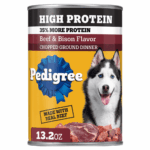 PedigreePedigree High Protein Chopped Ground Dinner Can, Beef & Bison Wet Dog Food
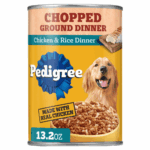 PedigreePedigree Chopped Ground Dinner Adult Can, Chicken and Rice Dinner Wet Dog Food
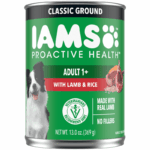 IamsIams Proactive Health With Lamb AND Rice Classic Ground Dog Food Topper
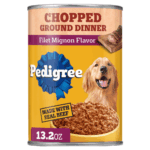 PedigreePedigree Chopped Ground Dinner Adult Can, Filet Mignon Wet Dog Food
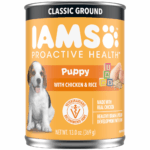 IamsIams Proactive Health Puppy With Chicken AND Rice Classic Ground Wet Dog Food
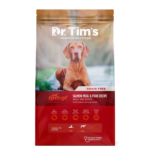 Dr. Tim'sDr. Tim’s RPM Salmon & Pork Grain-Free Dry Dog Food
Show 13 more
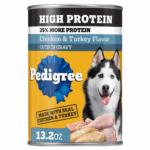 PedigreePedigree High Protein Adult Can, Chicken & Turkey Wet Dog Food
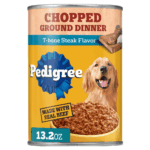 PedigreePedigree Chopped Ground Dinner Adult Can, T-bone Steak Wet Dog Food
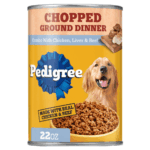 PedigreePedigree Chopped Ground Dinner Adult Can, Chicken, Liver & Beef Wet Dog Food
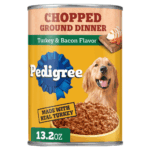 PedigreePedigree Chopped Ground Dinner Adult Can, Turkey & Bacon Wet Dog Food
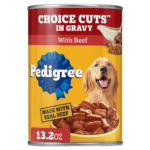 PedigreePedigree Choice Cuts IN Gravy Adult Can, Beef Wet Dog Food
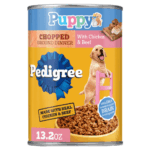 PedigreePedigree Puppy Chopped Ground Dinner, Chicken & Beef Wet Dog Food
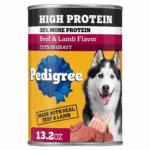 PedigreePedigree High Protein Adult Can, Beef & Lamb Wet Dog Food
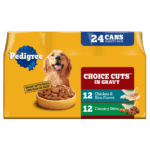 PedigreePedigree Choice Cuts IN Gravy Adult Cans, Country Stew and Chicken & Rice Wet Dog Food
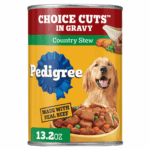 PedigreePedigree Choice Cuts IN Gravy Adult Can, Country Stew Wet Dog Food
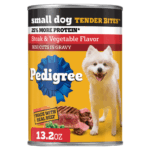 PedigreePedigree Small Dog Food with Tender Bites, Steak & Vegetable Wet Dog Food
 PedigreePedigree Choice Cuts IN Gravy Adult Can, Steak & Vegetable Wet Dog Food
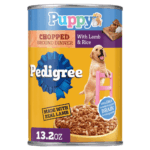 PedigreePedigree Puppy Chopped Ground Dinner Can, Lamb & Rice Wet Dog Food
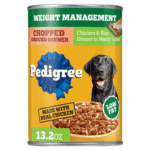 PedigreePedigree Weight Management Chopped Ground Dinner Adult, Chicken & Rice Dinner Wet Dog Food
Sources
What we read
Checked October 1, 2026.
- 1 Selenium and Dogs: A Systematic Review
- 2 Selenium Digestibility and Bioactivity in Dogs: What the Can Can, the Kibble Can't
- 3 Effects of dietary selenium supplementation on DNA damage and apoptosis in canine prostate
- 4 Selenium Toxicosis in Animals
- 5 Commission Implementing Regulation (EU) 2019/49 concerning the authorisation of sodium selenite, coated granulated sodium selenite and zinc-L-selenomethionine as feed additives for all animal species
- 6 Selenium and Tellurium Statistics and Information
- 7 Sodium Selenite in Dog Food: Vital Nutrient or Dangerous Toxin?