
Ingredient file // Starch
Starch
Refined energy and kibble glue, from an unnamed plant
Starch is the refined carbohydrate pulled out of a grain, root or legume, and this label does not say which one. In kibble it helps the dough expand and hold together, and dogs digest it almost completely for energy.
Role in the food Does a job- What it is
- Refined carbohydrate separated from a grain, root or legume, listed without naming which plant it came from.
- Made from
- A grain, root or legume; the label does not say
- Main job
- Binds the kibble, adds calories
- Typical amount
- Not published for added starch alone
- Watch for
- The plant source is not disclosed
- Not the same as
- Whole grain or flour
Straight answer
Is Starch safe for dogs?
Read it as energy, then ask the source
When a label says plain 'starch,' both the plant and the amount are hidden. It supplies digestible calories and helps hold the kibble together, nothing more, and that alone is no reason to reject a food. If your dog needs a strict elimination diet, ask the maker which plant it comes from.
- Why it is in the food
- Binds the kibble, adds calories
- How common
- Listed by 1 of the 3,204 foods we track
Our read // In our catalog
In 1 of every 3,204 foods we track
Share of foods that list it
<1%
1 of the 3,204 foods with an ingredient list on file, from 1 brand. All dry dog food.
Each square is 1% of the catalog
Where it sits on the label
Median position 13. In the top five of 0 foods, so it is usually a minor ingredient.
Above the salt
Almost always listed before the salt, so there is more of it than a pinch.
Price per lb
Median of the cheapest bag price across 1 priced foods, 47% above the catalog. The price is the food's, not the ingredient's.
Who leans on it
100%
of the foods that list it are from Farmina. 1 brand use it in total.
What it is
How it is made
Starch comes from refineries that split crops into their parts. Corn wet millers turn most of their starch into syrups and glucose; some is dried and sold as plain starch to food, feed and pet food plants.1,10
- 01 // Source Corn kernels Corn starch shows how it is made. About 70% of a corn kernel is starch, held in the endosperm.
- 02 // Process Steeped Kernels soak 30 to 40 hours in water at 50 degrees Celsius, which softens them for separation.
- 03 // Process Germ and fiber removed Cyclones spin out the germ, then a second grinding frees the starch and gluten from the fiber.
- 04 // Process Starch washed A centrifuge spins out the gluten protein, and the starch is washed 8 to 14 times.
- 05 // Output Dried starch A white powder about 95% starch and under 2% protein on a dry basis, sold as unmodified starch.
What is in it
Composition, dry matter
95
% starch
The average for refined corn starch. It is nearly pure carbohydrate: almost no protein, fat, fiber or minerals come with it.
Why it is in the bag
Listed low, mostly a binder that adds calories
- Main nutrition
- Supporting nutrient
- Does a job
- Mostly filler
Makers add refined starch because heat and moisture in the extruder swell it, which expands the kibble and binds it, and dogs digest it almost fully for calories. No source publishes how much plain starch recipes add. Labels list ingredients by weight, so plain starch near the top likely supplies a real share of the energy. Listed low, it is likely too little to change the food's calories much and is there mostly for texture and binding.2,5,9
-
01
Builds the kibble
Heat and moisture in the extruder swell the starch, which expands the pieces and binds them. Formulas above 65% starch turn too sticky to run.5,6
-
02
Digestible calories
Refined starch carries about 4,100 to 4,300 kcal of gross energy per kg dry, and dogs digested over 99% of the starch in extruded kibble.1,2
-
03
Tunes texture
Formulators who want firmer, more cohesive pieces pick amylose-rich starches such as potato and tapioca. A refined starch adds structure without adding protein or fiber.1,11
-
04
A refinery commodity
Corn wet millers split each kernel into starch, germ, fiber and protein. Most starch becomes syrup or glucose, and part is dried and sold as plain starch.10
How much No source publishes how much plain starch recipes add. Total starch in dry dog food usually runs 30 to 40%, and above 65% the dough gets too sticky.5,11
Our read // The claims
What the evidence supports
Strong: controlled studies in dogs agree. Some: small or mixed dog data. Thin: mechanism or lab work only. None: nothing, or the evidence points the other way.
-
Vets say
Dogs digest starch almost completely
Evidence
- Strong
- Some
- Thin
- None
In a dog trial of six extruded kibbles built on barley, corn, potato, rice, sorghum or wheat flour, over 99% of the starch was digested. A 36-dog trial of six starch sources found over 98%.2,7
-
Critics say
Dogs have no dietary need for carbohydrates
Evidence
- Strong
- Some
- Thin
- None
True for adult dogs outside pregnancy and lactation: the body makes the glucose it needs from other nutrients. The leap critics then make, that unneeded means harmful, has no support in published dog data.5,8
-
Brands say
Dogs evolved to eat starch
Outruns the evidence
Evidence
- Strong
- Some
- Thin
- None
A whole-genome comparison of dogs and wolves found selection on starch digestion genes, including pancreatic amylase AMY2B. Copy numbers of that gene vary widely across 20 breeds and between dogs, so starch tolerance is not uniform.3,4
-
Critics say
Starch spikes blood sugar and causes diabetes
Outruns the evidence
Evidence
- Strong
- Some
- Thin
- None
Guelph's nutrition team finds no published evidence linking carbohydrate intake to diabetes or obesity in dogs, and a small gene study did not detect a link between amylase copy number and diabetes. Glucose peaks do differ by starch source.4,7,8
Straight answers
What owners ask
-
Q01
Is it just filler?
Mostly notIt does two jobs: it supplies calories dogs digest almost fully, and it helps the kibble expand and bind in the extruder. What it does not bring is protein, fiber or minerals. It is nearly pure carbohydrate.1,2,5
-
Q02
Which plant does it come from?
Not disclosedAn ingredient without its own definition is listed by its common name, and plain starch stops there. Corn, wheat, potato and tapioca starch all fit the name. Only the manufacturer can tell you which.9
-
Q03
Does grain-free mean low starch?
NoKibble needs starch to form, so grain-free foods swap in other sources. In 10 dry dog foods tested, grain-free recipes ran 16.2 to 37.5% starch as fed, a wider spread than grain-based ones.6
-
Q04
Why isn't starch on the analysis?
Not allowedUS rules neither require nor allow starch in the guaranteed analysis. To estimate it, subtract protein, fat, fiber, moisture and ash from 100. Most of what remains is starch and sugars.6
Who uses it
Brands, best sellers and the company it keeps
Top brands, by foods that list it
Foods that list it / all the brand's recipes we track.
Usually listed with, share of the foods that list it
- Rice 100%
- Sweet Potatoes 100%
- Dehydrated Chicken 100%
- Whole Oats 100%
- Chicken Fat 100%
- Dried Whole Eggs 100%
- Dehydrated Fish 100%
- Dried Beet Pulp 100%
- Natural Flavor 100%
- Herring Oil 100%
On the shelf
Foods that list Starch
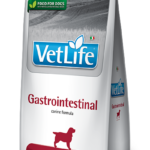
1 food in our catalog lists it, highest on the label first.
Sources
What we read
Checked October 1, 2026.
- 1 Maize starch
- 2 Evaluation of selected high-starch flours as ingredients in canine diets
- 3 The genomic signature of dog domestication reveals adaptation to a starch-rich diet
- 4 Amylase activity is associated with AMY2B copy numbers in dog: implications for dog domestication, diet and diabetes
- 5 The role of carbohydrates in canine and feline nutrition
- 6 Starch characterization of commercial extruded dry pet foods
- 7 Effects of six carbohydrate sources on dog diet digestibility and post-prandial glucose and insulin response
- 8 Carbs & Dogs
- 9 Reading Labels
- 10 FAQ
- 11 Formulation requirements on moisture and starch for extrusion