
Ingredient file // Animal protein
Silver Hake
Lean white fish, mostly water on the label
Silver hake is a lean white fish from the northwest Atlantic, sold to people as whiting. In kibble it adds digestible animal protein with little fat, but its omega-3 content is too low to treat a dog's skin or joints.
Role in the food Supporting nutrient- What it is
- A lean, white-fleshed fish from the northwest Atlantic, added to kibble raw, fresh or frozen, rather than as a dried meal.
- Made from
- Silver hake caught by Atlantic small-mesh trawlers
- Main job
- Named animal protein
- Typical amount
- Not published
- Watch for
- Dogs with a diagnosed fish allergy
- Not the same as
- Fish meal
Straight answer
Is Silver Hake safe for dogs?
Count it as wet fish, then check the meals
Silver hake near the top means raw fish weighed with its water. Look for a fish meal or other dry protein close behind it, then check the protein on a dry matter basis. Ignore omega-3 promises pinned to the hake itself; there is too little in it to matter.
- Why it is in the food
- Named animal protein
- How common
- Listed by 1 of the 3,204 foods we track
Our read // In our catalog
In 1 of every 3,204 foods we track
Share of foods that list it
<1%
1 of the 3,204 foods with an ingredient list on file, from 1 brand. All dry dog food.
Each square is 1% of the catalog
Where it sits on the label
Median position 4. In the top five of 1 food, so it is usually a main ingredient.
Price per lb
Median of the cheapest bag price across 1 priced foods, 132% above the catalog. The price is the food's, not the ingredient's.
Who leans on it
100%
of the foods that list it are from Acana. 1 brand use it in total.
What it is
How it is made
Silver hake is a food fish first: US boats landed 11.7 million pounds in 2024, mostly for fish markets and bait. Pet food buys it raw, unlike fish meal, which arrives cooked, pressed and dried.1,2,9,10,11
- 01 // Source Atlantic silver hake A slender cod relative caught with small-mesh trawls, most abundant from southern Newfoundland to South Carolina.
- 02 // Process Landed and chilled The catch is sold fresh, smoked or frozen, and its US market is human food and bait.
- 03 // Output Fresh or frozen fish Raw fish, about 80% water, ground at the plant into a meat slurry before it meets the dry ingredients.
What is in it
Composition, dry matter
80
% water
Raw hake is about four-fifths water as caught. That water counts toward its place on the ingredient list, then cooks off in the extruder and dryer.
Why it is in the bag
Real fish protein, but its list spot overstates it
- Main nutrition
- Supporting nutrient
- Does a job
- Mostly filler
Makers add silver hake as a named animal protein: its dry matter is about 93% protein with little fat. It goes in raw at about 80% water, and list order counts that water, so a high list spot likely overstates the protein left after drying. No source publishes how much a recipe holds, so count it as a real protein contributor, not proof the food is built on fish.2,12
-
01
Named animal protein
On a dry basis the flesh is about 93% protein. In a 12-dog trial, protein in a fish meal diet was 87% digestible, against 80% for poultry meal.2,4
-
02
Protein without much fat
At under 7% fat on a dry basis, hake adds protein while leaving the recipe's fat level to the oils and fats the formulator adds separately.2
-
03
A cheap, plentiful food fish
US landings of 11.7 million pounds in 2024 were worth $8.3 million, about 71 cents a pound at the dock, from stocks rated not overfished.1
-
04
Ranks high when weighed wet
Ingredients are listed by weight including water, so fresh hake at about 80% water sits higher on the list than the same amount of fish protein would as a drier meal.2,12
How much No source publishes how much silver hake a recipe holds, and no dog trial has fed it; the nearest data come from fish meal diets.4
Our read // The claims
What the evidence supports
Strong: controlled studies in dogs agree. Some: small or mixed dog data. Thin: mechanism or lab work only. None: nothing, or the evidence points the other way.
-
Brands say
Fish protein is highly digestible for dogs
Evidence
- Strong
- Some
- Thin
- None
In a 12-dog trial, crude protein in a fish meal diet was 87.0% digestible, against 80.2% for poultry meal and 71.5% for lamb meal. That was fish meal, not silver hake, in one small study.4
-
Brands say
Wild-caught and sustainably fished
Evidence
- Strong
- Some
- Thin
- None
NOAA's 2023 assessments rate both US stocks not overfished and not subject to overfishing. IUCN listed the species Near Threatened in 2015, so the claim holds for the US fishery more than for the species everywhere.1,10
-
Brands say
Fish adds omega-3s for skin, coat and joints
Outruns the evidence
Evidence
- Strong
- Some
- Thin
- None
Raw hake carries about 0.22 g of EPA plus DHA per 100 g. Dog joint studies used at least 68 mg per kg of body weight, so a 20 kg dog would need over 600 g of hake a day.2,6
-
Owners say
Fish is a safe pick for allergic dogs
Outruns the evidence
Evidence
- Strong
- Some
- Thin
- None
Fish was the trigger in 5 of 297 dogs with proven food reactions, about 2%. The authors note the list could simply mirror what pets were fed in past decades, so a low count does not make fish safe for an allergic dog.5
-
Owners say
Fish in dog food carries dangerous mercury
Outruns the evidence
Evidence
- Strong
- Some
- Thin
- None
FDA testing found hake averaged 0.079 ppm mercury and whiting 0.051 ppm, against 0.995 ppm for swordfish. Silver hake sits among the lowest-mercury fish sold, so the fear does not fit this species.3
Straight answers
What owners ask
-
Q01
Is silver hake the same as whiting?
YesNOAA says silver hake, along with offshore hake, is generally sold under the name whiting. A label that says silver hake names the exact species, which is the more specific of the two.1
-
Q02
Why is fish first if it's mostly water?
Weighed wetIngredients are listed by weight including water, and raw hake is about 80% water, while kibble dries to 6 to 9% moisture. Most of that listed weight is gone by the time the bag is sealed.2,9,12
-
Q03
Is it just filler?
NoIts dry matter is about 93% protein, and fish protein digested well in a dog trial. The fair criticism is quantity: fresh fish shrinks so much in cooking that its list position overstates it.2,4
Who uses it
Brands, best sellers and the company it keeps
Top brands, by foods that list it
Foods that list it / all the brand's recipes we track.
Usually listed with, share of the foods that list it
- Whole Mackerel 100%
- Whole Herring 100%
- Redfish 100%
- Mackerel Meal 100%
- Herring Meal 100%
- Sunflower Oil 100%
- Red Lentils 100%
- Pollock Meal 100%
- Whitefish Meal 100%
On the shelf
Foods that list Silver Hake
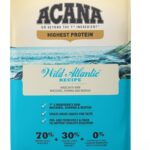
1 food in our catalog lists it, highest on the label first.
Sources
What we read
Checked October 1, 2026.
- 1 Silver Hake
- 2 Fish, whiting, mixed species, raw
- 3 Mercury Levels in Commercial Fish and Shellfish (1990-2012)
- 4 Protein and amino acid bioavailability of extruded dog food with protein meals of different quality using growing mink (Neovison vison) as a model
- 5 Critically appraised topic on adverse food reactions of companion animals (2): common food allergen sources in dogs and cats
- 6 Exploring the efficacy and optimal dosages of omega-3 supplementation for companion animals
- 7 Diet-Induced Thiamine Deficiency in Captive Marine Mammals
- 8 Thiaminases
- 9 Methods and compositions using fresh or frozen meat to improve food efficiency in animals such as dogs (US20170020163A1)
- 10 Merluccius bilinearis, Silver hake
- 11 Fish meal
- 12 Why you shouldn't judge a pet food by its ingredient list