
Ingredient file // Flavor
Pork Flavor
A taste boost with little nutritional weight
Pork flavor is a small dose of pork-derived taste material, often made from a digest or stock. It gives kibble a meatier smell and taste that can influence a dog's choice. It is not a meaningful protein source.
Role in the food Does a job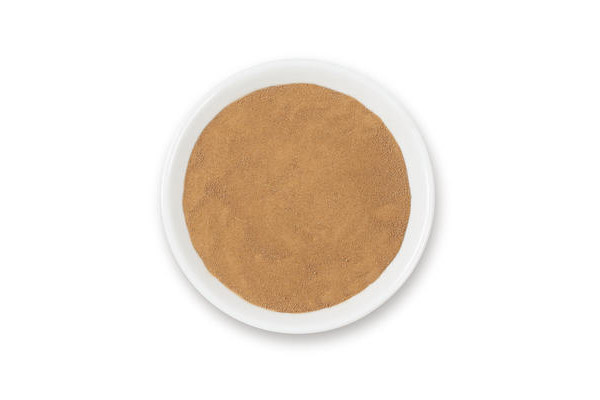
- What it is
- A pork-derived concentrate added to dog food for its smell and taste, rather than its nutrients.
- Made from
- Pork meat or other pork tissues
- Main job
- Makes kibble more appealing
- Typical amount
- Powders 0.5 to 2%; liquids 1 to 3%
- Watch for
- Pork in an allergy elimination diet
- Not the same as
- Pork meat or pork meal
Straight answer
Is Pork Flavor safe for dogs?
Read it as flavor, then check the meat
Treat pork flavor as a palatant on the ingredient list. Look above it for the meat, meal and fat that carry the recipe; the flavor line cannot tell you how much pork protein the food supplies. If your dog must avoid pork, skip the food even when pork flavor appears near the end.
- Why it is in the food
- Makes kibble more appealing
- Watch for
- Dogs avoiding pork protein
- How common
- Listed by 27 of the 3,204 foods we track
Our read // In our catalog
In 1 of every 119 foods we track
Share of foods that list it
<1%
27 of the 3,204 foods with an ingredient list on file, from 9 brands. 22 dry dog food, 5 wet dog food.
Each square is 1% of the catalog
Where it sits on the label
Median position 11. In the top five of 2 foods, so it is usually a minor ingredient.
Above the salt
Almost always listed before the salt, so there is more of it than a pinch.
Price per lb
Median of the cheapest bag price across 18 priced foods, 15% above the catalog. The price is the food's, not the ingredient's.
Who leans on it
26%
of the foods that list it are from Orijen. 9 brands use it in total.
What it is
How it is made
Pork processing supplies meat and other tissues that flavor makers can turn into a concentrate. A common method breaks down their proteins, then develops a meatier aroma with heat. The finished flavor may be liquid or dry.3,4
- 01 // Source Pork tissue Clean pork meat or other tissues, including organs, provide the starting material for a meat-based flavor.
- 02 // Process Protein breakdown Enzymes break proteins into smaller peptides and amino acids, producing a liquid digest with flavor precursors.
- 03 // Process Flavor developed Some makers heat the digest with ingredients such as yeast extract and sugar to develop stronger meat aromas.
- 04 // Output Liquid or powder The flavor reaches the kibble plant as a liquid or dry palatant, commonly applied to finished kibble.
What is in it
Composition, dry matter
89
% protein
One experimental pork flavor was protein rich when dry. Its small dose in food still makes flavor, not protein, its main job.
Why it is in the bag
There for taste, not for nutrition
- Main nutrition
- Supporting nutrient
- Does a job
- Mostly filler
Pork flavor is a palatant. Kibble is the least appealing format for dogs, so makers add flavor, often sprayed on, to get dogs eating. Powders run 0.5 to 2% of dry food and liquids 1 to 3%, so it likely adds too little protein to change the food's nutrition. In dog tests, a meat palatant's odor and kibble with freeze-dried swine liver swayed which bowl dogs picked. Labels list by weight, and it often sits well below the meats.1,4,5,6
-
01
Adds a meat aroma
A coating puts flavor where a dog smells the kibble first. In a dog test, the odor of a meat-based palatant changed which bowl dogs chose.1,4
-
02
Helps food acceptance
A small industry test found that dogs chose kibble with freeze-dried swine liver over its control. That result supports using pork-derived material for taste, not a promise for every dog.5
-
03
Uses less costly inputs
Flavor makers can use pork tissues beyond retail meat cuts. One published pork flavor formula also used yeast extract made from spent brewer's yeast to lower its production cost.3,4
-
04
Works in small doses
Commercial palatants are commonly sprayed onto dry food. Published ranges are 0.5 to 2% for powders and 1 to 3% for liquids, keeping flavor a minor recipe ingredient.4
How much A review reports 0.5 to 2% for dry palatants and 1 to 3% for liquid ones; those are category ranges, not a pork-specific standard.4
Our read // The claims
What the evidence supports
Strong: controlled studies in dogs agree. Some: small or mixed dog data. Thin: mechanism or lab work only. None: nothing, or the evidence points the other way.
-
Brands say
Pork flavor makes kibble more appealing
Outruns the evidence
Evidence
- Strong
- Some
- Thin
- None
In an industry test involving 40 dogs, kibble with 2% freeze-dried swine liver beat a control. A separate 36-dog test found that a meat palatant's odor influenced choice. Neither tested every ingredient sold as pork flavor.1,5
-
Brands say
Pork flavor gives dogs useful protein
Outruns the evidence
Evidence
- Strong
- Some
- Thin
- None
An experimental dry pork flavor measured 89.37% protein, but commercial palatants are typically used at only a few percent of the food. That laboratory figure does not make a flavoring a meaningful protein source in kibble.3,4
-
Owners say
Pork flavor proves the food contains lots of pork
Outruns the evidence
Evidence
- Strong
- Some
- Thin
- None
AAFCO's flavor rule requires an ingredient that supplies the named taste, not a large meat portion. A review places typical powder palatants at 0.5 to 2% of dry food. Flavor tells you little about total pork content.4,6
-
Brands say
Natural pork flavor is safer than other flavorings
Outruns the evidence
Evidence
- Strong
- Some
- Thin
- None
AAFCO says natural does not mean safer and permits processes including heat and hydrolysis. The 36-dog palatant trial measured food choice, not safety. The word describes how an ingredient qualifies for labeling, not a health advantage.1,7
-
Owners say
Hydrolyzed pork flavor cannot trigger pork allergies
Outruns the evidence
Evidence
- Strong
- Some
- Thin
- None
In laboratory tests of 2 hydrolyzed diets, immune cells from 91 and 75 of 316 dogs reacted to the extracts. The study did not test pork flavor or clinical symptoms, but hydrolysis alone cannot guarantee allergy safety.2,8
Straight answers
What owners ask
-
Q01
Is it just filler?
No, it's flavorIt has a specific job: making kibble smell and taste more appealing. It is used in small amounts and does not supply meaningful protein. Judge the food's nutrition by its main ingredients and guaranteed analysis.4,6
-
Q02
Does it mean pork meat?
NoA pork flavor may start with meat, stock or other pork tissues. The label names its taste source, but does not identify every tissue used or tell you how much pork meat the finished food contains.4,6
-
Q03
Can my pork-allergic dog eat it?
Avoid itKeep pork flavor out of a pork elimination diet. Even hydrolyzed protein is not automatically safe for every allergic dog, and an ordinary ingredient list does not tell you how extensively this flavor was broken down.2,8
Who uses it
Brands, best sellers and the company it keeps
Top brands, by foods that list it
Foods that list it / all the brand's recipes we track.
Amazon best sellers that list it
- #4 Hill’s Science Diet Light Small & Mini Chicken Recipe Dry Dog Food
- #69 Hill’s Science Diet Puppy Small Paws Chicken Meal, Barley & Brown Rice Recipe Dry Dog Food
Rank on Amazon's dog food best seller list, checked October 2026.
Usually listed with, share of the foods that list it
- Beef 44%
- Pork 41%
- Pork Meal 37%
- Lamb 33%
- Mixed Tocopherols 30%
- Chicken Meal 26%
- Beef Meal 26%
- Chicken 22%
- Pork Fat 22%
- Lamb Meal 22%
- Chicken Fat 22%
- Beef Liver 19%
On the shelf
Foods that list Pork Flavor
27 foods in our catalog list it, highest on the label first.
 ZignatureZignature Inception Pork Recipe Food Can Wet Dog Food
 Hill'sHill’s Prescription Diet i/d Sensitive Digestive Care Rice & Egg Formula Dry Dog Food
 I and Love and YouI and Love and You Nude Super Food Red Meat Medley Grain-Free Dry Dog Food
 OrijenOrijen Chicken Recipe Pâté with Liver Grain-Free Wet Dog Food
 Stella & Chewy'sStella & Chewy’s Wild Red Grain Free : Whole Prey Red Meat Recipe, Raw Coated Dry Dog Food
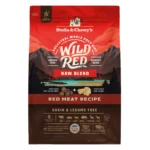 Stella & Chewy'sStella & Chewy’s Wild Red Grain Free : Whole Prey Red Meat Recipe, Raw Coated/Raw Blend Kibble - Protein Rich, Poultry Free, Legume Free Dry Dog Food
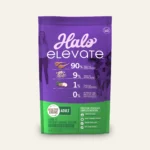 HaloHalo Elevate Healthy Grains Lamb Recipe Adult Dry Dog Food
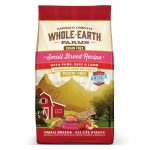 Whole Earth FarmsWhole Earth Farms Grain-Free Small Breed Recipe with Pork, Beef & Lamb Poultry-Free Dry Dog Food
 I and Love and YouI and Love and You Naked Essentials Ancient Grains Recipe with Beef + Lamb Dry Dog Food
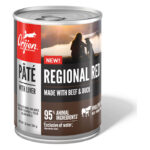 OrijenOrijen Regional Red Pâté with Liver Grain-Free Wet Dog Food
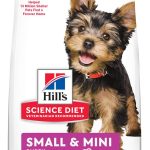 Hill'sHill’s Science Diet Puppy Small Paws Chicken Meal, Barley & Brown Rice Recipe Dry Dog Food
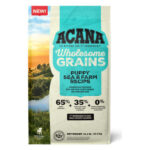 AcanaAcana Wholesome Grains Sea to Farm Puppy Recipe Dry Dog Food
Show 15 more
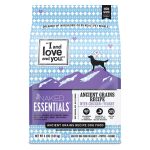 I and Love and YouI and Love and You Naked Essentials Ancient Grains Recipe with Chicken + Turkey Dry Dog Food
 OrijenOrijen Premium Tundra Pâté with Liver Grain-Free Wet Dog Food
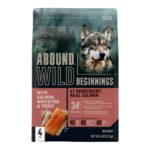 AboundAbound Wild Beginnings All Life Stages Salmon, Whitefish & Trout Dry Dog Food
 AcanaAcana Singles Limited Ingredient Diet Pork & Squash Recipe Grain-Free Dry Dog Food
 OrijenOrijen Original Pâté with Liver Grain-Free Wet Dog Food
 OrijenOrijen Amazing Grains, Regional Red Dry Dog Food
 Hill'sHill’s Science Diet Light Small & Mini Chicken Recipe Dry Dog Food
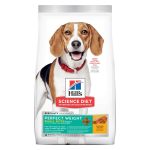 Hill'sHill’s Science Diet Adult Perfect Weight Small Bites Chicken Recipe Dry Dog Food
 AcanaAcana Wholesome Grains Red Meat & Grains Recipe Dry Dog Food
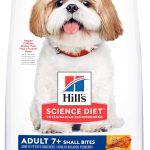 Hill'sHill’s Science Diet Adult 7+ Small Bites Chicken Meal, Barley & Rice Recipe Dry Dog Food
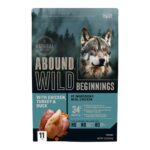 AboundAbound Wild Beginnings All Life Stages Chicken, Turkey & Duck Dry Dog Food
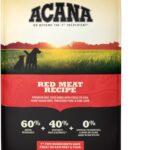 AcanaAcana Red Meat Recipe Grain-Free Dry Dog Food
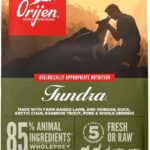 OrijenOrijen Tundra Dry Dog Food
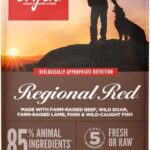 OrijenOrijen Regional Red Grain-Free Dry Dog Food
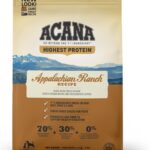 AcanaAcana Highest Protein Appalachian Ranch Recipe Grain-Free Dry Dog Food
On labels as
Natural pork flavor: what changes
One page covers every name. Here is what each label word adds, and whether it changes anything for your dog.
Natural pork flavor
Matters for your dog No
Natural Pork Flavor
What it means AAFCO defines natural as coming only from plant, animal or mined sources, made by methods such as heat, rendering, hydrolysis or fermentation, with no chemically synthetic process and no synthetic additives beyond trace amounts. It says nothing about safety, pork quality or how the pigs were raised.
For your dog Natural tells you the flavor was made without synthetic chemistry, nothing more; the rest of the food need not qualify. AAFCO says natural ingredients are not required to be safer, and we found no dog study comparing natural and other pork flavors. Pork-allergic dogs should still avoid it.2,7,8
Sources
What we read
Checked October 1, 2026.
- 1 A new method to assess the influence of odor on food selection in dogs
- 2 Hydrolyzed diets may stimulate food-reactive lymphocytes in dogs
- 3 Production of Meat-Like Flavor
- 4 Dry Pet Food Flavor Enhancers and Their Impact on Palatability: A Review
- 5 Making petfood more palatable
- 6 Reading Labels
- 7 Natural
- 8 Nutrition in Disease Management in Small Animals