
Ingredient file // Legume
Split Peas
Useful starch and protein, with an open heart question
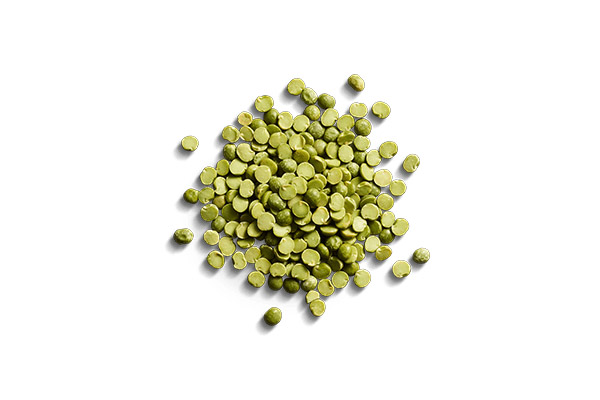
Split peas are dried field peas with their hulls removed and seeds divided. They supply starch and plant protein in kibble. Diets heavy in pulses appear in reports of canine heart disease, but split peas alone have not been shown to cause it.
- What it is
- Dried field pea seeds with the outer hull removed and the inner seed divided into halves.
- Made from
- Mature dried field peas
- Main job
- Starch and plant protein
- Typical amount
- Not published
- Watch for
- Several pulse ingredients high on one list
- Not the same as
- Pea protein concentrate
Straight answer
Is Split Peas safe for dogs?
Read every pulse line on the bag
A split pea line tells you the food contains starch and plant protein. Read where it sits beside the animal protein sources and look for peas, pea protein, lentils or other pulses elsewhere on the list. If several appear near the top, ask the maker how it balances and tests the finished food.
- Why it is in the food
- Starch and plant protein
- How common
- Listed by 13 of the 3,204 foods we track
Our read // In our catalog
In 1 of every 246 foods we track
Share of foods that list it
<1%
13 of the 3,204 foods with an ingredient list on file, from 1 brand. All dry dog food.
Each square is 1% of the catalog
Where it sits on the label
Median position 6. In the top five of 6 foods, so it is usually a supporting ingredient.
Above the salt
Almost always listed before the salt, so there is more of it than a pinch.
Price per lb
Median of the cheapest bag price across 12 priced foods, 46% below the catalog. The price is the food's, not the ingredient's.
Who leans on it
100%
of the foods that list it are from Nutro. 1 brand use it in total.
What it is
How it is made
Dry pea processors turn mature field peas into whole peas, split peas and flour. Removing the hull creates a separate fiber stream; the remaining seed halves supply starch and protein.5,6
- 01 // Source Dry field peas Processors start with mature seeds harvested dry, rather than fresh green garden peas.
- 02 // Process Dehulled Milling removes the outer seed coat, leaving the starch and protein rich inner seed.
- 03 // Process Split The inner seed separates into halves, which can then be milled into flour.
- 04 // Output Split pea halves The dry halves go to food or feed makers whole or after milling.
What is in it
Composition, dry matter
52
% starch
About half of the tested dehulled pea flour was starch. Split peas bring energy to kibble alongside plant protein.
Why it is in the bag
What the manufacturer gets
-
01
Supplies kibble starch
Starch provides energy and helps form kibble during extrusion. Split peas bring that starch through a dry pulse ingredient that manufacturers can mill into flour.5,6
-
02
Adds plant protein
Dehulled pea flour was about one quarter protein on a dry basis. That protein contributes to the food's crude protein figure, which does not identify its plant or animal sources.5,8
How much One controlled diet contained 20% split peas alongside 40% lentils for 30 days; the study did not test split peas alone.1
Our read // The claims
What the evidence supports
Strong: controlled studies in dogs agree. Some: small or mixed dog data. Thin: mechanism or lab work only. None: nothing, or the evidence points the other way.
-
Critics say
Split peas raise protein without adding meat
Evidence
- Strong
- Some
- Thin
- None
Dehulled pea flour contained 24.6 to 25.3% protein on a dry basis. That protein contributes to a food's crude protein figure. The figure alone cannot tell an owner how much came from meat.5,8
-
Brands say
Split peas give dogs slow release energy
Outruns the evidence
Evidence
- Strong
- Some
- Thin
- None
An 8-dog crossover trial used whole smooth pea flour, not split peas. Its peak glucose of 4.7 mmol/L was not statistically different from rice's 5.0, and time to peak did not differ across diets (p = 0.20).2
-
Owners say
Split peas cause heart disease in dogs
Outruns the evidence
Evidence
- Strong
- Some
- Thin
- None
A 30-day diet with 20% split peas and 40% lentils caused significant drops in red blood cell counts and a rise in plasma phosphate but did not diagnose DCM. A separate trial found early heart changes using noncommercial wrinkled pea flour. FDA says the dietary connection remains unknown.1,3,4,7
-
Critics say
Split peas are just filler
Outruns the evidence
Evidence
- Strong
- Some
- Thin
- None
Tested dehulled pea flour supplied about 52% starch and 25% protein on a dry basis. Both contribute to kibble. The useful question is how heavily the whole recipe relies on pulse ingredients.5
-
Owners say
Removing the hull removes all pea fiber
Outruns the evidence
Evidence
- Strong
- Some
- Thin
- None
Dehulling removes the fibrous outer coat, but it does not remove all fiber from the seed. Feedipedia reports that the hull accounts for 7 to 14% of pea seed weight.6
Straight answers
What owners ask
-
Q01
Is it just filler?
NoSplit peas supply starch for energy and plant protein that counts in the food's analysis. They do a real job. Read the rest of the recipe to see how much it relies on peas and other pulses.5,8
-
Q02
Are split peas different from peas?
SlightlyThey are the same dry pea crop with the outer hull removed and the seed divided. Dehulling raises the share of starch and protein. Pea protein concentrate is processed further and is a different ingredient.5,6
-
Q03
Should I avoid them for DCM?
Not automaticallyFDA sees a pattern in reports involving foods with pulses high on the ingredient list, but has not identified a cause. One split pea line cannot show a food's risk. If your dog has DCM, review its diet with its cardiologist.7,8
Who uses it
Brands, best sellers and the company it keeps
Top brands, by foods that list it
Foods that list it / all the brand's recipes we track.
Usually listed with, share of the foods that list it
- Chicken Meal 100%
- Brewers Rice 100%
- Chicken Fat 100%
- Mixed Tocopherols 100%
- Natural Flavor 100%
- Whole Grain Barley 92%
- Whole Grain Sorghum 85%
- Dried Plain Beet Pulp 85%
- Chicken 69%
- Flaxseed 38%
- Whole Grain Brown Rice 38%
- Lamb 31%
On the shelf
Foods that list Split Peas
13 foods in our catalog list it, highest on the label first.
 NutroNutro Natural Choice Adult Venison Meal & Brown Rice Recipe Dry Dog Food
 NutroNutro Natural Choice Senior Lamb & Brown Rice Recipe Dry Dog Food
 NutroNutro Max Large Breed Adult Chicken Dry Dog Food
 NutroNutro Max Senior Chicken Dry Dog Food
Show 9 more
 NutroNutro Natural Choice Senior Chicken & Brown Rice Recipe Dry Dog Food
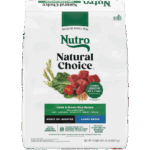 NutroNutro Natural Choice Large Breed Adult Lamb & Brown Rice Recipe Dry Dog Food
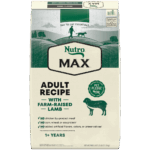 NutroNutro Max Adult Lamb Dry Dog Food
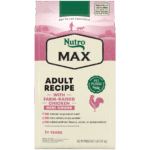 NutroNutro Max Minichunks Chicken Dry Dog Food
 NutroNutro Max Adult Chicken Dry Dog Food
 NutroNutro Max Adult Beef Dry Dog Food
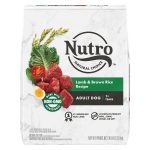 NutroNutro Natural Choice Adult Lamb & Brown Rice Recipe Dry Dog Food
 NutroNutro Max Puppy Chicken Dry Dog Food
 NutroNutro Max Large Breed Puppy Chicken Dry Dog Food
Leaving it out
Foods without peas
For owners who skip peas: popular dry foods priced like the ones that list it ($1.23 to $2.46 per lb), with no peas on the label.
 PurinaPurina Pro Plan Adult Complete Essentials Shredded Blend Chicken & Rice Formula Dry Dog Food
 PurinaPurina Pro Plan Adult Sensitive Skin & Stomach Salmon & Rice Formula Dry Dog Food
 Hill'sHill’s Science Diet Adult 1-6 Small Bites Chicken & Barley Recipe Dry Dog Food
 Hill'sHill’s Science Diet Adult 1-6 Chicken & Barley Recipe Dry Dog Food
 IamsIams Adult Minichunks with Lamb & Rice Dry Dog Food
 Taste of the WildTaste of the Wild Ancient Prairie Canine Recipe with Roasted Bison & Roasted Venison Dry Dog Food
 IamsIams Proactive Health Healthy Puppy Dry Dog Food
 AuthorityAuthority Everyday Health Senior 7+ Dry Dog Food
Checked against the ingredient list we store for each food. Labels change, so read the bag before you buy.
Sources
What we read
Checked October 1, 2026.
- 1 Responses in randomised groups of healthy, adult Labrador retrievers fed grain-free diets with high legume inclusion for 30 days display commonalities with dogs with suspected dilated cardiomyopathy
- 2 The Effects of 7 Days of Feeding Pulse-Based Diets on Digestibility, Glycemic Response and Taurine Levels in Domestic Dogs
- 3 Effects of a 28-day feeding trial of grain-containing versus pulse-based diets on cardiac function, taurine levels and digestibility in domestic dogs
- 4 Correction: Effects of a 28-day feeding trial of grain-containing versus pulse-based diets on cardiac function, taurine levels and digestibility in domestic dogs
- 5 Pea and lentil flour quality as affected by roller milling configuration
- 6 Pea seeds
- 7 Questions & Answers: FDA's Work on Potential Causes of Non-Hereditary DCM in Dogs
- 8 What's in the Ingredients List?