
Ingredient file // Animal protein
Animal Liver
Useful organ nutrition, with an undisclosed species
Animal liver is an organ ingredient from a species the label does not identify. It adds animal protein and flavor to dog food. Its vitamin A content limits how much belongs in a recipe, and the vague name matters if your dog must avoid a particular protein.
Role in the food Supporting nutrient
- What it is
- Liver used as a pet food ingredient without the source animal identified on the label.
- Made from
- Livers separated during animal processing
- Main job
- Animal protein and flavor
- Typical amount
- Generally below 5 to 10% of diet dry matter
- Watch for
- Unknown species during a food allergy trial
- Not the same as
- Dried liver meal
Straight answer
Is Animal Liver safe for dogs?
Read the species gap before choosing the food
Liver in a complete food is a real organ ingredient, but its place on the list gives no amount and "animal" gives no species. Check the food's nutritional adequacy statement. If your dog has a protein allergy or copper-related liver disease, choose a diet whose ingredients fit that condition.
- Why it is in the food
- Animal protein and flavor
- How common
- Listed by 18 of the 3,204 foods we track
Our read // In our catalog
In 1 of every 178 foods we track
Share of foods that list it
<1%
18 of the 3,204 foods with an ingredient list on file, from 5 brands. 17 wet dog food, 1 dog food topper.
Each square is 1% of the catalog
Where it sits on the label
Median position 4. In the top five of 17 foods, so it is usually a main ingredient.
Above the salt
Almost always listed before the salt, so there is more of it than a pinch.
Who leans on it
56%
of the foods that list it are from Pedigree. 5 brands use it in total.
What it is
How it is made
Meat processing produces organs alongside cuts sold as meat. Pet food gives processors another market for liver. For canned food, the liver is blended with other ingredients before the sealed can is heat processed.4,8,9
- 01 // Source Animal livers Livers are separated during slaughter and meat processing alongside other organs.
- 02 // Process Kept chilled Meat ingredients usually travel to pet food plants in refrigerated trucks and are checked on arrival.
- 03 // Output Liver for mixing The liver arrives as a meat ingredient for blending into the food before a sealed can is heat processed.
What is in it
Composition, dry matter
71.4
% protein
The average in a small table of dried liver meal samples. It shows substantial protein, but does not measure this fresh liver ingredient.
Why it is in the bag
A secondary meat that adds vitamin A and flavor
- Main nutrition
- Supporting nutrient
- Does a job
- Mostly filler
It adds animal protein, vitamin A and minerals, and makers value it as a highly palatable ingredient. Vitamin A sets a ceiling: an industry project says liver is generally kept below 5 to 10% of diet dry matter. Labels list ingredients by weight, not amount, so its exact share stays undisclosed. It supports the recipe rather than carrying it.1,3,5
-
01
Adds animal protein
Liver contributes protein alongside the recipe's other animal ingredients. Dried liver meal has a substantial protein share, though a label does not reveal how much liver protein the finished food contains.1,5
-
02
Adds flavor
Manufacturers use liver for its appeal in pet food. That does not tell you whether a particular dog will favor the finished recipe.3
-
03
Gives organs a market
Pet food is a market for organs from meat processing. Selling these parts brings processors revenue and spreads processing costs across more of the animal.8
-
04
Contributes micronutrients
Liver supplies vitamin A and minerals. Manufacturers must account for those nutrients across the whole recipe, especially when deciding how much liver to add.2,3
How much An industry project says liver is generally kept below 5 to 10% of diet dry matter because its vitamin A content varies.3
Our read // The claims
What the evidence supports
Strong: controlled studies in dogs agree. Some: small or mixed dog data. Thin: mechanism or lab work only. None: nothing, or the evidence points the other way.
-
Brands say
Liver adds useful animal protein
Evidence
- Strong
- Some
- Thin
- None
Feedipedia's 4 dried liver meal samples contained 69 to 73.6% crude protein on a dry matter basis. That supports liver as a protein ingredient, but these meal samples cannot show its contribution to a particular food.1,2
-
Owners say
Too much liver causes vitamin A toxicity
Evidence
- Strong
- Some
- Thin
- None
An industry project recommends keeping liver below 5 to 10% of diet dry matter because vitamin A varies among sources. Excess intake is a real formulation concern; liver's presence on a complete food's label does not show excess.3,5
-
Brands say
Liver boosts a dog's immune defenses
Outruns the evidence
Evidence
- Strong
- Some
- Thin
- None
Feedipedia describes protein and micronutrients in liver meal, with its protein range drawn from 4 samples. Composition is not an immune outcome. These sources provide no dog trial showing that adding animal liver improves immune health.1,2
-
Brands say
Every dog finds liver irresistible
Outruns the evidence
Evidence
- Strong
- Some
- Thin
- None
Meat & Livestock Australia calls liver highly palatable, but its project examined vitamin A reduction, not preference in dogs. Liver has a flavor role; an ingredient alone cannot predict whether every dog will like a finished food.3
-
Critics say
Animal liver is unsafe because it is a byproduct
Outruns the evidence
Evidence
- Strong
- Some
- Thin
- None
A 4-sample dried liver meal table shows protein, while AAFCO explains that commercial canned food is heat treated. Byproduct status alone does not show a safety problem. The undisclosed species remains a practical concern for some dogs.1,4
Straight answers
What owners ask
-
Q01
Is it just filler?
NoLiver contributes animal protein and flavor. The useful label question is how much is present and which animal supplied it. An ingredient list gives its order by weight, not its amount.1,3,5
-
Q02
Which animal supplied the liver?
Not disclosedThis ingredient name does not identify the species. AAFCO allows meat and byproduct ingredients from cattle, swine, sheep or goats to appear without a species name. Ask the manufacturer if the answer matters for your dog.4,5
-
Q03
Is it the same as liver meal?
NoLiver meal is dried and ground. The meal figures here describe its dry solids for comparison, not the moisture or exact nutrient content of liver entering a canned recipe.1,2
-
Q04
Should dogs with copper disease avoid it?
Use the vet dietCornell's guidance on home-prepared diets for dogs with copper buildup, written for dogs that refuse commercial food, lists no organ meats. For commercial food, it points to therapeutic low-copper diets. Feed the diet your vet prescribes.6
Who uses it
Brands, best sellers and the company it keeps
Top brands, by foods that list it
Foods that list it / all the brand's recipes we track.
Usually listed with, share of the foods that list it
- Meat By-Products 83%
- Chicken 83%
- Beef 67%
- Sufficient Water For Processing 61%
- Carrageenan 56%
- Wheat Flour 50%
- Minerals 50%
- Potassium Chloride 50%
- Magnesium Proteinate 50%
- Zinc Sulfate 50%
- Copper Proteinate 50%
- Manganese Sulfate 50%
On the shelf
Foods that list Animal Liver
18 foods in our catalog list it, highest on the label first.
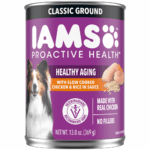 IamsIams Proactive Health Senior With Slow Cooked Chicken AND Rice Classic Ground Wet Dog Food
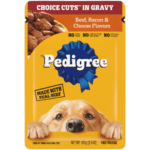 PedigreePedigree Choice Cuts IN Gravy Adult Pouch, Beef, Bacon, & Cheese Wet Dog Food
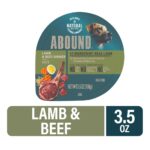 AboundAbound Lamb & Beef Dinner Wet Dog Food
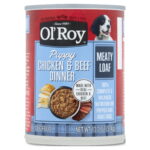 Ol' RoyOl’ Roy Meaty Loaf Chicken and Beef Loaf for Puppies Can Wet Dog Food
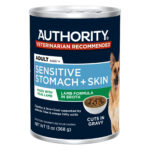 AuthorityAuthority Sensitive Stomach & Skin Cuts in Gravy Adult Wet Dog Food
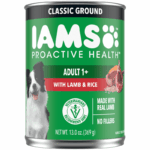 IamsIams Proactive Health With Lamb AND Rice Classic Ground Dog Food Topper
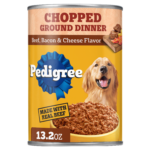 PedigreePedigree Chopped Ground Dinner Adult Can, Beef, Bacon & Cheese Wet Dog Food
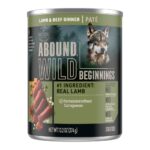 AboundAbound Wild Beginnings Lamb & Beef Dinner Pate Wet Dog Food
 Ol' RoyOl’ Roy Country Chicken Stew Flavor Cuts in Gravy Can Wet Dog Food
Show 9 more
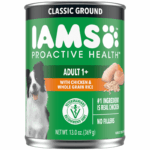 IamsIams Proactive Health With Chicken AND Whole Grain Rice Classic Ground Wet Dog Food
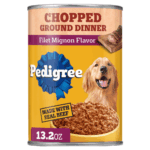 PedigreePedigree Chopped Ground Dinner Adult Can, Filet Mignon Wet Dog Food
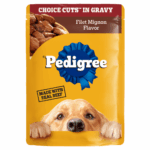 PedigreePedigree Choice Cuts IN Gravy Adult Pouch, Filet Mignon Wet Dog Food
 PedigreePedigree Chopped Ground Dinner Adult Pouch, Chicken Wet Dog Food
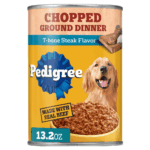 PedigreePedigree Chopped Ground Dinner Adult Can, T-bone Steak Wet Dog Food
 PedigreePedigree Puppy Pouch, Chicken Wet Dog Food
 PedigreePedigree Chopped Ground Dinner Adult Can, Chicken, Liver & Beef Wet Dog Food
 PedigreePedigree Puppy Chopped Ground Dinner, Chicken & Beef Wet Dog Food
 PedigreePedigree Chopped Ground Dinner Adult Can, Turkey & Bacon Wet Dog Food
Sources
What we read
Checked October 1, 2026.
- 1 Liver meal (all species)
- 2 Liver meal from warm-blooded animals
- 3 P.PSH.1430 - Reduction of Vitamin A in lamb liver for pet food application
- 4 Byproducts
- 5 Reading Labels
- 6 Copper hepatopathy and dietary management
- 7 Cutaneous Food Allergy in Animals
- 8 Beef and Pork Byproducts: Enhancing the U.S. Meat Industry’s Bottom Line
- 9 How Pet Food Is Made