
Ingredient file // Flavor
Cane Sugar
Plain table sugar, a treat sweetener with no upside
Cane sugar is ordinary table sugar, almost pure sucrose, and it shows up mainly in soft treats. It makes them taste better and helps hold moisture. For the dog it adds fast calories and nothing else.
Role in the food Does a job- What it is
- Table sugar crystallized from sugarcane juice: sucrose, a sugar built from glucose and fructose joined together.
- Made from
- Juice pressed from sugarcane stalks
- Main job
- Sweetness and moisture control
- Typical amount
- Not published; a 1984 test treat used 15%
- Watch for
- Dogs with diabetes should skip sugared treats
- Not the same as
- Xylitol or other sugar alcohols
Straight answer
Is Cane Sugar safe for dogs?
Accept it in treats, skip it daily
Expect cane sugar in chewy treats, usually beside glycerin and flavor, where it sweetens and holds moisture. In an occasional treat for a healthy dog, that is harmless. A daily food has no reason to contain it, and a diabetic dog should not get it. Never hand over sugar-free human snacks instead.
- Why it is in the food
- Sweetness and moisture control
- How common
- Listed by 5 of the 3,204 foods we track
Our read // In our catalog
In 1 of every 641 foods we track
Share of foods that list it
<1%
5 of the 3,204 foods with an ingredient list on file, from 2 brands. 4 dog food topper, 1 dog treats.
Each square is 1% of the catalog
Where it sits on the label
Median position 2. In the top five of 5 foods, so it is usually a main ingredient.
Above the salt
Almost always listed before the salt, so there is more of it than a pinch.
Who leans on it
80%
of the foods that list it are from Grandma Lucy's. 2 brands use it in total.
What it is
How it is made
Cane sugar is the main product of a sugar mill, not a leftover. Molasses is the leftover. Sugarcane supplies about 40 to 45% of the sugar made in the US, and beets supply the rest.1,2,3,4
- 01 // Source Sugarcane stalks US cane grows in Florida, Louisiana and Texas, and it is milled quickly before its sucrose breaks down.
- 02 // Process Juice pressed out The stalks are pressed to release a sweet juice, which is then boiled down.
- 03 // Process Crystallized and spun Repeated rounds of evaporation, crystallization and centrifuging pull sucrose crystals out of the thickened juice.
- 04 // Process Molasses left over Each 100 tons of cane leaves 3 to 7 tons of molasses, and that goes to animal feed.
- 05 // Output Granulated sugar Dry white crystals, 99.8% sucrose and 0.02% water, shipped to bakeries and treat makers.
What is in it
Composition, dry matter
99.8
% sucrose
The sucrose share of granulated sugar in USDA data. It supplies energy and nothing else: no protein, no fat, no fiber, only trace minerals.
Why it is in the bag
Sweetens and keeps chewy treats soft, nothing more
- Main nutrition
- Supporting nutrient
- Does a job
- Mostly filler
Cane sugar is in treats for two technical jobs. Puppies in taste tests readily accepted sucrose and noticed how much of it a semi-moist food held, so sugar helps a treat get eaten. It also binds free water, alongside salt and glycerol, which keeps a chewy treat soft. Beyond that it adds only calories, with no protein, fat, fiber or vitamins.1,5,7
-
01
Makes treats taste better
In two-bowl tests, puppies accepted sucrose well and responded to how much sugar a semi-moist dog food held. Sweetness is a cheap way to make a treat get eaten.5
-
02
Holds water in chewy treats
Sugar is one of the humectants, along with salt, glycerol and propylene glycol, that bind free water so a soft treat stays at a water activity of 0.60 to 0.85.7
-
03
Adds calories and bulk
At 387 kcal per 100 g, all from carbohydrate, sugar adds energy and bulk to a treat. Cane from Florida, Louisiana and Texas makes 40 to 45% of US-produced sugar.1,4
How much No source gives a typical level. The 1984 puppy taste tests used a semi-moist food sweetened with 15% sucrose as their standard.5
Our read // The claims
What the evidence supports
Strong: controlled studies in dogs agree. Some: small or mixed dog data. Thin: mechanism or lab work only. None: nothing, or the evidence points the other way.
-
Brands say
Dogs like the taste of sugar
Evidence
- Strong
- Some
- Thin
- None
Two-bowl tests in puppies aged 2 to 4 months found sucrose well accepted, and the puppies were sensitive to how much sugar a semi-moist food held. It is one 1984 study in puppies, and it says nothing about health.5
-
Brands say
Sugar keeps chewy treats soft and mold-free
Outruns the evidence
Evidence
- Strong
- Some
- Thin
- None
Sugar is one of several humectants that hold semi-moist foods at a water activity of 0.60 to 0.85. It does not stop mold: those foods stay prone to it, and test recipes add 0.1% or 0.2% potassium sorbate.7,8
-
Owners say
Sugar gives dogs cavities
Outruns the evidence
Evidence
- Strong
- Some
- Thin
- None
In one veterinary dentist's records, 5.25% of adult dogs had at least one caries lesion. Dog saliva runs at pH 7.5 against 6.5 in people, which buffers acid. No trial has tested sugar from treats.6
-
Owners say
Any sugar is poisonous to dogs
Outruns the evidence
Evidence
- Strong
- Some
- Thin
- None
Sucrose is affirmed safe in human food with no limit beyond good manufacturing practice. The dangerous sweetener is xylitol, a sugar alcohol that can crash a dog's blood sugar within 10 to 60 minutes.2,11
Straight answers
What owners ask
-
Q01
Is it just filler?
No, it's flavorIt has two jobs: sweetness and keeping a chewy treat moist. Empty calories is the right complaint. At 387 kcal per 100 g, it brings no protein, fat, fiber or vitamins.1,7
-
Q02
Is cane sugar better than regular sugar?
Same thingRegular white sugar is crystallized from either cane or beet juice, and both are sucrose. Granulated sugar is 99.8% sucrose whichever plant it came from, so cane on the label is a marketing choice.1,2
Who uses it
Brands, best sellers and the company it keeps
Top brands, by foods that list it
Foods that list it / all the brand's recipes we track.
Usually listed with, share of the foods that list it
- Organic Enriched Wheat Flour 80%
- Wheat Flour 80%
- Niacin 80%
- Thiamine Mononitrate 80%
- Riboflavin 80%
- Folic Acid 80%
- Palm Oil 80%
- Organic Invert Cane Sugar Syrup 80%
- Rice Flour 60%
- Cinnamon 60%
- Organic Brown Sugar 40%
- Organic Apple 20%
On the shelf
Foods that list Cane Sugar
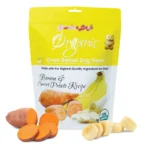
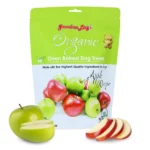
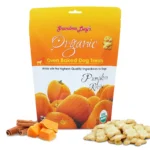
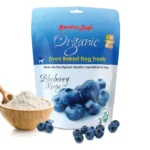
5 foods in our catalog list it, highest on the label first.

Sources
What we read
Checked October 1, 2026.
- 1 Sugars, granulated (FDC ID 169655)
- 2 21 CFR 184.1854 Sucrose
- 3 Sugarcane molasses
- 4 Sugar and Sweeteners: Background
- 5 Preference for sugars and nonnutritive sweeteners in young beagles
- 6 Dental caries in the dog
- 7 Assessment of the antifungal efficacy of whey fermentate alone or in combination with citrus extract to control Aspergillus flavus mold in semi-moist pet food for dogs
- 8 Effects of liquid smoke preparations on shelf life and growth of wild type mold and Aspergillus flavus in a model semi moist pet food
- 9 New Strategies in the Management of Canine Diabetes Mellitus
- 10 Diabetes and Nutrition
- 11 Paws Off Xylitol; It's Dangerous for Dogs