
Ingredient file // Flavor
Organic Invert Cane Sugar Syrup
Plain added sugar, there for taste and texture
Organic invert cane sugar syrup is cane sugar split into glucose and fructose and sold as a thick syrup. In a topper or treat it sweetens, keeps the bite soft and helps it brown. For the dog it is calories and nothing more.
Role in the food Does a job- What it is
- Cane sugar dissolved in water and split, by acid or enzyme, into glucose and fructose.
- Made from
- Organically grown sugarcane, refined into sucrose
- Main job
- Sweetness, softness and browning
- Typical amount
- Not published
- Watch for
- Added calories for overweight or diabetic dogs
- Not the same as
- Xylitol or other sugar alcohols
Straight answer
Is Organic Invert Cane Sugar Syrup safe for dogs?
Count it as a treat, not food
Read it as sugar wherever it sits on the list. When 2 or more sweeteners crowd the top half of a short list, you are buying a sweet bake, not nutrition. It is fine as a small extra for a healthy dog. Skip it for diabetic or dieting dogs.
- Why it is in the food
- Sweetness, softness and browning
- Watch for
- Diabetic dogs; Overweight dogs
- How common
- Listed by 4 of the 3,204 foods we track
Our read // In our catalog
In 1 of every 801 foods we track
Share of foods that list it
<1%
4 of the 3,204 foods with an ingredient list on file, from 1 brand. All dog food topper.
Each square is 1% of the catalog
Where it sits on the label
Median position 4.5. In the top five of 4 foods, so it is usually a main ingredient.
Who leans on it
100%
of the foods that list it are from Grandma Lucy's. 1 brand use it in total.
What it is
How it is made
Sugar refiners make invert syrup for bakers and confectioners, who want a sugar that stays liquid, holds moisture and browns readily. The organic version starts from cane grown to organic farming rules.1,2,3,10
- 01 // Source Organic cane sugar Refined or partly refined sucrose, which is the starting material the US definition of invert sugar names.
- 02 // Process Split by acid or enzyme Acid and heat, or the enzyme invertase, cut each sucrose molecule into one glucose and one fructose.
- 03 // Process Stopped full or medium Full invert keeps only 2 to 8% sucrose in its solids; medium invert keeps about half its sucrose.
- 04 // Output Invert syrup A clear syrup of about 76 to 77% solids, shipped in pails, drums, totes or tanker trucks.
What is in it
Composition, dry matter
45-98
% invert sugar
Share of the syrup's solids that is glucose and fructose. The rest is sucrose. It is sugar through and through, with nothing else for the dog.
Why it is in the bag
There for sweetness and a soft bake
- Main nutrition
- Supporting nutrient
- Does a job
- Mostly filler
US rules list ingredients by weight, so wherever a topper lists it, it outweighs everything named after it. No recipe amount is published. Makers add it to sweeten, keep soft toppers moist and help them brown, and dogs readily accept sucrose and fructose. For the dog it adds sugar calories, about 4 per gram, and nothing else.2,5,11
-
01
Keeps soft bakes soft
Its glucose and fructose hold moisture, so baked toppers and soft treats stay soft instead of drying out. It is also sweeter than table sugar, 123 against 100.2
-
02
Browns the bake
Its glucose and fructose feed the Maillard browning reaction more readily than sucrose, giving color and toasted flavor, and bakers adjust time and temperature to control it.2
-
03
A taste dogs accept
In 2-bowl tests, young beagles readily accepted sucrose and fructose in a semi-moist food and preferred glucose and fructose solutions to plain tap water.5
-
04
Easy to pump and dose
Sold as a liquid alternative to granulated sugar in drums, totes and tankers, it skips a dissolving step and resists crystallizing back out in the finished product.2,3
How much No recipe level is published for pet toppers. The reference food in a 1984 puppy taste study was a semi-moist food sweetened with 15% sucrose.5
Our read // The claims
What the evidence supports
Strong: controlled studies in dogs agree. Some: small or mixed dog data. Thin: mechanism or lab work only. None: nothing, or the evidence points the other way.
-
Brands say
Dogs like the taste of sugar
Evidence
- Strong
- Some
- Thin
- None
Two-bowl tests in beagle puppies aged 2 to 4 months found sucrose and fructose well accepted in a semi-moist food, but maltose drew indifference or rejection. It is one old puppy study, and it shows dogs like some sugars, not every sugar.5
-
Critics say
Sugar in dog food causes diabetes
Outruns the evidence
Evidence
- Strong
- Some
- Thin
- None
Most diabetic dogs have a type 1 pattern; a review names genetics, an immune component and environmental factors. A short dog study saw high-fructose feeding cut liver glucose uptake to 0.8 from 2.8 mg/kg/min, a metabolic shift. Neither tested sugar as a cause.7,8
-
Owners say
Sugar rots dogs' teeth
Outruns the evidence
Evidence
- Strong
- Some
- Thin
- None
Cavities are uncommon in dogs: 23 of 435 dogs at a dental referral practice, 5.3%, had any. The abstract does not report diet, so this record shows no link to dietary sugar either way.6
-
Brands say
Invert sugar is gentler than regular sugar
Outruns the evidence
Evidence
- Strong
- Some
- Thin
- None
It is ordinary cane sucrose already split into glucose and fructose, the same sugars digestion yields, at about 4 kcal per gram. Splitting changes sweetness and texture, not nutrition.1,2
-
Brands say
Organic sugar is healthier for dogs
Outruns the evidence
Evidence
- Strong
- Some
- Thin
- None
Organic describes how the cane was farmed. Harvard Health states the label does not describe a food's quality or nutrient content, and organic invert syrup carries the same sugars and calories as conventional.2,10
Straight answers
What owners ask
-
Q01
Is it just filler?
No, it's sugarFiller implies no job, and this has 3: sweetness, moisture and browning. What it does not do is nourish beyond calories, about 4 per gram of carbohydrate.2
-
Q02
Is it the same as xylitol?
NoXylitol is a sugar alcohol that triggers an insulin surge and can drop a dog's blood sugar within 10 to 60 minutes. Invert syrup is ordinary sugar and carries no such poisoning risk.1,9
-
Q03
Is organic sugar better for my dog?
No differenceOrganic certification covers how the cane was grown, without synthetic pesticides or fertilizers. It says nothing about nutrient content, and the sugars and calories match conventional invert syrup.10
Who uses it
Brands, best sellers and the company it keeps
Top brands, by foods that list it
Foods that list it / all the brand's recipes we track.
Usually listed with, share of the foods that list it
- Organic Enriched Wheat Flour 100%
- Wheat Flour 100%
- Niacin 100%
- Thiamine Mononitrate 100%
- Riboflavin 100%
- Folic Acid 100%
- Cane Sugar 100%
- Palm Oil 100%
- Rice Flour 75%
- Cinnamon 75%
- Organic Brown Sugar 50%
- Organic Apple 25%
On the shelf
Foods that list Organic Invert Cane Sugar Syrup
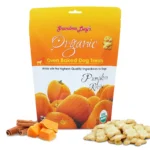
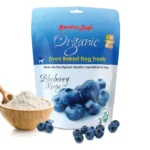
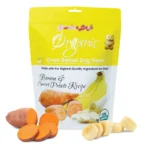
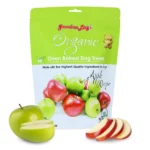
4 foods in our catalog list it, highest on the label first.
Sources
What we read
Checked October 1, 2026.
- 1 21 CFR § 184.1859 - Invert sugar
- 2 Invert Sugar
- 3 Bulk Invert Sugar Syrup
- 4 The Specified Sugar Products (England) Regulations 2003, Schedule 1
- 5 Preference for sugars and nonnutritive sweeteners in young beagles
- 6 Dental caries in the dog
- 7 Hepatic glucose uptake and disposition during short-term high-fat vs. high-fructose feeding
- 8 Animal models of disease: classification and etiology of diabetes in dogs and cats
- 9 Paws Off Xylitol; It's Dangerous for Dogs
- 10 Understanding organic foods
- 11 21 CFR § 501.4 - Animal food; designation of ingredients