
Ingredient file // Flavor
Dill
A seasoning for flavor, not a digestive remedy
Dill is the leaf or seed of a common kitchen herb, added to some wet dog foods for flavor and smell. No study shows it helping a dog's digestion, breath or nutrition at seasoning amounts, and it is non-toxic to dogs.
Role in the food Does a job- What it is
- The leaves or seeds of the dill plant, fresh or dried, used as a seasoning in dog food.
- Made from
- Dill plant leaves and ripe seed heads
- Main job
- Flavor and aroma
- Typical amount
- Not published
- Watch for
- Concentrated dill oil irritates skin and eyes
- Not the same as
- Dill essential oil
Straight answer
Is Dill safe for dogs?
Read it as seasoning and look elsewhere
Dill belongs near the end of a list with the other herbs, because it is a seasoning. Seeing it there tells you nothing about quality. Judge the food by its protein sources and guaranteed analysis, and ignore any digestion or breath claim built on the dill.
- Why it is in the food
- Flavor and aroma
- Watch for
- Dill essential oil on skin
- How common
- Listed by 5 of the 3,204 foods we track
Our read // In our catalog
In 1 of every 641 foods we track
Share of foods that list it
<1%
5 of the 3,204 foods with an ingredient list on file, from 1 brand. All wet dog food.
Each square is 1% of the catalog
Where it sits on the label
Median position 18. In the top five of 0 foods, so it is usually a minor ingredient.
Above the salt
Usually listed after the salt, which caps it at roughly 1% of the recipe in 100% of foods.
Who leans on it
100%
of the foods that list it are from Edgard & Cooper. 1 brand use it in total.
What it is
How it is made
Dill is grown as an herb and spice crop. The leaf, sold as dill weed, and the seed come from the same plant at different stages, and its flavor oil is extracted from any part above ground.1,2,3,5,8
- 01 // Source Dill plants Leaves are cut any time from when the plant is a few inches tall until the seed stalk forms.
- 02 // Process Leaves cut and dried Leaves are used fresh or dried. Drying makes them shelf-stable, but their flavor declines quickly.
- 03 // Process Seed heads cut Flower heads are cut once the seeds are fully developed but before they turn brown.
- 04 // Process Oil distilled, optionally For flavor oil, steam passes through the plant and carries off the aroma compounds, which are condensed.
- 05 // Output Dill weed or seed Dried leaf or seed arrives at about 92% dry matter. Fresh dill is 86% water.
What is in it
Composition, dry matter
22
% protein
Dried dill leaf on a dry basis. It sounds like a lot, but a seasoning amount adds almost nothing to the food's protein.
Why it is in the bag
There for flavor and smell, not nutrition
- Main nutrition
- Supporting nutrient
- Does a job
- Mostly filler
Makers add dill for its taste and aroma. In EFSA's analysis, three aroma compounds made up about 84% of dill herb oil, and EFSA accepts dill as a food flavor. Labels list ingredients by weight as formulated, and dill sits low on the list among the other herbs and produce. The amount is likely too small to change the food's protein, fiber or calcium.1,5,9
-
01
Flavor and aroma
Carvone, limonene and alpha-phellandrene make up about 84% of dill herb oil. Those compounds give dill its smell, and the smell is why it goes in the recipe.5
-
02
A recognized food flavor
EFSA treats dill herb, seed and their oils as recognized food flavors, so no separate proof that it works was required for EU feed use. Safety still got a full assessment with maximum levels.5,6
How much No recipe level is published. EFSA judged dill herb oil safe up to 7 mg/kg and dill seed tincture up to 50 mg/kg of complete dog food.5,6
Our read // The claims
What the evidence supports
Strong: controlled studies in dogs agree. Some: small or mixed dog data. Thin: mechanism or lab work only. None: nothing, or the evidence points the other way.
-
Brands say
Dill adds natural flavor to the food
Evidence
- Strong
- Some
- Thin
- None
EFSA accepts dill herb and seed as food flavors, and about 84% of the herb oil is three aroma compounds. No published trial has tested whether dogs prefer food with dill.5
-
Brands say
Dill settles the stomach and eases gas
Outruns the evidence
Evidence
- Strong
- Some
- Thin
- None
Dill goes into gripe water for colicky babies. The support is a seed extract relaxing rat gut tissue in the lab. The review citing it lists no human trials, and no dog study exists.4
-
Brands say
Dill antioxidants support a dog's health
Outruns the evidence
Evidence
- Strong
- Some
- Thin
- None
Two dill flavonoids neutralized free radicals in test tubes, and extracts improved antioxidant markers in rats fed high-fat diets. Nothing has been measured in dogs eating a seasoning amount in food.4
-
Owners say
Dill freshens your dog's breath
Outruns the evidence
Evidence
- Strong
- Some
- Thin
- None
The only support is traditional: people chewing the seeds to improve bad breath. Lab work shows dill extracts acting on gut and skin bacteria, not oral bacteria. Nothing exists for dogs.4
-
Owners say
Dill is toxic to dogs
Outruns the evidence
Evidence
- Strong
- Some
- Thin
- None
The ASPCA lists dill as non-toxic to dogs, cats and horses. EFSA judged even the concentrated herb oil safe at 7 mg/kg of complete dog food.5,7
Straight answers
What owners ask
-
Q01
Is dill safe for dogs?
YesThe ASPCA lists dill as non-toxic to dogs, cats and horses. The only sign it lists is skin irritation from prolonged contact with the plant's oils, which is not a feeding risk.7
-
Q02
Is it just filler?
No, it's flavorIt is there for taste and smell, not bulk or calories. A seasoning amount adds too little weight to fill anything, and too little protein or calcium to change the analysis.5
-
Q03
Will it help my dog's gas?
Not shownDill is a traditional gas remedy and an ingredient in gripe water for babies. The support is lab work on rat gut tissue. No trial in dogs shows less gas.4
Who uses it
Brands, best sellers and the company it keeps
Top brands, by foods that list it
Foods that list it / all the brand's recipes we track.
Usually listed with, share of the foods that list it
- Water 100%
- Carrots 80%
- Broccoli 80%
- Cranberries 80%
- Chicken 60%
- Duck 60%
- Chicken Liver 60%
- Sweet Potatoes 60%
- Peas 40%
- Apples 40%
- Pumpkin 40%
- Carrageenan 40%
On the shelf
Foods that list Dill
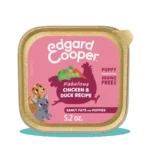
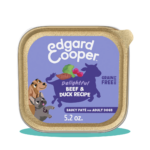
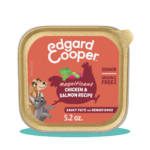
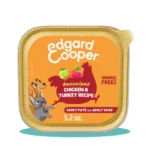
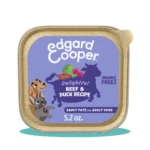
5 foods in our catalog list it, highest on the label first.
Sources
What we read
Checked October 1, 2026.
- 1 Spices, dill weed, dried
- 2 Spices, dill seed
- 3 Dill weed, fresh
- 4 Anethum graveolens: An Indian traditional medicinal herb and spice
- 5 Safety and efficacy of a feed additive consisting of an essential oil from the aerial parts of Anethum graveolens L. (dill herb oil) for use in dogs and cats (FEFANA asbl)
- 6 Safety and efficacy of a feed additive consisting of a tincture derived from the fruit of Anethum graveolens L. (dill tincture) for use in all animal species (FEFANA asbl)
- 7 Dill
- 8 Dill, Anethum graveolens
- 9 Ingredients - Making Pet Food