
Ingredient file // Other
L-Arginine
An essential amino acid, not a health boost
L-arginine is a purified amino acid added to help balance a dog food recipe. Dogs need arginine to make body proteins and clear ammonia. Its appearance on a label does not show that extra arginine improves circulation, immunity or survival.
- What it is
- A purified form of arginine, an amino acid dogs must obtain from food.
- Made from
- Sugars fermented by selected bacteria
- Main job
- Balances dietary arginine
- Typical amount
- AAFCO minimum is 0.51% dry matter for maintenance
- Watch for
- Unneeded supplements on top of complete food
- Not the same as
- Protein meal
Straight answer
Is L-Arginine safe for dogs?
Read it as a recipe adjustment
L-arginine low on the list is a measured amino acid addition. Check the protein ingredients above it, then find the nutritional adequacy statement for your dog's life stage. Give the arginine line credit for helping balance the diet, but no extra credit for circulation, immunity or cancer claims.
- Why it is in the food
- Balances dietary arginine
- Watch for
- Extra doses with complete food
- How common
- Listed by 20 of the 3,204 foods we track
Our read // In our catalog
In 1 of every 160 foods we track
Share of foods that list it
<1%
20 of the 3,204 foods with an ingredient list on file, from 5 brands. 18 dry dog food, 1 frozen dog food, 1 wet dog food.
Each square is 1% of the catalog
Where it sits on the label
Median position 19. In the top five of 0 foods, so it is usually a minor ingredient.
Above the salt
Listed before the salt in 75% of foods. In the rest it is under about 1% of the recipe.
Price per lb
Median of the cheapest bag price across 13 priced foods, 27% above the catalog. The price is the food's, not the ingredient's.
Who leans on it
65%
of the foods that list it are from Royal Canin. 5 brands use it in total.
What it is
How it is made
Feed additive makers ferment sugars with selected bacteria to produce arginine at industrial scale. The result is sold as a highly purified crystalline powder that food makers use to adjust a recipe's amino acid balance.4,5,8
- 01 // Source Sugars Glucose and sucrose supplied carbon to the production bacteria in a published fermentation study.
- 02 // Process Bacterial fermentation Published processes use selected Corynebacterium or E. coli strains to produce arginine in fermenters.
- 03 // Output L-arginine powder A feed grade product is sold as a white crystalline powder containing at least 98.5% L-arginine.
What is in it
Composition, dry matter
98.5
% arginine
The minimum dry matter purity specified for one feed additive. This supplies one amino acid, not the broad nutrient mix in meat.
Why it is in the bag
What the manufacturer gets
-
01
Balances a required nutrient
Adding isolated arginine raises that amino acid without replacing the main protein ingredients. The dog's need is for enough arginine in the complete diet.1,5,7
-
02
Supplies recipes at scale
Industrial fermenters produce concentrated arginine in bulk. A measured addition lets a formulator adjust one amino acid while leaving most of the recipe in place.4,5
How much An EFSA review of one feed additive proposed no fixed inclusion rate, but AAFCO sets a 0.51% dry matter minimum for total arginine in adult maintenance diets.5,9
Our read // The claims
What the evidence supports
Strong: controlled studies in dogs agree. Some: small or mixed dog data. Thin: mechanism or lab work only. None: nothing, or the evidence points the other way.
-
Brands say
Dogs need arginine to clear ammonia
Evidence
- Strong
- Some
- Thin
- None
In adult dog feeding studies, removing arginine caused vomiting, weight loss and elevated blood ammonia; adding 0.28% prevented deficiency signs. That demonstrates a dietary requirement, not a benefit from adding more to an adequate food.1
-
Brands say
Extra arginine improves a dog's circulation
Outruns the evidence
Evidence
- Strong
- Some
- Thin
- None
In 11 healthy dogs, 10 doubled their blood arginine while only 4 reached the targeted citrulline rise. The study measured blood markers, not improved circulation. It reported no adverse blood pressure effects, which is not proof of a benefit.2
-
Brands say
Added arginine strengthens a dog's immunity
Outruns the evidence
Evidence
- Strong
- Some
- Thin
- None
A 32-dog lymphoma trial measured inflammatory blood markers, but its test diet changed arginine and fish oil together. It cannot identify an arginine effect and did not test whether dogs resisted infection better.3
-
Brands say
Arginine helps dogs with lymphoma live longer
Outruns the evidence
Evidence
- Strong
- Some
- Thin
- None
In a randomized 32-dog chemotherapy trial, the diet combined arginine with fish oil. Among Stage III dogs on that diet, rising blood DHA levels tracked with longer disease-free interval and survival, a subgroup dose-response link, not a diet-wide effect. Hill's scientists coauthored the paper.3
Straight answers
What owners ask
-
Q01
Is it just filler?
NoArginine is an essential amino acid with a specific job in the diet. A purified addition helps set the amino acid balance; it does not supply the wider mix of nutrients found in meat or protein meal.1,5
-
Q02
Does it mean meat is missing?
NoThe ingredient list tells you arginine was added, not why. Look at the named protein ingredients and the nutritional adequacy statement together. One amino acid line cannot tell you how much meat the food contains.5,7
-
Q03
Should I give more separately?
Usually noA complete food is meant to meet the dog's nutrient needs. EFSA warns specifically that adding arginine through drinking water on top of a balanced feed can disturb nitrogen balance. A separate dose needs a defined purpose.5,7
Who uses it
Brands, best sellers and the company it keeps
Top brands, by foods that list it
Foods that list it / all the brand's recipes we track.
Usually listed with, share of the foods that list it
- Natural Flavor 70%
- Chicken Fat 65%
- Brewers Rice 60%
- Corn 60%
- Chicken By-Product Meal 60%
- Wheat Gluten 60%
- Corn Gluten Meal 40%
- Fish Oil 35%
- Dried Plain Beet Pulp 35%
- Vegetable Oil 35%
- Corn Protein Meal 25%
- Pea Fiber 25%
On the shelf
Foods that list L-Arginine
20 foods in our catalog list it, highest on the label first.
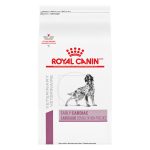 Royal CaninRoyal Canin Veterinary Early Cardiac Dry Dog Food
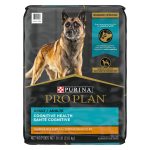 PurinaPurina Pro Plan Adult Cognitive Health Chicken & Rice Formula Dry Dog Food
 PurinaPurina Pro Plan Adult 7+ Bright Mind Chicken & Rice Formula Dry Dog Food
 Royal CaninRoyal Canin Veterinary Mature Consult Dry Dog Food
 Royal CaninRoyal Canin Poodle 8+ Adult Dry Dog Food
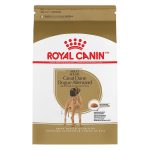 Royal CaninRoyal Canin Great Dane Adult Dry Dog Food
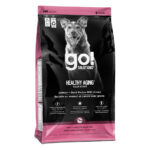 Go! SolutionsGo! Solutions Healthy Aging Salmon + Duck Dry Dog Food
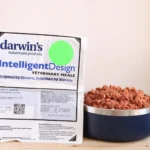 Darwin's Natural Pet ProductsDarwin’s Natural Pet Products Intelligent Design for Dogs Comprehensive Cancer Support Grain-Free Frozen Dog Food
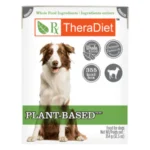 Rayne NutritionRayne Nutrition Plant-Based Chunky Stew Wet Dog Food
Show 11 more
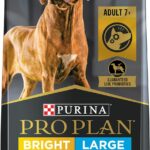 PurinaPurina Pro Plan Adult 7+ Bright Mind Large Breed Chicken & Rice Formula Dry Dog Food
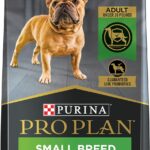 PurinaPurina Pro Plan Adult 7+ Bright Mind Small Breed Chicken & Rice Formula Dry Dog Food
 Royal CaninRoyal Canin Veterinary Urinary SO Aging 7+ Dry Dog Food
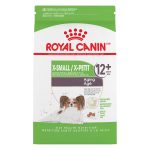 Royal CaninRoyal Canin X-Small Aging 12+ Dry Dog Food
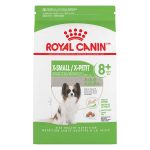 Royal CaninRoyal Canin X-Small Adult 8+ Dry Dog Food
 Royal CaninRoyal Canin Chihuahua 8+ Dry Dog Food
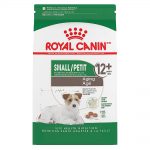 Royal CaninRoyal Canin Small Aging 12+ Dry Dog Food
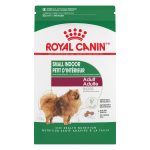 Royal CaninRoyal Canin Small Indoor Adult Dry Dog Food
 Royal CaninRoyal Canin X-Small Adult Dry Dog Food
 Royal CaninRoyal Canin Cavalier King Charles Adult Dry Dog Food
 Royal CaninRoyal Canin X-Small Weight Care Dry Dog Food
Sources
What we read
Checked October 1, 2026.
- 1 Arginine: an indispensable amino acid for mature dogs
- 2 Plasma l-citrulline concentrations in l-arginine-supplemented healthy dogs
- 3 Effect of fish oil, arginine, and doxorubicin chemotherapy on remission and survival time for dogs with lymphoma
- 4 Metabolic engineering of Corynebacterium glutamicum for L-arginine production
- 5 Safety and efficacy of a feed additive consisting of L-arginine produced with Escherichia coli CCTCC M 20231961 for all animal species (Kempex Holland B.V.)
- 6 L-arginine
- 7 How to Understand a Dog or Cat Food Label
- 8 L-Arginine (Free Base) Feed Grade
- 9 Standardized amino acid digestibility and nitrogen-corrected true metabolizable energy of frozen raw, freeze-dried raw, mildly cooked, and retorted dog foods using the precision-fed cecectomized and conventional rooster assays