
Ingredient file // Flavor
Natural Tuna Flavor
A taste cue, not a serving of tuna
Natural tuna flavor is a tuna-derived preparation added mainly for smell and taste. Fish hydrolysates have changed dogs' food choices in trials, but no cited trial tested this exact flavor. Its name gives you no useful measure of the food's protein or fish oil.
Role in the food Does a job- What it is
- A tuna-derived preparation used mainly to give pet food a tuna smell and taste.
- Made from
- Tuna or tuna processing liquid
- Main job
- Adds tuna taste and aroma
- Typical amount
- Not published
- Watch for
- Dogs with a diagnosed fish allergy
- Not the same as
- Tuna meat
Straight answer
Is Natural Tuna Flavor safe for dogs?
Read it as flavor, then check the food
When natural tuna flavor sits low on the list, treat it as a taste cue. Look above it for the main ingredients and read the nutritional adequacy statement, especially on a topper. Choose the product for its full recipe and intended use. Skip this flavor if your dog must avoid fish.
- Why it is in the food
- Adds tuna taste and aroma
- How common
- Listed by 8 of the 3,204 foods we track
Our read // In our catalog
In 1 of every 401 foods we track
Share of foods that list it
<1%
8 of the 3,204 foods with an ingredient list on file, from 2 brands. All dog food topper.
Each square is 1% of the catalog
Where it sits on the label
Median position 5. In the top five of 7 foods, so it is usually a main ingredient.
Who leans on it
88%
of the foods that list it are from Tiki Dog. 2 brands use it in total.
What it is
How it is made
Tuna canning leaves cooking liquid as well as fish for the can. Researchers have turned that liquid into flavor powder. It is one documented route; the ingredient name does not identify a supplier's process.4,5
- 01 // Source Tuna cooking juice Steam cooking tuna releases liquid that the canning process does not put into the can.
- 02 // Process Separated and concentrated Researchers centrifuged the collected liquid, then removed water to concentrate its dissolved material.
- 03 // Process Carrier added In the published powder process, maltodextrin was mixed into the concentrate before drying.
- 04 // Output Tuna flavor powder Spray drying produced a powder; the name on a pet food bag does not specify this method.
What is in it
Composition, dry matter
71-76
% protein
The range in 2 tested tuna hydrolysates. It describes concentrated ingredients, not the protein a dog receives from an undisclosed amount of flavor.
Why it is in the bag
There for tuna taste and smell, not nutrition
- Main nutrition
- Supporting nutrient
- Does a job
- Mostly filler
Makers add it so a topper smells and tastes of tuna. Federal rules define a natural flavor as one whose main function is flavoring, not nutrition. Labels list ingredients by weight but give no amounts, so the bag cannot tell you how much protein it adds. In one dog trial, a salmon hydrolysate diet drew more intake than its control. A second trial found dogs ate fish and shrimp hydrolysate diets equally. Neither tested tuna flavor.1,2,7,11
-
01
Adds a fish aroma
A concentrated tuna preparation changes a food's smell and taste without requiring visible pieces of fish. Flavor is its stated function under animal food labeling rules.4,5
-
02
Encourages food choice
Dogs ate more of a diet with salmon hydrolysate than its control in one test. A separate mixed-fish hydrolysate test found no preference, so tuna flavor has no proven effect here.1,2
-
03
Uses canning leftovers
The published tuna powder process starts with cooking liquid left by canning. Turning that stream into flavor gives processors another product without setting aside tuna fillets for it.4
How much Dog trials tested 10% salmon hydrolysate and 5% mixed-fish hydrolysate; neither measured the amount of natural tuna flavor on a bag.1,2,7
Our read // The claims
What the evidence supports
Strong: controlled studies in dogs agree. Some: small or mixed dog data. Thin: mechanism or lab work only. None: nothing, or the evidence points the other way.
-
Brands say
Tuna flavor makes dogs want their food
Outruns the evidence
Evidence
- Strong
- Some
- Thin
- None
In a dog test, a diet with 10% salmon hydrolysate drew more intake than a control. A separate 12-dog test found no preference between mixed-fish and shrimp hydrolysate diets. Neither tested natural tuna flavor.1,2
-
Brands say
Tuna flavor supplies omega-3 for a healthy coat
Outruns the evidence
Evidence
- Strong
- Some
- Thin
- None
A 12-dog trial changed fish oil along with the hydrolysate, so higher blood omega-3 cannot be credited to flavor. Coat scores did not improve. The oil content and amount of this tuna flavor are unknown.2,7
-
Brands say
Tuna flavor adds meaningful fish protein
Outruns the evidence
Evidence
- Strong
- Some
- Thin
- None
Two tested tuna hydrolysates held 70.7% to 76.37% protein on a dry basis. That measures the concentrates, not their contribution to a food. Ingredient lists give no amount for the flavor.3,7
-
Owners say
Natural tuna flavor is safer than artificial flavor
Outruns the evidence
Evidence
- Strong
- Some
- Thin
- None
AAFCO says natural describes sources and permitted processing, not a safety advantage. A published tuna flavor powder even added maltodextrin before drying. Neither the label term nor that example shows this flavor is safer.4,6
-
Owners say
A little tuna flavor cannot affect fish allergies
Outruns the evidence
Evidence
- Strong
- Some
- Thin
- None
A university diet-trial guide calls for exclusive feeding for 6 to 10 weeks and warns that small exposures to a suspect food matter. The flavor name gives no guarantee that an allergic dog will tolerate it.8
Straight answers
What owners ask
-
Q01
Is it just filler?
NoIt has a job: adding flavor. Fish hydrolysate changed dogs' food choice in one trial, though the response differed in another. There is no cited dog test of this exact tuna flavor.1,2,5
-
Q02
Does it mean real tuna?
Tuna-derivedIt points to tuna-derived flavor material, not chunks of tuna. Natural flavors include extracts and hydrolysates, and the ingredient list does not state how much tuna-derived material the recipe holds.5,7
-
Q03
Should I worry about mercury?
Check contextFDA measurements differ among tuna types. This label gives neither the tuna type nor the amount of flavor, so it cannot tell you the exposure. Look more closely if tuna itself is a major ingredient.7,9
-
Q04
Does it make a topper complete?
NoFlavor says nothing about whether a product meets a dog's nutritional needs. Read the nutritional adequacy statement to see whether the topper is complete and balanced or intended only for supplemental feeding.7
Who uses it
Brands, best sellers and the company it keeps
Top brands, by foods that list it
Foods that list it / all the brand's recipes we track.
Usually listed with, share of the foods that list it
- Sunflower Oil 88%
- Fish Extracts 88%
- Chicken Flavor 88%
- Xanthan Gum 88%
- Dried Egg 88%
- Tuna 25%
- Chicken 25%
- Beef 25%
- Water 13%
- Tapioca Starch 13%
- Guar Gum 13%
- Yeast Extract 13%
On the shelf
Foods that list Natural Tuna Flavor
8 foods in our catalog list it, highest on the label first.
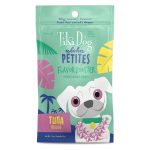 Tiki DogTiki Dog Aloha Petites Flavor Booster Tuna Bisque Dog Food Topper
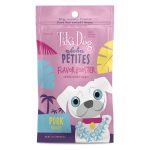 Tiki DogTiki Dog Aloha Petites Flavor Booster Pork Bisque Dog Food Topper
 INABAInaba Churu Meal Tuna with Beef Recipe Grain-Free Dog Food Topper
Show 5 more
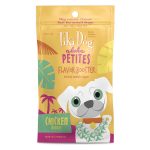 Tiki DogTiki Dog Aloha Petites Flavor Booster Chicken Bisque Dog Food Topper
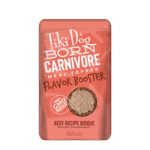 Tiki DogTiki Dog Aloha Petites Flavor Booster Beef Bisque Dog Food Topper
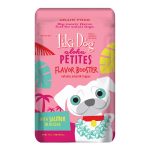 Tiki DogTiki Dog Aloha Petites Flavor Booster Salmon Bisque Grain-Free Dog Food Topper
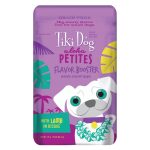 Tiki DogTiki Dog Aloha Petites Flavor Booster Lamb Bisque Grain-Free Dog Food Topper
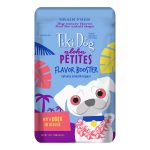 Tiki DogTiki Dog Aloha Petites Flavor Booster Duck Bisque Grain-Free Dog Food Topper
Sources
What we read
Checked October 1, 2026.
- 1 Fish meals, fish components, and fish protein hydrolysates as potential ingredients in pet foods
- 2 Protein hydrolysate and oil from fish waste reveal potential as dog food ingredients
- 3 Effect of different hydrolysis methods on composition and functional properties of fish protein hydrolysate obtained from Bigeye tuna waste
- 4 The compositions and properties of spray dried tuna flavor powder produced from tuna precooking juice
- 5 21 CFR § 501.22 Animal foods; labeling of spices, flavorings, colorings, and chemical preservatives
- 6 Natural
- 7 Reading Labels
- 8 Hydrolyzed Diets
- 9 Mercury Levels in Commercial Fish and Shellfish (1990-2012)
- 10 Scombrotoxin Poisoning and Decomposition
- 11 21 CFR § 501.22 Animal foods; labeling of spices, flavorings, colorings and chemical preservatives