
Ingredient file // Flavor
Fish Extracts
A flavor tool with an unclear dose
Fish extracts are concentrated material recovered from fish. Their clearest job in dog food is adding fish flavor. A tested salmon extract made one food more appealing, but the label does not tell you which fish was used, how it was processed or how much was added.
Role in the food Does a job
- What it is
- Concentrated material recovered from fish or fish processing scraps, commonly used to add fish taste.
- Made from
- Fish or fish processing scraps
- Main job
- Fish flavor
- Typical amount
- Not published
- Watch for
- A dog with a diagnosed fish allergy
- Not the same as
- Fish oil
Straight answer
Is Fish Extracts safe for dogs?
Read it as flavor until shown otherwise
If fish extracts sits low on the list, read it as flavor. If it sits high, check the food's protein and fat guarantees and ask the maker which fish and process were used. The name alone promises neither a useful omega-3 dose nor safety for a fish-allergic dog.
- Why it is in the food
- Fish flavor
- Watch for
- Dogs with fish allergy
- How common
- Listed by 7 of the 3,204 foods we track
Our read // In our catalog
In 1 of every 458 foods we track
Share of foods that list it
<1%
7 of the 3,204 foods with an ingredient list on file, from 1 brand. All dog food topper.
Each square is 1% of the catalog
Where it sits on the label
Median position 4. In the top five of 7 foods, so it is usually a main ingredient.
Who leans on it
100%
of the foods that list it are from Tiki Dog. 1 brand use it in total.
What it is
How it is made
Fish processing leaves heads, skin and trimmings after other products are prepared. One documented way to recover value from those leftovers uses enzymes to release soluble material, then separates and concentrates it.2
- 01 // Source Fish leftovers A studied extract began with heads, tails, skin, fish slices and some whole fish.
- 02 // Process Protein broken down An enzyme cut proteins in the minced fish into smaller pieces.
- 03 // Process Oil separated Filtering removed remaining scales and bones; centrifuging separated oil from the protein-rich liquid.
- 04 // Output Dried extract The protein-rich liquid was concentrated and spray dried for use in the studied dog food.
What is in it
Composition, dry matter
76-90
% protein
Across 11 samples of condensed, defatted fish solubles, crude protein spanned this range. It does not describe every fish extract.
Why it is in the bag
There for fish flavor; protein share unknown
- Main nutrition
- Supporting nutrient
- Does a job
- Mostly filler
Makers add fish extracts mainly for taste: in a controlled test, dogs ate more of a diet containing salmon protein hydrolysate than the comparison diet. Some extract types are protein-rich on their own, but labels rank ingredients by weight without giving amounts, so even a spot near the top of a list does not show how much protein it adds. Treat any protein contribution as possible, not proven.1,5,6
-
01
Adds fish flavor
In one feeding test, dogs ate more of a food containing salmon protein hydrolysate than its comparison food. That gives makers a reason to use an extract for taste.1
-
02
Uses processing leftovers
Heads, skin and trimmings remain after fish are prepared for other products. Recovering an extract gives processors another product to sell from that material.2
-
03
Contributes some protein
Condensed, defatted fish solubles contain concentrated protein. How much reaches the bowl depends on the recipe amount, which an ingredient list does not disclose.5,6
How much Dog studies tested fish hydrolysates at 5% and 10% of complete diets. Neither figure tells us the typical inclusion rate for fish extracts, which recipes do not publish.1,2
Our read // The claims
What the evidence supports
Strong: controlled studies in dogs agree. Some: small or mixed dog data. Thin: mechanism or lab work only. None: nothing, or the evidence points the other way.
-
Brands say
Fish extracts make food taste better
Outruns the evidence
Evidence
- Strong
- Some
- Thin
- None
In a 10-dog, 2-bowl test, dogs favored food with 10% salmon hydrolysate. A separate 12-dog crossover swapped fish hydrolysate and fish oil for shrimp hydrolysate and salmon oil, with other ingredients adjusted, and found no preference between the two complete diets, not between the extracts alone.1,2
-
Brands say
Fish extracts make this a high-protein food
Outruns the evidence
Evidence
- Strong
- Some
- Thin
- None
Crude protein ranged from 75.6 to 89.9% across 11 samples of condensed, defatted fish solubles. That measures an ingredient type, not its amount in a recipe. The label cannot show a meaningful protein boost.5,6
-
Brands say
Fish extracts improve skin and coat through omega-3s
Outruns the evidence
Evidence
- Strong
- Some
- Thin
- None
In a 12-dog crossover, a diet containing fish hydrolysate and separately swapped-in fish oil raised blood omega-3 measures without improving coat scores. The design cannot credit the extract alone for the blood change or a coat benefit.2
-
Owners say
Fish extracts are safe for fish-allergic dogs
Outruns the evidence
Evidence
- Strong
- Some
- Thin
- None
In a 50-dog diet trial, 5 dogs reacted to a fish challenge yet tolerated the specially hydrolyzed diet. That result applies to that diet, not unspecified fish extracts. Fish reactions were also documented in cod challenges.3,4
-
Critics say
Fish extracts are just filler
Outruns the evidence
Evidence
- Strong
- Some
- Thin
- None
Dogs ate more of a diet with 10% salmon protein hydrolysate in a controlled comparison. Flavor is a measured job for that extract, although the test does not prove every fish extract works equally well.1
Straight answers
What owners ask
-
Q01
Is it just filler?
NoIts likely job is flavor. Dogs favored a tested salmon hydrolysate diet over its comparison. Read fish extracts as a taste ingredient unless the maker provides an amount showing a substantial nutritional contribution.1,6
-
Q02
Is it the same as fish oil?
NoIn a documented process, the oil was separated from the protein-rich liquid used to make a hydrolysate. Fish extracts do not promise a measured dose of fish oil or omega-3s.2
-
Q03
Can my fish-allergic dog eat it?
Skip itThe label does not identify the fish or promise the extensive processing used in a tested elimination diet. Keep fish extracts out of a fish-free diet for a dog with a diagnosed fish reaction.3,4
Who uses it
Brands, best sellers and the company it keeps
Top brands, by foods that list it
Foods that list it / all the brand's recipes we track.
Usually listed with, share of the foods that list it
- Sunflower Oil 100%
- Natural Tuna Flavor 100%
- Chicken Flavor 100%
- Xanthan Gum 100%
- Dried Egg 100%
- Tuna Broth 14%
- Tuna 14%
- Pork Broth 14%
- Pork 14%
- Chicken Broth 14%
- Chicken 14%
- Beef Broth 14%
On the shelf
Foods that list Fish Extracts
7 foods in our catalog list it, highest on the label first.
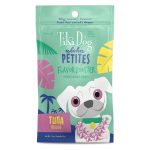 Tiki DogTiki Dog Aloha Petites Flavor Booster Tuna Bisque Dog Food Topper
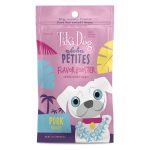 Tiki DogTiki Dog Aloha Petites Flavor Booster Pork Bisque Dog Food Topper
Show 5 more
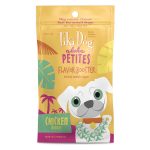 Tiki DogTiki Dog Aloha Petites Flavor Booster Chicken Bisque Dog Food Topper
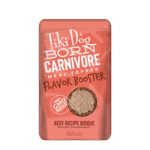 Tiki DogTiki Dog Aloha Petites Flavor Booster Beef Bisque Dog Food Topper
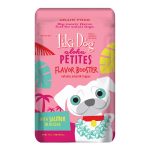 Tiki DogTiki Dog Aloha Petites Flavor Booster Salmon Bisque Grain-Free Dog Food Topper
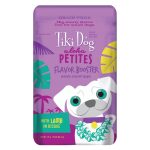 Tiki DogTiki Dog Aloha Petites Flavor Booster Lamb Bisque Grain-Free Dog Food Topper
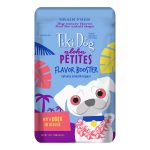 Tiki DogTiki Dog Aloha Petites Flavor Booster Duck Bisque Grain-Free Dog Food Topper
Sources
What we read
Checked October 1, 2026.
- 1 Fish meals, fish components, and fish protein hydrolysates as potential ingredients in pet foods
- 2 Protein hydrolysate and oil from fish waste reveal potential as dog food ingredients
- 3 An open label clinical trial to evaluate the utility of a hydrolysed fish and rice starch elimination diet for the diagnosis of adverse food reactions in dogs
- 4 IgE reactivity to fish allergens from Pacific cod (Gadus macrocephalus) in atopic dogs
- 5 Fish solubles, condensed, defatted
- 6 What's in the Ingredients List?