
Ingredient file // Flavor
Natural Turkey and Chicken Flavor
A flavor cue, not a meat serving
Natural Turkey and Chicken Flavor is added to give kibble a poultry flavor. Flavorings can affect which food dogs choose, but this label does not disclose the blend or show that it supplies meaningful nutrition.
Role in the food Does a job- What it is
- A flavoring identified with turkey and chicken whose full recipe is not disclosed on the label.
- Made from
- Turkey and chicken flavor sources, undisclosed
- Main job
- Make kibble more appealing
- Typical amount
- Powders 0.5 to 2%; liquids 1 to 3%
- Watch for
- Chicken or turkey in an allergy diet
- Not the same as
- Whole turkey or chicken
Straight answer
Is Natural Turkey and Chicken Flavor safe for dogs?
Read it as flavor and check the meat
Look above this ingredient for the turkey and chicken that supply the food's protein. A flavoring low on the list is there to make kibble appealing; it does not tell you how much meat the recipe contains. If your dog must avoid poultry, count this line as poultry.
- Why it is in the food
- Make kibble more appealing
- Watch for
- Dogs with poultry allergy
- How common
- Listed by 10 of the 3,204 foods we track
Our read // In our catalog
In 1 of every 320 foods we track
Share of foods that list it
<1%
10 of the 3,204 foods with an ingredient list on file, from 1 brand. All dry dog food.
Each square is 1% of the catalog
Where it sits on the label
Median position 9. In the top five of 0 foods, so it is usually a supporting ingredient.
Above the salt
Almost always listed before the salt, so there is more of it than a pinch.
Price per lb
Median of the cheapest bag price across 9 priced foods, 19% below the catalog. The price is the food's, not the ingredient's.
Who leans on it
100%
of the foods that list it are from NutriSource. 1 brand use it in total.
What it is
How it is made
Poultry processing supplies tissues that flavor makers can turn into savory ingredients. Enzyme treatment is one common route, but the name Natural Turkey and Chicken Flavor does not reveal this blend's materials or method.1,3,6
- 01 // Source Poultry materials Flavor makers use poultry processing materials such as liver and heart; this blend's specific materials are undisclosed.
- 02 // Process Flavor developed In a common method, enzymes break tissue proteins into smaller peptides and amino acids.
- 03 // Process Prepared for use Commercial flavorings are supplied as powders or liquids, often for coating dry kibble.
- 04 // Output Poultry flavoring The finished flavoring reaches the kibble plant; its name alone does not identify its form.
What is in it
Composition, dry matter
66
% protein
Calculated for a tested chicken liver hydrolysate. It describes one possible poultry flavor material, not this undisclosed turkey and chicken blend.
Why it is in the bag
There to make kibble taste like poultry
- Main nutrition
- Supporting nutrient
- Does a job
- Mostly filler
A review calls dry kibble the least palatable pet food format, so makers spray palatants on it. Powders are generally added at 0.5 to 2% of the food and liquids at 1 to 3%. At that amount it adds poultry flavor, not a meaningful serving of turkey or chicken protein. Dog preference tests with poultry liver flavors have given mixed results.1,3,7
-
01
Makes kibble appealing
Flavoring on dry kibble reaches a dog's nose as it approaches the bowl. Poultry liver flavor changed food preference in company tests, although results depend on the recipe.3,7
-
02
Masks base food odors
Flavor blends add savory notes and can cover odors from the cooked ingredients underneath. The result depends on the food and how the flavoring is applied.3
-
03
Works in small amounts
Commercial palatants are used at a small share of a dry food. A liquid coating can also avoid the step of dissolving a powder before spraying.3
How much A review reports 0.5 to 2% for powder palatants and 1 to 3% for liquids; this blend's amount is undisclosed.3
Our read // The claims
What the evidence supports
Strong: controlled studies in dogs agree. Some: small or mixed dog data. Thin: mechanism or lab work only. None: nothing, or the evidence points the other way.
-
Brands say
It makes picky dogs eat their food
Outruns the evidence
Evidence
- Strong
- Some
- Thin
- None
A company patent reports preference tests with 25 dogs in which some poultry liver formulas beat controls. A separate 22-dog study found no preference for a chicken liver hydrolysate diet. Neither tested this blend or picky dogs specifically.1,7
-
Owners say
Natural flavor is safer for dogs
Outruns the evidence
Evidence
- Strong
- Some
- Thin
- None
AAFCO allows heat processing and hydrolysis within its natural guidance and states that natural does not mean safer. The guidance offers no controlled dog comparison showing a safety advantage for natural flavor.4
-
Brands say
The flavor supplies substantial turkey and chicken protein
Outruns the evidence
Evidence
- Strong
- Some
- Thin
- None
One chicken liver hydrolysate measured about 66% protein on a dry matter basis. Powder palatants generally occupy just 0.5 to 2% of a food, and this blend's composition is undisclosed. Treat it as flavoring, not a meat serving.1,3
-
Owners say
Hydrolyzed poultry flavor is safe for chicken allergies
Outruns the evidence
Evidence
- Strong
- Some
- Thin
- None
In a blinded crossover trial, 11 of 12 chicken-reactive dogs had less severe signs on a hydrolyzed chicken diet than on whole chicken. This flavor is not identified as hydrolyzed, so that trial cannot show it is safe.2,6
Straight answers
What owners ask
-
Q01
Is it just filler?
NoIts job is flavor. Poultry flavor materials changed food preference in some dog tests, though not every test. That does not make this ingredient a meaningful source of turkey, chicken or protein.1,7
-
Q02
Does it mean real turkey meat?
Not necessarilyThe flavor name does not tell you how much turkey or chicken meat is present. AAFCO explains that a chicken flavor can come from chicken fat or another flavor source. Check the other ingredients for named meats.5
-
Q03
Can my chicken-allergic dog eat it?
Avoid itTreat a named chicken flavor as a possible chicken exposure. The label does not say whether its protein was hydrolyzed or tested for allergy use, so it does not belong in a strict chicken elimination diet.2,6
Who uses it
Brands, best sellers and the company it keeps
Top brands, by foods that list it
Foods that list it / all the brand's recipes we track.
Usually listed with, share of the foods that list it
- Chicken Fat 80%
- Tocopherols 80%
- Citric Acid 80%
- Flax Seed 80%
- Turkey 70%
- Chicken Flavor 70%
- Menhaden Fish Meal 70%
- Brown Rice 70%
- Barley 70%
- Oatmeal 70%
- Dried Plain Beet Pulp 60%
- Chicken 50%
On the shelf
Foods that list Natural Turkey and Chicken Flavor
10 foods in our catalog list it, highest on the label first.
 NutriSourceNutriSource Senior Chicken & Rice Recipe Dry Dog Food
 NutriSourceNutriSource Large Breed Lamb Meal & Rice Recipe Dry Dog Food
 NutriSourceNutriSource Element Series Outback Trails Recipe Dry Dog Food
Show 7 more
 NutriSourceNutriSource Lamb Meal & Rice Recipe Dry Dog Food
 NutriSourceNutriSource Adult Chicken & Rice Recipe Dry Dog Food
 NutriSourceNutriSource Grain-Free Large Breed Lamb Meal & Peas Recipe Dry Dog Food
 NutriSourceNutriSource Performance Chicken & Rice Recipe Dry Dog Food
 NutriSourceNutriSource Turkey & Rice Recipe Dry Dog Food
 NutriSourceNutriSource Super Performance Dry Dog Food
 NutriSourceNutriSource Grain-Free Heartland Select Recipe Dry Dog Food
Leaving it out
Foods without chicken
For owners who skip chicken: popular dry foods priced like the ones that list it ($1.83 to $3.67 per lb), with no chicken on the label.
 PurinaPurina Pro Plan Adult Sensitive Skin & Stomach Salmon & Rice Formula Dry Dog Food
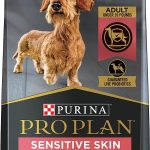 PurinaPurina Pro Plan Adult Sensitive Skin & Stomach Small Breed Formula Dry Dog Food
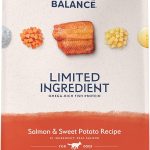 Natural BalanceNatural Balance L.I.D. Limited Ingredient Diets Grain-Free Salmon & Sweet Potato Dry Dog Food
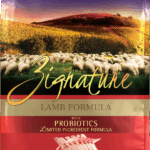 ZignatureZignature Original Lamb Formula with Probiotics Grain-Free Dry Dog Food
 Natural BalanceNatural Balance L.I.D. Limited Ingredient Diets Lamb & Brown Rice Dry Dog Food
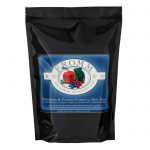 FrommFromm Four-Star Whitefish & Potato Formula Dry Dog Food
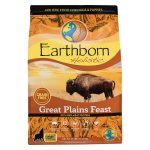 Earthborn HolisticEarthborn Holistic Great Plains Feast Grain-Free Dry Dog Food
 Earthborn HolisticEarthborn Holistic Meadow Feast Grain-Free Dry Dog Food
Checked against the ingredient list we store for each food. Labels change, so read the bag before you buy.
Sources
What we read
Checked October 1, 2026.
- 1 Characterisation of spray dried hydrolysed chicken liver powder: effects on palatability and digestibility when included as single source of animal protein in dog diets
- 2 A comparison of the clinical manifestations of feeding whole and hydrolysed chicken to dogs with hypersensitivity to the native protein
- 3 Dry Pet Food Flavor Enhancers and Their Impact on Palatability: A Review
- 4 Natural
- 5 Reading Labels
- 6 Official Names and Definitions of Feed Ingredients
- 7 Methods for enhancing palatability of compositions for animal consumption