
Ingredient file // Fruit or vegetable
Plums
A sweet flavor fruit, not a digestive aid
Plums in dog food are the pitted fruit flesh, fresh, pureed or dried. Fresh plums are mostly water and sugar, so the small share a recipe holds adds flavor and a fruit line, not real help with digestion.
Role in the food Does a job- What it is
- The flesh of the plum fruit with the stone taken out, added fresh, pureed or dried.
- Made from
- Ripe plums with the stones removed
- Main job
- Sweetness and fruit flavor
- Typical amount
- Not published
- Watch for
- Pits, stems and leaves carry cyanide-forming compounds
- Not the same as
- Plum pits or kernels
Straight answer
Is Plums safe for dogs?
Read past it to the meat and fat
Plum belongs low in the list, after the meats, organs and fat, where a flavor fruit does its small job. Judge the food on its protein sources and its analysis. Ignore any regularity, antioxidant or prebiotic claim hung on the plum line, and if plum ranks near the top, ask the brand why.
- Why it is in the food
- Sweetness and fruit flavor
- How common
- Listed by 1 of the 3,204 foods we track
Our read // In our catalog
In 1 of every 3,204 foods we track
Share of foods that list it
<1%
1 of the 3,204 foods with an ingredient list on file, from 1 brand. All freeze-dried dog food.
Each square is 1% of the catalog
Where it sits on the label
Median position 28. In the top five of 0 foods, so it is usually a minor ingredient.
Who leans on it
100%
of the foods that list it are from Wysong. 1 brand use it in total.
What it is
How it is made
Plums come from the fruit industry, which sells them fresh, dries them into prunes or cooks them into puree. Pet food makers buy the pitted flesh in one of those forms.1,3,6,8
- 01 // Source Ripe plums Whole fruit. The stone and other waste make up about 6% of its weight.
- 02 // Process Pitted Stones come out, because the kernel inside holds the cyanide-forming compounds.
- 03 // Process Dried or pureed Drying into prunes concentrates the sugars. Prunes carry about 14.7 g sorbitol per 100 g.
- 04 // Output Plum flesh Fresh, pureed or dried pitted fruit, weighed into the recipe at the food plant.
What is in it
Composition, dry matter
76
% sugars
About three quarters of a fresh plum's dry weight is sugar. It is a sweet ingredient first and a fiber source second.
Why it is in the bag
There for sweet flavor and a fruit name
- Main nutrition
- Supporting nutrient
- Does a job
- Mostly filler
Makers add plum for a sweet, fruity note and a fruit name shoppers like. Fresh plum is 88% water, and its dry part is about 76% sugar. Labels list ingredients by weight, so when plum appears low in the list, after the meats and fat, it is likely too little to change the food's nutrition. Prunes raised stool weight in people eating 120 g a day, a much larger dose than a low-listed fruit would supply.1,4,9
-
01
Sweetness and flavor
On a dry basis a plum is about 76% sugar. A little of it adds a sweet, fruity note to a recipe built on meat, organs and fat.1
-
02
A fruit on the label
A named fruit reads well to shoppers. At the small share a recipe uses, it adds little that the meat and the vitamin and mineral premix do not already supply.1
-
03
A little fiber and sorbitol
Fresh plums carry about 2 g fiber per 100 g plus sorbitol, which pulls water into the gut. The amounts that reach the dog are small.1,2
How much The closest canine work is a test-tube fermentation study of a peach, almond, nectarine and plum blend, not a feeding trial at a set amount.5
Our read // The claims
What the evidence supports
Strong: controlled studies in dogs agree. Some: small or mixed dog data. Thin: mechanism or lab work only. None: nothing, or the evidence points the other way.
-
Brands say
Sorbitol and fiber in plums keep dogs regular
Outruns the evidence
Evidence
- Strong
- Some
- Thin
- None
In a 4-week trial of 120 adults, 120 g of prunes a day raised stool weight by about 33 g a day. That is people eating dried fruit at a large dose, far from the small share of plum in a dog recipe.3,4
-
Brands say
Plums give dogs antioxidant protection
Outruns the evidence
Evidence
- Strong
- Some
- Thin
- None
Prunes hold about 184 mg phenolics per 100 g, and those compounds slowed human LDL oxidation in a test tube. The claim rests on lab work like that, and fresh plum in a recipe is far less concentrated than a prune.3
-
Brands say
Plum fiber feeds good gut bacteria
Outruns the evidence
Evidence
- Strong
- Some
- Thin
- None
The one canine test used a blend of peach, almond, nectarine and plum, not plum fiber alone. Dog fecal bacteria fermented it poorly, making little gas or short-chain fatty acid. The evidence runs against the claim.5
-
Owners say
Plums are toxic to dogs
Outruns the evidence
Evidence
- Strong
- Some
- Thin
- None
ASPCA lists the plum plant as toxic, but its cyanide compounds sit in the stems, leaves and seeds, and vets place the danger in the kernel inside the pit. Pitted flesh is not the toxic part.6,8
Straight answers
What owners ask
-
Q01
Is it just filler?
Mostly flavorIt is not bulk filler. Fresh plum is 88% water and its dry part is mostly sugar, so in a meat-led recipe it adds sweetness and a fruit name, not meaningful nutrition.1
-
Q02
Will plums upset my dog's stomach?
Unlikely in foodSorbitol is the laxative part. In people, 120 g of prunes a day raised stool weight, frequency and flatulence, and was still well tolerated. Plum sits low in a dog food, well below that kind of dose.3,4
-
Q03
Can I share fresh plums with my dog?
Flesh onlyCut the flesh away and throw out the pit, stem and leaves. The kernel holds cyanide compounds, and a swallowed whole pit lodges in the gut often enough that surgery is a known outcome.6,8
Who uses it
Brands, best sellers and the company it keeps
Top brands, by foods that list it
Foods that list it / all the brand's recipes we track.
Usually listed with, share of the foods that list it
- Beef 100%
- Beef Organs 100%
- Chicken 100%
- Beef Bone 100%
- Beef Fat 100%
- Natural Flavor 100%
- Vitamins 100%
- Calcium Carbonate 100%
- Ascorbic Acid 100%
- Vitamin E 100%
- Niacin 100%
- D-Calcium Pantothenate 100%
On the shelf
Foods that list Plums
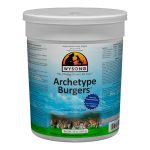
1 food in our catalog lists it, highest on the label first.
Sources
What we read
Checked October 1, 2026.
- 1 Plums, raw
- 2 Soluble solid assessment of California Prunus domestica germplasm
- 3 Chemical composition and potential health effects of prunes: a functional food?
- 4 The effect of prunes on stool output, gut transit time and gastrointestinal microbiota: a randomised controlled trial
- 5 Fruit and vegetable fiber fermentation by gut microflora from canines
- 6 Plum: toxic and non-toxic plants
- 7 Cyanide Poisoning in Animals
- 8 6 Dangers of Stone Fruits for Dogs
- 9 Animal Food Labeling and Pet Food Claims