
Ingredient file // Plant protein
Pumpkin Seed Flour
Useful seed protein, no worm cure
Pumpkin seed flour is ground seed material made from whole seeds or from the cake left after oil pressing. It supplies plant protein and some fat to dog food. Its makeup depends heavily on which material was milled.
- What it is
- Ground pumpkin seeds or milled seed cake left after oil pressing, with different protein and fat levels.
- Made from
- Whole pumpkin seeds or pressed seed cake
- Main job
- Plant protein and fat
- Typical amount
- Not published
- Watch for
- Deworming claims and stale, oily flour
- Not the same as
- Pumpkin flesh
Straight answer
Is Pumpkin Seed Flour safe for dogs?
Read it as seed protein, then move on
Find pumpkin seed flour on the ingredient list and check the main protein sources around it. A low listing means it weighs less than those above it, but gives no exact amount. Count it as a useful seed ingredient. Ignore promises about deworming, antioxidants or loose stools.
- Why it is in the food
- Plant protein and fat
- How common
- Listed by 18 of the 3,204 foods we track
Our read // In our catalog
In 1 of every 178 foods we track
Share of foods that list it
<1%
18 of the 3,204 foods with an ingredient list on file, from 1 brand. All dry dog food.
Each square is 1% of the catalog
Where it sits on the label
Median position 6.5. In the top five of 6 foods, so it is usually a supporting ingredient.
Price per lb
Median of the cheapest bag price across 14 priced foods, 19% above the catalog. The price is the food's, not the ingredient's.
Who leans on it
100%
of the foods that list it are from Nature's Logic. 1 brand use it in total.
What it is
How it is made
Seed processors can dry and grind pumpkin seeds into flour. Oil producers can instead mill the cake left after pressing. Both routes use the seeds, but removing oil changes what the finished flour contributes.2,3,5,10
- 01 // Source Pumpkin seeds Seeds are separated from the fruit; retained hulls add fiber to the material being milled.
- 02 // Process Dried and cleaned In one flour study, processors cleaned and dried the seeds before crushing them.
- 03 // Process Oil pressed, sometimes For the pressed route, a screw press removes oil and leaves a cake richer in protein by weight.
- 04 // Process Ground fine Whole dried seeds or the remaining press cake are milled into flour.
- 05 // Output Seed flour The dry ingredient reaches the food plant with protein and an oil content shaped by its processing route.
What is in it
Composition, dry matter
38-59
% protein
The span between whole seeds and pressed cake in one comparison. Oil removal raises protein's share of the remaining material.
Why it is in the bag
What the manufacturer gets
-
01
Adds plant protein
Pressing removes much of the oil, raising protein's share of the cake. Seed flour contributes to the crude protein figure, though a bag does not separate plant protein from animal protein.2,6
-
02
Uses the oil cake
Milling gives oil producers an outlet for the cake left after pressing. An industry ingredient report classifies pumpkin seed flour as upcycled; that does not prove it saves a dog food maker money.2,8,10
-
03
Changes food flavor
Dogs preferred pumpkin press cake offered alone beside other seed cakes. Mixed with potato flakes the lead vanished, and at one mixture linseed cake was eaten more. Neither result predicts kibble preference.1
-
04
Contributes some fat
Whole seed flour carries substantially more oil than flour from pressed cake. That difference matters to recipe formulation, but the ingredient name alone does not reveal which material was used.2,6
How much An 8-dog crossover study fed pumpkin press cake at 20% of a test diet; commercial inclusion amounts were not reported.1
Our read // The claims
What the evidence supports
Strong: controlled studies in dogs agree. Some: small or mixed dog data. Thin: mechanism or lab work only. None: nothing, or the evidence points the other way.
-
Brands say
Pumpkin seed flour supplies usable protein
Outruns the evidence
Evidence
- Strong
- Some
- Thin
- None
In one 8-dog crossover trial, a diet with 20% pumpkin press cake had 85.11% apparent protein digestibility. A single trial of 8 dogs does not show usable protein for seed flour generally, and other diet ingredients also supplied protein.1
-
Brands say
Dogs love the taste of pumpkin seed flour
Outruns the evidence
Evidence
- Strong
- Some
- Thin
- None
In one 8-dog bowl test, dogs ate more pumpkin press cake than other cakes offered alone. Mixed with potato flakes the lead mostly vanished; at one mixture linseed cake was eaten more, 18.12 g versus 15.10 g. One small trial with a mixed result does not show dogs love the taste.1
-
Owners say
Pumpkin seed flour deworms dogs
Outruns the evidence
Evidence
- Strong
- Some
- Thin
- None
A 1998 dissertation assigned 7 tapeworm-infected dogs to a pumpkin seed mixture, but 3 would not take it and only 4 finished. The abstract reports shed segment counts with no statistical comparison, and it tested a seed mixture, not pressed flour in kibble.4,7
-
Brands say
Its antioxidants protect a dog's health
Outruns the evidence
Evidence
- Strong
- Some
- Thin
- None
A laboratory study measured antioxidant activity of pumpkin seed flour with an in-vitro ABTS assay. It fed no dogs and measured no health outcome, so the test-tube result gives no evidence that the flour protects a dog's health.5
-
Owners say
Pumpkin seed flour firms loose stools
Outruns the evidence
Evidence
- Strong
- Some
- Thin
- None
In an 8-dog crossover, a diet with 20% press cake produced stool consistency similar to the other tested diets. The study did not treat diarrhea. Seed flour also differs from the pumpkin flesh used in stool claims.1,3
Straight answers
What owners ask
-
Q01
Is it just filler?
NoWhole seeds supply protein and fat; pressed cake supplies more protein by weight and retains some fat. One dog study found a diet containing the cake digestible. Its contribution to your bag still depends on the amount used.1,2
-
Q02
Is this the same as pumpkin?
NoPumpkin flesh and pumpkin seeds are separate ingredients with different compositions. This flour comes from seeds or seed cake. Do not transfer claims about pumpkin flesh and stool to seed flour.2,3
-
Q03
Will it replace my dog's dewormer?
NoThe small seed mixture study did not test flour in kibble, and some dogs refused the mixture. Suspected worms call for a stool test and an appropriate deworming medicine.4,7
-
Q04
Can the name tell me the fat content?
NoIn one comparison, whole seeds contained 42.74% fat on a dry basis, versus 7.62% for pressed cake. The ingredient line does not tell you which route the supplier used.2,6
Who uses it
Brands, best sellers and the company it keeps
Top brands, by foods that list it
Foods that list it / all the brand's recipes we track.
Usually listed with, share of the foods that list it
- Mixed Tocopherols 100%
- Yeast Culture 100%
- Montmorillonite Clay 89%
- Millet 78%
- Spray Dried Porcine Plasma 78%
- Chicken Fat 56%
- Alfalfa Nutrient Concentrate 44%
- Pork Fat 39%
- Dehydrated Kale 39%
- Dried Kelp 39%
- Spray Dried Chicken Liver 33%
- Beef Meal 28%
On the shelf
Foods that list Pumpkin Seed Flour
18 foods in our catalog list it, highest on the label first.
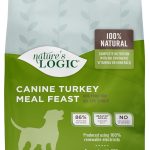 Nature's LogicNature’s Logic Canine Turkey Meal Feast Dry Dog Food
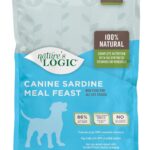 Nature's LogicNature’s Logic Canine Sardine Meal Feast Dry Dog Food
 Nature's LogicNature’s Logic Distinction Canine Pork Recipe Dry Dog Food
 Nature's LogicNature’s Logic Distinction Canine Chicken Recipe Dry Dog Food
Show 14 more
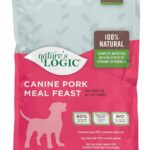 Nature's LogicNature’s Logic Canine Pork Meal Feast Dry Dog Food
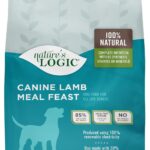 Nature's LogicNature’s Logic Canine Lamb Meal Feast Dry Dog Food
 Nature's LogicNature’s Logic Canine Chicken Meal Feast Dry Dog Food
 Nature's LogicNature’s Logic Canine Beef Meal Feast Dry Dog Food
 Nature's LogicNature’s Logic Original Pure Naturals Sardine Recipe Dry Dog Food
 Nature's LogicNature’s Logic Pure Naturals Grain-Free Chicken Recipe Dry Dog Food
 Nature's LogicNature’s Logic Canine Rabbit Meal Feast Dry Dog Food
 Nature's LogicNature’s Logic Original Pure Naturals Beef Recipe Dry Dog Food
 Nature's LogicNature’s Logic Original Pure Naturals Chicken Recipe Dry Dog Food
 Nature's LogicNature’s Logic Grain-Free Canine Chicken Meal Feast Dry Dog Food
 Nature's LogicNature’s Logic Canine Duck & Salmon Meal Feast Dry Dog Food
 Nature's LogicNature’s Logic Distinction Canine Beef Recipe Dry Dog Food
 Nature's LogicNature’s Logic Original Canine Grain Free Dry Kibble: Beef Dry Dog Food
 Nature's LogicNature’s Logic Distinction Grain-Free Canine Red Recipe Dry Dog Food
Sources
What we read
Checked October 1, 2026.
- 1 Investigation of the Digestibility, Fecal Characteristics, and Palatability of Oil Mil By-Products as a Plant-Based Protein Source in Canine Diets
- 2 Biochemical Composition of Pumpkin Seeds and Seed By-Products
- 3 Pumpkin, squash, gourd and other Cucurbita species
- 4 An evaluation of the local pumpkin seed (Cucurbita maxima) as an anthelmintic agent
- 5 CHARACTERIZATION AND EVALUATION OF THE ANTIOXIDANT POTENTIAL OF PUMPKIN SEED FLOUR (CUCURBITA MOSCHATA)
- 6 Reading Labels
- 7 Roundworms
- 8 Pet Food Production and Ingredient Analysis 2025 Update
- 9 Exploring the lipid oxidation mechanisms during pumpkin seed kernels storage based on lipidomics: From phenomena, substances, and metabolic mechanisms
- 10 Study of the physicochemical composition of pumpkin seeds flour as a food ingredient