
Ingredient file // Animal protein
Rabbit Heart
Rabbit muscle meat, not a heart tonic
Rabbit heart is the heart muscle of meat rabbits, and US feed rules count it as meat, not as a by-product. It adds animal protein plus some iron and copper, but the taurine and heart-health story goes past the evidence.
Role in the food Main nutrition- What it is
- The heart muscle of rabbits raised for meat, sold raw or freeze-dried instead of rendered into meal.
- Made from
- Hearts from rabbit meat processing
- Main job
- Animal protein from muscle
- Typical amount
- Not published
- Watch for
- Freeze-dried raw pieces can carry Salmonella or Listeria
- Not the same as
- Rabbit liver or rabbit meal
Straight answer
Is Rabbit Heart safe for dogs?
Count it as rabbit meat, then handle it raw
Rabbit heart next to rabbit meat, liver and kidney marks a single-species recipe. The heart adds muscle protein, as the meat does. Judge the food by its full analysis, not the organ list. Treat freeze-dried pieces like raw meat: wash your hands and the bowl.
- Why it is in the food
- Animal protein from muscle
- How common
- Listed by 2 of the 3,204 foods we track
Our read // In our catalog
In 1 of every 1,602 foods we track
Share of foods that list it
<1%
2 of the 3,204 foods with an ingredient list on file, from 2 brands. 1 frozen dog food, 1 freeze-dried dog food.
Each square is 1% of the catalog
Where it sits on the label
Median position 2.5. In the top five of 2 foods, so it is usually a main ingredient.
Who leans on it
50%
of the foods that list it are from Viva Raw. 2 brands use it in total.
What it is
How it is made
Rabbit hearts come from rabbit meat processing. USDA lists the heart as one of 2 rabbit giblets, along with the liver. Freeze-dried raw makers buy the hearts and dry them without cooking.9,11
- 01 // Source Fryer rabbits Young rabbits under 12 weeks and 1.5 to 3.5 pounds. In the US, USDA inspection of rabbits is voluntary.
- 02 // Process Heart removed When a plant runs under inspection, every rabbit and its organs are checked for disease. The heart is then kept as a giblet.
- 03 // Process Frozen and freeze-dried Water is removed without cooking. That preserves the meat, but it does not reliably kill Salmonella or Listeria.
- 04 // Output Freeze-dried heart A light, raw, shelf-stable meat, mixed with rabbit muscle and organs in single-species recipes.
What is in it
Composition, dry matter
68-75
% protein
Protein in dried heart muscle from calves, cattle and lambs. Fresh heart is about 77% water, so freeze-drying leaves mostly protein.
We found no published analysis of rabbit heart. These rows are calf, cattle and lamb hearts, converted from fresh weight to dry matter. Expect rabbit heart to fall in a similar range. Lamb heart was the fattiest.2
Why it is in the bag
Part of the rabbit protein when listed high
- Main nutrition
- Supporting nutrient
- Does a job
- Mostly filler
Heart is muscle meat under US feed rules, so it adds the same kind of protein as the rabbit beside it, plus extra iron. Analyzed calf, cattle and lamb hearts work out to about 68 to 75% protein on a dry basis. In one freeze-dried rabbit recipe we checked, heart comes third, after rabbit and rabbit liver, on a list ordered by weight, so there it likely supplies a real share of the protein. Far down a list, it would matter less.1,2,12
-
01
Muscle protein that counts
AAFCO groups heart muscle with skeletal muscle as meat. In one study, fresh calf, cattle and lamb hearts held 16 to 17% protein and 4 to 6% fat, the rest mostly water.1,2
-
02
Keeps the recipe one species
Owners running elimination diets want one animal protein. Heart adds rabbit protein beyond the muscle, though one rabbit-only veterinary diet tested positive for chicken and turkey.4
-
03
Adds iron and copper
In one study of calves, cattle and lambs, fresh heart held about 4 mg of iron per 100 g against 0.5 to 1.8 mg in leg muscle, and 2 to 4 times the copper. Zinc ran lower.2
-
04
Uses more of the carcass
A fryer rabbit weighs only 1.5 to 3.5 pounds, and the heart is one of its 2 giblets. Selling hearts turns a small leftover from a small animal into product.11
How much No study or brand we found publishes how much rabbit heart a recipe holds, and no dog trial has tested it as an ingredient.
Our read // The claims
What the evidence supports
Strong: controlled studies in dogs agree. Some: small or mixed dog data. Thin: mechanism or lab work only. None: nothing, or the evidence points the other way.
-
Brands say
Heart is muscle meat, not a by-product
Evidence
- Strong
- Some
- Thin
- None
This is a definition, not a judgment. AAFCO's consumer guide lists heart muscle under meat, next to skeletal muscle. By-products are parts like lungs, spleen, kidneys and liver.1
-
Brands say
Rabbit heart is a lean, high-protein meat
Outruns the evidence
Evidence
- Strong
- Some
- Thin
- None
No analysis of rabbit heart itself turned up. Calf, cattle and lamb hearts ran 68 to 75% protein and 17 to 24% fat on a dry basis. The protein part holds; the lean part has no rabbit data behind it.2
-
Brands say
Heart's taurine supports your dog's heart
Outruns the evidence
Evidence
- Strong
- Some
- Thin
- None
Heart muscle is one of the body's richest taurine tissues, and boiling strips taurine out. But healthy dogs make their own taurine from methionine and cysteine. No study has fed dogs heart to protect their hearts.5,6,7
-
Owners say
Freeze-drying makes raw heart safe
Outruns the evidence
Evidence
- Strong
- Some
- Thin
- None
FDA testing found 15 Salmonella and 32 Listeria positives among 196 raw pet food samples. A University of Guelph vet calls freeze-drying preservation, not bacterial control. A Thai study had only 2 freeze-dried samples and says drying may reduce contamination, not eradicate it.8,9,10
Straight answers
What owners ask
-
Q01
Is heart an organ or a muscle?
A muscleUS feed rules count heart as meat, next to skeletal muscle, while liver, kidneys and lungs are by-products. Fresh calf, cattle and lamb hearts are about 77% water and 16 to 17% protein.1,2
-
Q02
Is it just filler?
NoFiller adds bulk without nutrition. The dried hearts that have been analyzed are about 68 to 75% protein, so heart does the same job as the rabbit meat beside it.2
-
Q03
Will heart protect my dog from DCM?
No proofHealthy dogs make taurine from methionine and cysteine. A 2022 study suggests blood taurine may not reveal deficiency when diets run low on sulfur amino acids, especially in large dogs. Heart adds taurine, but no trial links eating heart to fewer heart problems.7
-
Q04
Can my food-allergic dog eat it?
Often, if newIf your dog has never eaten rabbit, rabbit heart can fit a novel-protein plan. Run the diagnostic trial on a controlled diet, though: 6 of 11 limited-antigen wet diets tested held undeclared animal protein.3,4
Who uses it
Brands, best sellers and the company it keeps
Top brands, by foods that list it
Foods that list it / all the brand's recipes we track.
Usually listed with, share of the foods that list it
- Rabbit Liver 100%
- Rabbit Kidney 100%
- Rabbit with Ground Bone 50%
- Carrots 50%
- Cranberries 50%
- Broccoli 50%
- Green Beans 50%
- Flaxseed Oil 50%
- Ginger 50%
- Rabbit 50%
- Rabbit Lung 50%
- Herring Oil 50%
On the shelf
Foods that list Rabbit Heart
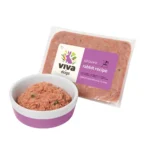
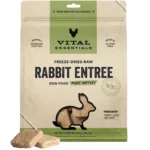
2 foods in our catalog list it, highest on the label first.
Sources
What we read
Checked October 1, 2026.
- 1 What's in the Ingredients List?
- 2 Offal Chemical Composition from Veal, Beef, and Lamb Maintained in Organic Production Systems
- 3 Critically appraised topic on adverse food reactions of companion animals (2): common food allergen sources in dogs and cats
- 4 Cross-contamination in canine and feline dietetic limited-antigen wet diets
- 5 Review: Taurine: A "very essential" amino acid
- 6 Taurine concentrations in animal feed ingredients; cooking influences taurine content
- 7 Plasma and Whole Blood Taurine Concentrations in Dogs May Not Be Sensitive Indicators of Taurine Deficiency When Dietary Sulfur Amino Acid Content Is Reduced
- 8 Get the Facts! Raw Pet Food Diets can be Dangerous to You and Your Pet
- 9 Freeze dried vs fresh vs frozen raw pet foods
- 10 Contamination factors associated with surviving bacteria in Thai commercial raw pet foods
- 11 Rabbit from Farm to Table
- 12 Vital Essentials FD Mini Nibs Rabbit Entree Dog Food 5.5oz (retailer product page)