
Ingredient file // Fat or oil
Safflower Oil
Useful fat, but the variety matters
Safflower oil comes from pressed or extracted safflower seeds. It adds calories and, if it comes from a high linoleic variety, an essential omega-6 fat. The ingredient name does not identify the variety, and extra oil has no proven coat benefit.
Role in the food Supporting nutrient- What it is
- Oil separated from safflower seeds, available in varieties with very different fatty acid profiles.
- Made from
- Safflower seeds grown for oil
- Main job
- Fat and essential fatty acids
- Typical amount
- Not published
- Watch for
- High oleic oil supplies less linoleic acid
- Not the same as
- Safflower seed meal
Straight answer
Is Safflower Oil safe for dogs?
Check the fat blend, then move on
Safflower oil low on the list is a fat addition. Check whether the maker identifies a high linoleic variety and whether another ingredient supplies marine omega-3s. If the food is complete for your dog's life stage, do not add oil just for a shinier coat.
- Why it is in the food
- Fat and essential fatty acids
- How common
- Listed by 2 of the 3,204 foods we track
Our read // In our catalog
In 1 of every 1,602 foods we track
Share of foods that list it
<1%
2 of the 3,204 foods with an ingredient list on file, from 2 brands. All dry dog food.
Each square is 1% of the catalog
Where it sits on the label
Median position 16.5. In the top five of 0 foods, so it is usually a minor ingredient.
Price per lb
Median of the cheapest bag price across 2 priced foods, 118% above the catalog. The price is the food's, not the ingredient's.
Who leans on it
50%
of the foods that list it are from Orijen. 2 brands use it in total.
What it is
How it is made
Safflower is grown chiefly for its oil, which enters the edible oil market. Pressing or extracting the seeds separates that oil from safflower meal, a distinct ingredient used in animal feed.4,7
- 01 // Source Safflower seeds Growers harvest oilseed varieties bred for either high linoleic or high oleic oil.
- 02 // Process Separate the oil Processors press the seeds or use solvent extraction, leaving safflower meal behind.
- 03 // Process Remove particles Filtration and settling remove seed particles from the crude oil.
- 04 // Output Safflower oil The liquid oil arrives as a fat ingredient, separate from the protein and fiber meal.
What is in it
Composition, dry matter
10.8-74
% linoleic
The range measured across 3 retail safflower oils. Variety determines how much essential omega-6 this ingredient supplies.
Why it is in the bag
A small fat addition with a real omega-6 job
- Main nutrition
- Supporting nutrient
- Does a job
- Mostly filler
Makers add safflower oil for fat, calories and linoleic acid, an omega-6 fat dogs must get from food. When it sits low on the list, the amount is likely modest, since lists run by weight. Oil is all fat, though, so even a small share can carry real linoleic acid. How much depends on the variety: tested retail oils ranged from 10.8 to 74% linoleic.3,8,9,11
-
01
Adds concentrated energy
Oil contributes fat and calories without protein or fiber. Its amount affects the finished food's fat content.9
-
02
Supplies essential omega-6
Dogs need linoleic acid in a complete diet. High linoleic safflower oil supplies much more of it than high oleic oil.3,7,8
-
03
Uses an edible oil crop
Safflower is grown chiefly for oil, while its meal enters animal feed. The oil commands a premium among edible oils, so price offers no obvious bargain.7,10
How much No typical kibble amount is published; a 28-day trial fed 10 dogs safflower-supplemented diets with fat providing 40.8% of energy.1
Our read // The claims
What the evidence supports
Strong: controlled studies in dogs agree. Some: small or mixed dog data. Thin: mechanism or lab work only. None: nothing, or the evidence points the other way.
-
Brands say
Safflower oil supplies essential omega-6 fat
Evidence
- Strong
- Some
- Thin
- None
All 3 safflower oils tested contained linoleic acid, from 10.8 to 74% by oil weight. Dogs require it. The ingredient name alone cannot tell you how much the finished food supplies.3,8
-
Brands say
Safflower oil gives every dog a shinier coat
Outruns the evidence
Evidence
- Strong
- Some
- Thin
- None
A controlled trial fed 10 healthy dogs different amounts of linoleic acid, without testing safflower oil or measuring coat shine. It found no visible skin benefit. A safflower-specific coat promise goes beyond that evidence.2
-
Critics say
Omega-6 safflower oil inflames every dog
Outruns the evidence
Evidence
- Strong
- Some
- Thin
- None
In a 28-day, 40-dog feeding study, cells from the safflower group produced more superoxide in a lab test than cells from the fish or linseed groups. The study did not show clinical inflammation.1
-
Owners say
Safflower oil works like fish oil
Outruns the evidence
Evidence
- Strong
- Some
- Thin
- None
A fatty acid comparison lists safflower oil as rich in linoleic acid, with little alpha-linolenic acid and no listed EPA or DHA. Fish oil supplies EPA and DHA; the oils serve different nutritional purposes.5
Straight answers
What owners ask
-
Q01
Is it just filler?
NoIt supplies fat and calories, and a high linoleic variety supplies an essential fatty acid. The meaningful uncertainty is which variety the maker used, since the ingredient name does not say.3,7,8,9
-
Q02
Does it replace fish oil?
NoSafflower oil supplies almost no omega-3 fat and no meaningful EPA or DHA. If marine omega-3s are the goal, look for a separate fish or algal oil in the ingredients.3,5
Who uses it
Brands, best sellers and the company it keeps
Top brands, by foods that list it
Foods that list it / all the brand's recipes we track.
Usually listed with, share of the foods that list it
- Whole Herring 100%
- Herring Meal 100%
- Pollock Meal 100%
- Salmon 50%
- Monkfish 50%
- Acadian Redfish 50%
- Flounder 50%
- Whole Whiting 50%
- Sardine Meal 50%
- Whole Mackerel 50%
- Redfish 50%
- Silver Hake 50%
On the shelf
Foods that list Safflower Oil
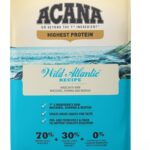
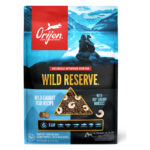
2 foods in our catalog list it, highest on the label first.
Sources
What we read
Checked October 1, 2026.
- 1 Plasma Phospholipid Fatty Acid and Ex Vivo Neutrophil Responses are Differentially Altered in Dogs Fed Fish- and Linseed-Oil Containing Diets at the Same n-6:n-3 Fatty Acid Ratio
- 2 Linoleate-enriched diet increases both linoleic acid esterified to omega hydroxy very long chain fatty acids and free ceramides of canine stratum corneum without effect on protein-bound ceramides and skin barrier function
- 3 Fatty Acid Analysis and Stability of Selected Edible Oils Used in Homemade Pet Diets
- 4 Development of a small-size processing line for production of safflower oil
- 5 The balance of n-6 and n-3 fatty acids in canine, feline, and equine nutrition: exploring sources and the significance of alpha-linolenic acid
- 6 Consensus Recommendations for Standard Therapy of Glomerular Disease in Dogs
- 7 Safflower (Carthamus tinctorius) seeds and oil meal
- 8 AAFCO Dog and Cat Food Nutrient Profiles
- 9 油脂類/(植物油脂類)/サフラワー油/ハイリノール - 06.脂肪酸-可食部100g
- 10 Growing Safflower in Utah
- 11 Dog and Cat Foods