
Ingredient file // Animal protein
Sardine Meal
A real fish protein, with some oil left
Sardine meal is sardines or sardine trimmings cooked, pressed, dried and ground after most water and some oil are removed. It gives kibble concentrated fish protein and minerals; any joint claim needs a stated EPA and DHA amount.
Role in the food Main nutrition- What it is
- Sardines or their processing trimmings, cooked, pressed, dried and ground into a concentrated fish protein ingredient.
- Made from
- Whole sardines or sardine processing trimmings
- Main job
- Concentrated fish protein
- Typical amount
- Not published
- Watch for
- Fish allergy and poorly stored oil
- Not the same as
- Sardine oil
Straight answer
Is Sardine Meal safe for dogs?
Read it as protein, then check the oil
Sardine meal near the start of the list likely contributes meaningful fish protein; farther down, it contributes less by weight. Compare the food's protein on a dry matter basis and look for declared EPA and DHA if those fats matter to you. The meal's name is not a joint or purity guarantee.
- Why it is in the food
- Concentrated fish protein
- How common
- Listed by 10 of the 3,204 foods we track
Our read // In our catalog
In 1 of every 320 foods we track
Share of foods that list it
<1%
10 of the 3,204 foods with an ingredient list on file, from 5 brands. All dry dog food.
Each square is 1% of the catalog
Where it sits on the label
Median position 4. In the top five of 6 foods, so it is usually a main ingredient.
Above the salt
Almost always listed before the salt, so there is more of it than a pinch.
Price per lb
Median of the cheapest bag price across 9 priced foods, 10% above the catalog. The price is the food's, not the ingredient's.
Who leans on it
30%
of the foods that list it are from Nature's Logic. 5 brands use it in total.
What it is
How it is made
Fishmeal plants turn small fish and fish processing trimmings into feed while recovering oil as a separate product. Sardine meal comes from sardines or sardine trimmings; pressing and drying leave a stable protein concentrate.5,6
- 01 // Source Sardines Whole sardines or their processing trimmings reach a fishmeal plant, where freshness affects the finished meal.
- 02 // Process Cook and press Cooking releases water and oil; pressing separates a solid protein cake from the liquid.
- 03 // Process Recover oil The liquid is separated into fish oil and a watery fraction that processors may concentrate.
- 04 // Process Dry and mill The protein cake is dried and ground into a meal that ships without refrigeration.
- 05 // Output Sardine meal A dry fish protein ingredient with some residual fat and minerals from the fish.
What is in it
Composition, dry matter
63
% protein
About the protein share in 2 published sardine fishmeal samples. Pressing removes much of the oil, leaving protein as the meal's main contribution.
Why it is in the bag
A real fish protein, more so near the top
- Main nutrition
- Supporting nutrient
- Does a job
- Mostly filler
Sardine meal is a dried, concentrated fish protein, so its job is protein, not bulk. Makers add it for that protein, minerals and some residual fat, and fishmeal is a supply-sensitive ingredient, not a cheap filler. Labels list ingredients by weight, so near the top it is likely one of the proteins the food is built on. Farther down it likely adds less than the main meats, but what it adds is still protein.6,8
-
01
Adds fish protein
Pressing and drying remove water and much of the oil, so a small weight of meal contributes substantial protein to the finished kibble.5,6
-
02
Adds some marine fat
Oil extraction leaves residual fat. It may contribute EPA and DHA, but the ingredient name does not tell an owner how much reaches the food.5,6
-
03
Uses a fishery stream
Processors use whole fish and trimmings to make meal. Supply depends on fisheries and processing volume, making fishmeal a supply-sensitive protein rather than cheap bulk.6
How much A dog study fed 145 g/kg fish meal in an elimination diet; it did not identify that meal as sardine.1
Our read // The claims
What the evidence supports
Strong: controlled studies in dogs agree. Some: small or mixed dog data. Thin: mechanism or lab work only. None: nothing, or the evidence points the other way.
-
Brands say
Sardine meal is a concentrated protein source
Evidence
- Strong
- Some
- Thin
- None
Published sardine fishmeal samples held 62.9 to 63.4% crude protein on a dry basis. Cooking, pressing and drying remove water and oil, so the protein claim is fair. The bag alone cannot show its digestibility.5,6
-
Brands say
Sardine meal supplies omega-3s for sore joints
Outruns the evidence
Evidence
- Strong
- Some
- Thin
- None
A trial in 177 arthritic dogs found modest benefits from higher EPA and DHA supplied by fish oil. It did not test sardine meal. Without a stated EPA and DHA amount, the meal's joint benefit is unproven.2,3,5
-
Brands say
Sardine meal is hypoallergenic for sensitive dogs
Outruns the evidence
Evidence
- Strong
- Some
- Thin
- None
A review recorded fish reactions in 5 of 297 dogs with reported food reactions, though past exposure was usually unknown. A fish protein may suit an individual dog, but sardine meal carries no allergy guarantee.4
-
Owners say
Small sardines make the meal mercury-free
Outruns the evidence
Evidence
- Strong
- Some
- Thin
- None
FDA found mean mercury of 0.013 ppm across 90 sardine samples. That is low, not zero, and the survey did not test rendered meal. The ingredient name cannot certify a batch.7
Straight answers
What owners ask
-
Q01
Is it just filler?
NoIt is roughly 63% protein on a dry basis in the published sardine samples. It also contributes fat and minerals. Those are real jobs in kibble, although the name does not reveal the meal's quality.5,6
-
Q02
Is it the same as sardine oil?
NoMeal is the dried protein cake left after cooking and pressing. Sardine oil is separated from the liquid stream. Some fat remains in meal, but oil is the more direct way to add EPA and DHA.6
-
Q03
Does it guarantee omega-3s?
NoPublished sardine meals retain fat, but fat content is not an EPA and DHA guarantee. If those fats matter for your dog, look for declared EPA and DHA amounts in the finished food.5,6
-
Q04
Does its list position matter?
YesAAFCO says ingredients appear from most to least by weight. Sardine meal near the start contributes more by weight than one near the end, but its position cannot tell you the food's EPA and DHA content.5,8
Who uses it
Brands, best sellers and the company it keeps
Top brands, by foods that list it
Foods that list it / all the brand's recipes we track.
Usually listed with, share of the foods that list it
- Salmon 50%
- Salmon Meal 40%
- Millet 40%
- Canola Oil 40%
- Mixed Tocopherols 40%
- Flaxseed 30%
- Yeast Culture 30%
- Montmorillonite Clay 30%
- Spray Dried Porcine Plasma 30%
- Dried Kelp 30%
- Peas 30%
- Herring Meal 20%
On the shelf
Foods that list Sardine Meal
10 foods in our catalog list it, highest on the label first.
 Nature's LogicNature’s Logic Canine Sardine Meal Feast Dry Dog Food
 Nature's LogicNature’s Logic Original Pure Naturals Sardine Recipe Dry Dog Food
 Nature's LogicNature’s Logic Distinction Canine Sardine Recipe Dry Dog Food
 CanidaeCanidae Pure Farm to Bowl Wild-Caught Salmon & Barley Recipe Dry Dog Food
 CanidaeCanidae Pure Grain-Free Real Salmon & Sweet Potato Recipe Dry Dog Food
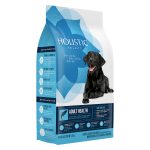 Holistic SelectHolistic Select Adult Health Anchovy & Sardine And Salmon Meal Recipe Dry Dog Food
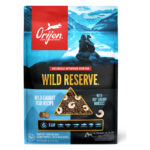 OrijenOrijen Wild Reserve, Wild-Caught Fish Recipe Grain-Free Dry Dog Food
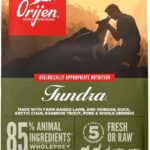 OrijenOrijen Tundra Dry Dog Food
 Holistic SelectHolistic Select Adult & Puppy Health Grain-Free Salmon Anchovy & Sardine Meal Recipe Dry Dog Food
 FrommFromm Four-Star Salmon Tunalini® Recipe Grain-Free Dry Dog Food
Sources
What we read
Checked October 1, 2026.
- 1 Fish-meal diet enriched with omega-3 PUFA and treatment of canine chronic enteropathies
- 2 Dose-Titration Effects of Fish Oil in Osteoarthritic Dogs
- 3 ERRATUM
- 4 Critically appraised topic on adverse food reactions of companion animals (2): common food allergen sources in dogs and cats
- 5 Analysis of feeds and fertilizers for sustainable aquaculture development in China
- 6 Fish meal
- 7 Mercury Levels in Commercial Fish and Shellfish (1990-2012)
- 8 What's in the Ingredients List?