
Ingredient file // Fiber
Beet Pulp
Useful fiber, but no guaranteed stool fix
Beet pulp is the dried material left after sugar factories extract juice from sugar beets. It adds fiber that gut bacteria ferment and changes stool texture. Dog trials do not show a reliable firming effect from beet pulp on its own.
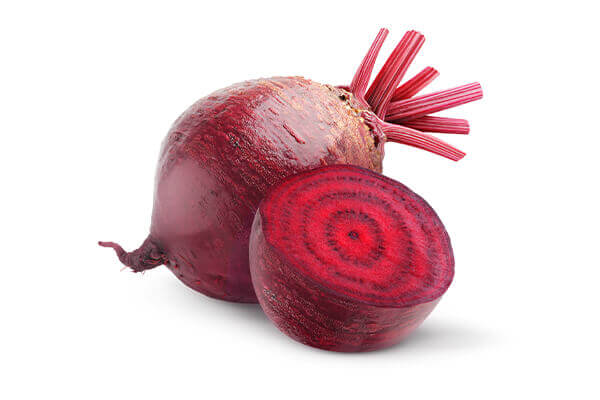
- What it is
- Dried beet root fiber left after a sugar factory extracts most of the sweet juice.
- Made from
- Sugar beet roots after juice extraction
- Main job
- Fiber for stool texture
- Typical amount
- Dog trials tested 5.5% and 7.5%
- Watch for
- Softer stools in some dogs
- Not the same as
- Beet molasses
Straight answer
Is Beet Pulp safe for dogs?
Treat it as fiber, then judge the food
Read the main proteins and fats above beet pulp on the ingredient list. Beet pulp signals added fiber, but its position cannot tell you the amount or predict stool quality. If your dog does well on the food, there is no reason to reject it. Do not buy it for a guaranteed stool or microbiome benefit.
- Why it is in the food
- Fiber for stool texture
- How common
- Listed by 12 of the 3,204 foods we track
Our read // In our catalog
In 1 of every 267 foods we track
Share of foods that list it
<1%
12 of the 3,204 foods with an ingredient list on file, from 7 brands. All dry dog food.
Each square is 1% of the catalog
Where it sits on the label
Median position 8.5. In the top five of 1 food, so it is usually a supporting ingredient.
Above the salt
Almost always listed before the salt, so there is more of it than a pinch.
Price per lb
Median of the cheapest bag price across 10 priced foods, 47% below the catalog. The price is the food's, not the ingredient's.
Who leans on it
25%
of the foods that list it are from Health Extension. 7 brands use it in total.
What it is
How it is made
Sugar factories extract sweet juice from sliced beet roots. The fibrous slices left behind are pressed and dried for feed. That gives the factory a saleable use for a large processing residue.5
- 01 // Source Sugar beet roots Factories clean the roots and shred them into thin slices for juice extraction.
- 02 // Process Juice extracted Hot water draws sugar into the juice, leaving much of the root's fibrous cell walls behind.
- 03 // Process Pressed and dried Pressing removes more water and residual sugar before a drum dryer dries the pulp for storage.
- 04 // Output Dried beet pulp The dried fiber ships as a feed ingredient, sometimes in pellets made with added molasses.
What is in it
Composition, dry matter
47
% NDF
The average neutral detergent fiber content measures much of the beet's remaining cell wall. Crude fiber testing records less of that material.
Sugar varies with extraction and any molasses added back. Soil left on poorly washed roots raises ash. The ingredient name alone does not reveal either figure for a particular batch.5
Why it is in the bag
What the manufacturer gets
-
01
Changes stool texture
Beet pulp supplies fiber that affects stool moisture and output. A direct dog comparison found softer stools with beet pulp than with cellulose, so the finished recipe matters.1
-
02
Feeds colon bacteria
Some beet pulp fiber reaches the colon for bacterial fermentation. A small crossover study found that adding beet pulp changed the bacterial groups measured in dog feces.2,5
-
03
Uses a sugar residue
Sugar production yields about 50 kg of dried pulp per ton of beet roots. Selling it for feed gives factories a use for material left after extraction.5
-
04
Supplies mixed fiber
Its plant cell walls include fermentable pectin alongside less fermentable fiber. Formulators use that mix to adjust a food's fiber profile and stool properties.2,5
How much A 6-dog crossover fed 7.5% beet pulp; a 12-dog crossover used 5.5% within a mixed-fiber diet.2,3
Our read // The claims
What the evidence supports
Strong: controlled studies in dogs agree. Some: small or mixed dog data. Thin: mechanism or lab work only. None: nothing, or the evidence points the other way.
-
Brands say
Beet pulp keeps stools firm
Outruns the evidence
Evidence
- Strong
- Some
- Thin
- None
A Mars-funded 32-dog trial used a blend only about 20% sugar beet pulp, mostly cellulose (2:7:1, beet pulp to cellulose to GOS). A direct 12-dog test found beet pulp gave softer stools than cellulose, and a third 12-dog trial saw no significant change in fecal consistency. These trials do not show beet pulp alone firming stool.1,3,4
-
Brands say
Prebiotic beet pulp improves gut health
Outruns the evidence
Evidence
- Strong
- Some
- Thin
- None
A 6-dog crossover found 7.5% beet pulp shifted fecal bacteria like Fusobacteria and Firmicutes, not a measured health outcome. A 12-dog trial mixed it with cereal fibers and could not isolate its effect. Neither shows a gut health benefit from beet pulp alone.2,3
-
Critics say
Beet pulp is just filler
Outruns the evidence
Evidence
- Strong
- Some
- Thin
- None
The filler accusation ignores a measured job. A diet with 7.5% beet pulp changed fecal bacterial communities in a crossover study. That result does not prove every food containing it improves digestion.2,5,7
-
Owners say
Beet pulp is full of sugar
Outruns the evidence
Evidence
- Strong
- Some
- Thin
- None
Sugar is extracted before the pulp is dried. Feedipedia reports an average of 7.8% total sugars on a dry matter basis, with variation from extraction and added molasses. Fiber remains its main contribution.5
-
Critics say
More beet pulp lowers nutrient digestibility
Outruns the evidence
Evidence
- Strong
- Some
- Thin
- None
A 12-dog crossover found lower digestibility with a diet holding 5.5% beet pulp plus cereal fibers than with lower-fiber diets, but it tested one beet pulp level, not increasing amounts, and cannot isolate beet pulp's own effect.3
Straight answers
What owners ask
-
Q01
Is it just filler?
NoIt adds fiber that changes stool properties and gives colon bacteria material to ferment. Those are measured jobs. The ingredient name still cannot tell you whether the complete food has the right fiber balance for your dog.1,2,5,7
-
Q02
Is there sugar left?
Yes, someThe factory removes most of the sugar, not every trace. Dried pulp samples averaged 7.8% total sugars, and some products have molasses added. A dog food label does not disclose the sugar level of its beet pulp.5
-
Q03
Will it firm loose stools?
Not reliablyThe cited trials do not isolate a firming effect from beet pulp alone, and a direct comparison found it gave softer stools than cellulose. Judge the finished food by your dog's stool response, not by this ingredient on its own.1,4
-
Q04
Does list position show its amount?
NoAAFCO says ingredients appear in descending order by weight. That lets you see what outweighs beet pulp, but the list gives no percentage. Use it as a clue to the recipe, not a dose.6
Who uses it
Brands, best sellers and the company it keeps
Top brands, by foods that list it
Foods that list it / all the brand's recipes we track.
Usually listed with, share of the foods that list it
- Mixed Tocopherols 83%
- Chicken Fat 58%
- Menhaden Fish Meal 50%
- Oatmeal 50%
- Chicken Meal 42%
- Lamb Meal 33%
- Brown Rice 33%
- Natural Flavor 33%
- Canola Oil 25%
- Flaxseed 25%
- Potassium Chloride 25%
- Dried Egg Product 25%
On the shelf
Foods that list Beet Pulp
12 foods in our catalog list it, highest on the label first.
 Nature's RecipeNature’s Recipe Original Senior Lamb Meal & Rice Recipe Dry Dog Food
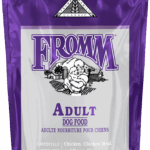
 FrommFromm Classic Mature Adult Dry Dog Food
 Health ExtensionHealth Extension Ancestry Look Out! Duck Grain-Free Dry Dog Food
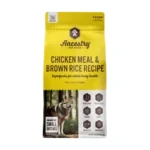
 Health ExtensionHealth Extension Ancestry Lamb Meal With Rice Dry Dog Food
 FrommFromm Classic Puppy Dry Dog Food
 Rachael Ray NutrishRachael Ray Nutrish Big Life Hearty Beef, Veggies & Brown Rice Dry Dog Food
 Pure BalancePure Balance Grain-Free & Poultry-Free Lamb & Fava Bean Recipe Dry Dog Food
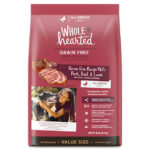 WholeHeartedWholeHearted Grain Free Pork, Beef & Lamb Recipe Dry Dog Food
 PinnaclePinnacle dog recipes Salmon & Pumpkin Recipe Dry Dog Food
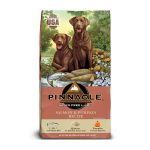 PinnaclePinnacle Salmon & Pumpkin Recipe Dry Dog Food
Sources
What we read
Checked October 24, 2026.
- 1 The effects on nutrient utilization and stool quality of Beagle dogs fed diets with beet pulp, cellulose, and Miscanthus grass
- 2 Phylogenetic Characterization of Fecal Microbial Communities of Dogs Fed Diets with or without Supplemental Dietary Fiber Using 454 Pyrosequencing
- 3 The Impact of Fiber Source on Digestive Function, Fecal Microbiota, and Immune Response in Adult Dogs
- 4 A Novel Prebiotic Fibre Blend Supports the Gastrointestinal Health of Senior Dogs
- 5 Sugar beet pulp, dehydrated
- 6 What's in the Ingredients List?
- 7 Sugar Beet in dog food