
Ingredient file // Animal protein
Fish
Real animal protein, with the species left blank
Fish is fish flesh from a species the label does not name, added moist to wet food. It brings real animal protein and some fat; whether it adds meaningful omega-3 depends on a species you cannot see.
Role in the food Main nutrition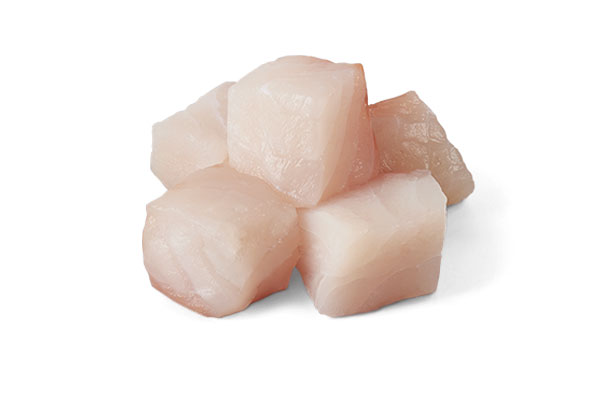
- What it is
- Fish flesh added moist to the recipe, listed without saying which species it came from.
- Made from
- Fish flesh, species not stated
- Main job
- Animal protein in wet food
- Typical amount
- Not published
- Watch for
- Unknown species matters for allergic dogs
- Not the same as
- Fish meal
Straight answer
Is Fish safe for dogs?
Fine protein, but ask which fish it is
Fish near the top of a wet food is real animal protein, though most of its weight is water. The missing species is the gap. For an allergic dog, or one eating fish every day, ask the brand which fish it uses and whether it changes by batch. Ignore omega-3 claims that rest on it alone.
- Why it is in the food
- Animal protein in wet food
- How common
- Listed by 9 of the 3,204 foods we track
Our read // In our catalog
In 1 of every 356 foods we track
Share of foods that list it
<1%
9 of the 3,204 foods with an ingredient list on file, from 2 brands. 8 wet dog food, 1 dry dog food.
Each square is 1% of the catalog
Where it sits on the label
Median position 6. In the top five of 4 foods, so it is usually a supporting ingredient.
Above the salt
Almost always listed before the salt, so there is more of it than a pinch.
Price per lb
Median of the cheapest bag price across 1 priced foods, 36% above the catalog. The price is the food's, not the ingredient's.
Who leans on it
89%
of the foods that list it are from Purina. 2 brands use it in total.
What it is
How it is made
Fish for pet food comes from whole fish and from seafood plants, where filleting leaves heads, frames and trimmings behind. In wet food it goes in moist, without the rendering that turns fish into fish meal.1,8,10
- 01 // Source Fish and trimmings Whole fish, or the heads, frames, skin and trimmings left from filleting, 30 to 70% of the fish's wet weight.
- 02 // Process Kept moist Unlike fish meal, it skips cooking, pressing and drying, so it keeps a fresh fish's water, about 80% in a white fillet.
- 03 // Process Cooked in the can Mixed with the rest of the recipe, sealed and heat sterilized, the usual route for wet dog food.
- 04 // Output Fish in wet food Moist fish protein inside the finished food, listed by weight with its species left unstated.
What is in it
Composition, as fed
80
% water
The share of a fresh white fish fillet that is water. It is why fish can lead a wet food's list while supplying modest protein.
Fat is what swings. A starved herring can hold half a percent fat and a well-fed one over 20%, so an unnamed fish could be lean or oily, and its omega-3 moves with it. Fresh fish is shown as fed; no dry matter range is published for this ingredient.1
Why it is in the bag
Real animal protein, though its rank overstates it
- Main nutrition
- Supporting nutrient
- Does a job
- Mostly filler
Fish is there as animal protein: its muscle usually runs 15 to 20% protein, so it is not filler. Labels list ingredients by weight, and about 80% of a white fillet is water, so its rank flatters what it adds once dried. Near the top of a wet food it is a main protein. Well down the list, behind other meats, it is likely a secondary protein.1,9
-
01
Seafood leftovers become protein
Filleting leaves heads, frames, skin and trimmings, 30 to 70% of a fish's wet weight. Pet food gives that material value, the case a 2024 dog trial set out to test.7,8
-
02
Brings fish fat along
Fish lipids carry long-chain omega-3 fats, but fat runs from 0.1 to 0.9% in cod to over 20% in well-fed herring, so the contribution depends on species.1,10
-
03
A protein outside beef and chicken
Brands use fish as an alternative protein. Beef, dairy and chicken caused most proven food reactions in a 297-dog review; fish caused 5.2
How much No source publishes how much fish a wet recipe holds; list position by weight is the only clue, and that weight is mostly water.1,9
Our read // The claims
What the evidence supports
Strong: controlled studies in dogs agree. Some: small or mixed dog data. Thin: mechanism or lab work only. None: nothing, or the evidence points the other way.
-
Brands say
Fish gives dogs omega-3s for skin and joints
Outruns the evidence
Evidence
- Strong
- Some
- Thin
- None
Dosed fish oil helps: a 29-dog trial improved itchy skin with 85 mg/kg a day of EPA plus DHA, and a 38-dog trial improved weight bearing. Cod-type fish is under 1% fat, so unnamed fish could supply very little.1,5,6
-
Brands say
Fish is gentle for dogs with food allergies
Outruns the evidence
Evidence
- Strong
- Some
- Thin
- None
Fish caused 5 of 297 proven canine food reactions, against 102 for beef. That may largely reflect how few dogs ate fish. Dogs do react to it, and an unnamed species is useless for an elimination diet.2
-
Critics say
Fish-based dog food is full of mercury
Outruns the evidence
Evidence
- Strong
- Some
- Thin
- None
A 127-food study found total mercury above suggested tolerable limits in 3 products and safe methylmercury in all. The worst samples listed tuna first. Risk tracks species, which this label hides, not fish in general.3,4
-
Critics say
Unnamed fish means low-quality fish
Outruns the evidence
Evidence
- Strong
- Some
- Thin
- None
No study links a generic fish name to lower quality. DNA testing of 127 pet foods found adulteration prevalent, though ingredients held steady between lots. The real cost of a generic name is disclosure, not proven quality.4
Straight answers
What owners ask
-
Q01
Is it just filler?
NoFish muscle is usually 15 to 20% protein, with the rest mostly water, so it is a true animal protein. Its weight on the list overstates its dry contribution, since about 80% of a white fillet is water.1
-
Q02
Is fish the same as fish meal?
NoFish meal is cooked, pressed, dried and milled to about 92% dry matter and 70 to 75% protein on a dry basis. Plain fish goes in moist, so pound for pound it carries far less protein.1,10
-
Q03
Does fish first mean lots of fish?
Less than it looksIngredients are listed by weight, and fish is mostly water. Fish leading a wet food means it is the heaviest ingredient going in, not that it supplies most of the dry nutrients.1,9
Who uses it
Brands, best sellers and the company it keeps
Top brands, by foods that list it
Foods that list it / all the brand's recipes we track.
Usually listed with, share of the foods that list it
- Liver 89%
- Water 78%
- Chicken 67%
- Minerals 67%
- Potassium Chloride 67%
- Zinc Sulfate 67%
- Ferrous Sulfate 67%
- Copper Sulfate 67%
- Manganese Sulfate 67%
- Potassium Iodide 67%
- Sodium Selenite 67%
- Meat By-Products 44%
On the shelf
Foods that list Fish
9 foods in our catalog list it, highest on the label first.
 PurinaPurina Pro Plan Sensitive Skin & Stomach Salmon & Rice Entrée Classic Wet Dog Food
 PurinaPurina Pro Plan Puppy Sensitive Skin & Stomach Salmon & Rice Entrée Classic Wet Dog Food
 PurinaPurina ONE Lamb & Rice Healthy Puppy Wet Dog Food
 NutriSourceNutriSource Element Series Coastal Plains Recipe Dry Dog Food
Show 5 more
 PurinaPurina Pro Plan Adult 7+ Sensitive Skin & Stomach Salmon & Rice Entrée Classic Wet Dog Food
 PurinaPurina Pro Plan Puppy Small Breed Chicken & Brown Rice Entrée Wet Dog Food
 PurinaPurina Pro Plan Complete Essentials Adult Beef & Rice Entrée Classic Wet Dog Food
 PurinaPurina Pro Plan Small Breed Chicken Carrots Gravy Wet Dog Food
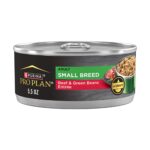 PurinaPurina Pro Plan Adult Small Breed Beef & Green Beans Entrée in Gravy Wet Dog Food
Sources
What we read
Checked October 1, 2026.
- 1 The composition of fish (Torry Advisory Note No. 38)
- 2 Critically appraised topic on adverse food reactions of companion animals (2): common food allergen sources in dogs and cats
- 3 Mercury levels in pet food cause for concern, fish-based foods main culprit
- 4 Using a next-generation sequencing approach to DNA metabarcoding for identification of adulteration and potential sources of mercury in commercial cat and dog foods
- 5 Effect of omega-3 fatty acids on canine atopic dermatitis
- 6 Evaluation of the effects of dietary supplementation with fish oil omega-3 fatty acids on weight bearing in dogs with osteoarthritis
- 7 Protein hydrolysate and oil from fish waste reveal potential as dog food ingredients
- 8 Update on by-product marine ingredients
- 9 What's in the Ingredients List?
- 10 Fish meal