
Ingredient file // Plant protein
Hydrolyzed Soy Protein
Useful protein for carefully chosen allergy diets
Hydrolyzed soy protein is soybean protein cut into smaller pieces with enzymes. It supplies substantial protein and gives elimination diets a protein source that many soy-reactive dogs tolerate. The finished food can still cause a reaction.
- What it is
- Soy protein treated with enzymes that cut its long protein chains into smaller pieces called peptides.
- Made from
- Protein from defatted soybeans
- Main job
- Protein for elimination diets
- Typical amount
- 30% of a recipe in one dog study
- Watch for
- Reactions to the finished diet remain possible
- Not the same as
- Soybean meal
Straight answer
Is Hydrolyzed Soy Protein safe for dogs?
Read the whole diet around the soy
Hydrolyzed soy protein high on the list means the food relies on it for protein. For an elimination trial, check the other protein and flavor sources and use a diet made for that purpose. For an ordinary food, judge the complete recipe; hydrolyzed alone promises no health benefit.
- Why it is in the food
- Protein for elimination diets
- How common
- Listed by 11 of the 3,204 foods we track
Our read // In our catalog
In 1 of every 291 foods we track
Share of foods that list it
<1%
11 of the 3,204 foods with an ingredient list on file, from 2 brands. All dry dog food.
Each square is 1% of the catalog
Where it sits on the label
Median position 2. In the top five of 10 foods, so it is usually a main ingredient.
Above the salt
Almost always listed before the salt, so there is more of it than a pinch.
Price per lb
Median of the cheapest bag price across 11 priced foods, 92% above the catalog. The price is the food's, not the ingredient's.
Who leans on it
91%
of the foods that list it are from Royal Canin. 2 brands use it in total.
What it is
How it is made
Soybean oil production leaves defatted flakes with protein and carbohydrates. Ingredient makers separate some carbohydrates to concentrate the protein, then use enzymes to cut it into smaller pieces for pet food.5
- 01 // Source Defatted soy flakes Removing oil from soybeans leaves flakes that still contain protein and carbohydrates.
- 02 // Process Protein concentrated Removing soluble sugars makes a protein concentrate; further separation produces a protein isolate.
- 03 // Process Protein hydrolyzed Protease enzymes cut the soy protein chains into smaller peptides.
- 04 // Output Hydrolyzed soy protein The dried ingredient reaches the kibble plant as a concentrated source of protein.
What is in it
Composition, dry matter
69
% protein
One hydrolyzed soy concentrate tested at about 69% crude protein by dry weight. It makes a substantial contribution to a food's protein total.
Why it is in the bag
What the manufacturer gets
-
01
Supplies concentrated protein
Removing oil and some carbohydrates concentrates the soy protein. Cutting that protein into smaller pieces changes its form, but it still contributes to the food's crude protein figure.5
-
02
Supports elimination diets
Smaller protein pieces are harder for the immune system to recognize. Manufacturers use hydrolyzed soy in diets fed while checking whether a dog's signs respond to food.1,6
-
03
Uses a steady supply
Soybean oil production provides defatted flakes for protein makers. Industry describes soy ingredients as consistently available, giving manufacturers a scalable starting material for these diets.5,8
How much One dog feeding study used hydrolyzed soy protein concentrate at 30% of the recipe; that is a tested amount, not a typical label amount.5
Our read // The claims
What the evidence supports
Strong: controlled studies in dogs agree. Some: small or mixed dog data. Thin: mechanism or lab work only. None: nothing, or the evidence points the other way.
-
Brands say
Hydrolyzed soy is less likely to trigger food reactions
Evidence
- Strong
- Some
- Thin
- None
Most soy-reactive dogs in an open challenge study tolerated the hydrolyzed soy diet, but 3 of 14 reacted to the finished food. The study could not identify whether soy or another ingredient caused those reactions.1
-
Brands say
Dogs absorb hydrolyzed soy protein more easily
Outruns the evidence
Evidence
- Strong
- Some
- Thin
- None
During intestinal perfusion, absorption was 89.0 to 92.3% for hydrolyzed soy and 82.6 to 87.4% for intact soy. That measured protein delivered directly to the intestine, not the digestibility of every finished kibble.4
-
Brands say
Hydrolyzed soy diets stop food-allergy itching
Outruns the evidence
Evidence
- Strong
- Some
- Thin
- None
Among 15 dogs with food-induced atopic dermatitis, 8 ate the hydrolyzed soy diet and 7 ate a homemade diet. The groups differed significantly on pruritus before treatment, so the bigger pruritus drop in the soy group by day 60 is not a clean diet effect.2
-
Vets say
Hydrolyzed soy controls chronic bowel disease
Outruns the evidence
Evidence
- Strong
- Some
- Thin
- None
In an open, randomized trial of 26 dogs, both diets had similar early responses; more dogs on the hydrolyzed soy diet remained well later. The diets differed in other ways, so soy alone cannot take credit.3
-
Critics say
Soy in a hydrolyzed diet is just filler
Outruns the evidence
Evidence
- Strong
- Some
- Thin
- None
One hydrolyzed soy concentrate measured 69.22% crude protein on a dry matter basis. A dog feeding study used it at 30% of the recipe. It is a protein ingredient with a clear job.5
Straight answers
What owners ask
-
Q01
Is it just filler?
NoIt is concentrated protein. The tested hydrolyzed soy concentrate was about 69% protein by dry weight. In an elimination diet, the smaller protein pieces also serve a purpose beyond raising the protein total.5,6
-
Q02
Can a soy-allergic dog eat it?
SometimesMost soy-reactive dogs in a small challenge study tolerated the finished diet, but some reacted. The study could not pin those reactions on soy. Judge the selected diet by the dog's response, not the word hydrolyzed alone.1
-
Q03
Does its list position matter?
YesIngredients are listed by weight. Hydrolyzed soy near the top is likely a major protein contributor. If the food is for an elimination trial, check every other protein and flavor source too.6,7
Who uses it
Brands, best sellers and the company it keeps
Top brands, by foods that list it
Foods that list it / all the brand's recipes we track.
Usually listed with, share of the foods that list it
- Natural Flavor 91%
- Vegetable Oil 82%
- Fish Oil 82%
- Monocalcium Phosphate 55%
- Brewers Rice 55%
- Chicken Fat 55%
- Potatoes 36%
- Coconut Oil 36%
- Potato Protein 36%
- Calcium Carbonate 36%
- Dried Plain Beet Pulp 36%
- Choline Chloride 27%
On the shelf
Foods that list Hydrolyzed Soy Protein
11 foods in our catalog list it, highest on the label first.
 Royal CaninRoyal Canin Veterinary Satiety + Hydrolyzed Protein Dry Dog Food
 Royal CaninRoyal Canin Veterinary Hydrolyzed Protein PS Grain-Free Dry Dog Food
 Kibbles n BitsKibbles n Bits Bacon & Steak Flavor Dry Dog Food
Show 8 more
 Royal CaninRoyal Canin Veterinary Hydrolyzed Protein Moderate Calorie Dry Dog Food
 Royal CaninRoyal Canin Veterinary Hydrolyzed Protein HP Dry Dog Food
 Royal CaninRoyal Canin Veterinary Hydrolyzed Protein Small Dog Dry Dog Food
 Royal CaninRoyal Canin Veterinary Urinary SO + Hydrolyzed Protein Dry Dog Food
 Royal CaninRoyal Canin Veterinary Multifunction Renal Support + Hydrolyzed Protein Dry Dog Food
 Royal CaninRoyal Canin Veterinary Selected Protein PR Grain-Free Dry Dog Food
 Royal CaninRoyal Canin Veterinary Selected Protein PD Grain-Free Dry Dog Food
 Royal CaninRoyal Canin Veterinary Selected Protein Adult PV Dry Dog Food
Leaving it out
Foods without soy
For owners who skip soy: popular dry foods priced like the ones that list it ($4.37 to $8.74 per lb), with no soy on the label.
 The Honest KitchenThe Honest Kitchen Grain-Free Beef Recipe Whole Food Clusters Dry Dog Food
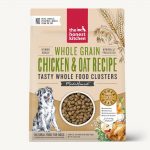 The Honest KitchenThe Honest Kitchen Whole Grain Chicken & Oat Recipe Whole Food Clusters Dry Dog Food
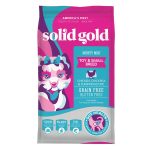 Solid GoldSolid Gold Mighty Mini Toy & Small Breed Chicken, Chickpea & Pumpkin Recipe Grain-Free Dry Dog Food
 AvoDermAvoDerm Advanced Joint Health Grain-Free Chicken Meal Formula Dry Dog Food
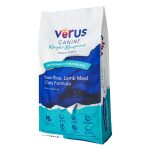 VerusVerus Weight Management Brown Rice, Lamb Meal & Oats Formula Dry Dog Food
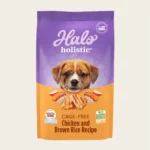 HaloHalo Holistic Cage-Free Chicken & Brown Rice Recipe Dry Puppy Dry Dog Food
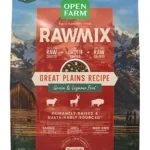 Open FarmOpen Farm RawMix Great Plains Grain-Free Dry Dog Food
 Royal CaninRoyal Canin Veterinary Selected Protein PW Large Breed Grain-Free Dry Dog Food
Checked against the ingredient list we store for each food. Labels change, so read the bag before you buy.
Sources
What we read
Checked October 1, 2026.
- 1 Evaluation of the clinical and allergen specific serum immunoglobulin E responses to oral challenge with cornstarch, corn, soy and a soy hydrolysate diet in dogs with spontaneous food allergy
- 2 Efficacy of hydrolyzed soy dog food and homemade food with original protein in the control of food-induced atopic dermatitis in dogs
- 3 A Randomized, Open-Label, Positively-Controlled Field Trial of a Hydrolyzed Protein Diet in Dogs with Chronic Small Bowel Enteropathy
- 4 Intestinal transit and absorption of soy protein in dogs depend on load and degree of protein hydrolysis
- 5 Evaluation of Soybean Ingredients in Pet Foods Applications: Systematic Review
- 6 Hydrolyzed Diets
- 7 What's in the Ingredients List?
- 8 Why soy? - pet food ingredients