
Ingredient file // Animal protein
Poultry Heart
Real heart muscle, not a heart supplement
Poultry heart is the heart muscle of a farmed bird, with the species left unnamed. In wet food it supplies moist muscle protein, fat, iron and B12. The taurine and CoQ10 heart-health story has never been tested in dogs.
Role in the food Supporting nutrient- What it is
- The heart muscle of a farmed bird, used as an organ meat, with the species left unnamed.
- Made from
- Hearts removed with the giblets at poultry slaughter
- Main job
- Moist muscle protein and fat
- Typical amount
- Not published
- Watch for
- Unnamed species, a problem for poultry-allergic dogs
- Not the same as
- Poultry by-products
Straight answer
Is Poultry Heart safe for dogs?
Count it as meat, then check the bird
Read poultry heart as muscle meat that adds protein and fat. High in a wet food list, it is a sound sign about the meat content and says nothing about heart health. If your dog has a diagnosed poultry allergy, ask the maker which bird it comes from, since the label does not say.
- Why it is in the food
- Moist muscle protein and fat
- How common
- Listed by 2 of the 3,204 foods we track
Our read // In our catalog
In 1 of every 1,602 foods we track
Share of foods that list it
<1%
2 of the 3,204 foods with an ingredient list on file, from 2 brands. All wet dog food.
Each square is 1% of the catalog
Where it sits on the label
Median position 8.5. In the top five of 1 food, so it is usually a main ingredient.
Above the salt
Almost always listed before the salt, so there is more of it than a pinch.
Who leans on it
50%
of the foods that list it are from Dave's Pet Food. 2 brands use it in total.
What it is
How it is made
Every bird slaughtered for meat yields one heart, removed along with the liver and gizzard as the giblets. A food that lists poultry heart uses that muscle on its own, without naming the bird.1,2,11
- 01 // Source Farmed birds Chickens, turkeys or ducks slaughtered for meat. A label reading poultry heart does not say which species.
- 02 // Process Giblets removed The heart comes out at evisceration with the liver and gizzard, the three organs grouped as giblets.
- 03 // Process Chilled Giblets are chilled in water after evisceration. Hearts absorbed about 6.6% water in a two-plant study, more than liver or gizzard.
- 04 // Output Raw hearts Raw heart muscle, about 74% water and 16% protein in USDA's analysis, ready to grind into a recipe.
What is in it
Composition, dry matter
59
% protein
Protein in chicken heart on a dry matter basis. Most of the rest is fat, about 35%, so heart is a fairly rich meat.
Why it is in the bag
Real meat protein, in an amount nobody publishes
- Main nutrition
- Supporting nutrient
- Does a job
- Mostly filler
Poultry heart is muscle, about 15.6 g protein and 9.3 g fat per 100 g raw, with iron and B12, so it is not filler. Makers use it because every bird yields one, and naming it reads better than the poultry by-products heading AAFCO otherwise files giblets under. No source publishes how much a food uses. Labels run by weight, so high in a wet food list it likely adds real protein; far down, much less.1,2
-
01
Muscle protein for wet food
Raw heart is about 74% water and 16% protein, close to the moisture of a canned recipe, so it adds meat protein without a rendering step.1
-
02
Names one organ
Giblets otherwise vanish into the poultry by-products catch-all. Listing heart by name tells the reader which organ went in, a labeling choice that makes a recipe look selective.2
-
03
Adds iron, zinc and B12
On a dry basis chicken heart carries about 226 mg/kg iron and 250 mg/kg zinc. That helps the mineral totals, though the vitamin and mineral premix still sets the guarantee.1
How much No source we opened publishes a typical inclusion, and no dog trial has fed poultry heart as a test ingredient.
Our read // The claims
What the evidence supports
Strong: controlled studies in dogs agree. Some: small or mixed dog data. Thin: mechanism or lab work only. None: nothing, or the evidence points the other way.
-
Brands say
A natural source of iron and B12
Evidence
- Strong
- Some
- Thin
- None
USDA lists raw chicken heart at 5.96 mg iron and 7.29 µg B12 per 100 g. The numbers are real. A complete food is fortified to meet both needs anyway, so heart contributes rather than guarantees.1
-
Brands say
Heart meat supplies taurine for a healthy heart
Outruns the evidence
Evidence
- Strong
- Some
- Thin
- None
Animal muscle carries taurine, but cooking in water leaches it, and dogs make their own. The 23 of 24 deficient golden retrievers that recovered got a diet change plus taurine supplements. No trial tested heart meat.3,4,5
-
Brands say
CoQ10 in heart supports heart function
Outruns the evidence
Evidence
- Strong
- Some
- Thin
- None
Fresh chicken heart held about 114 mg CoQ10 per kg in one analysis, but the compound breaks down with heat. Even as a dedicated supplement, its use in dogs with heart failure is described as anecdotal.6,7
-
Critics say
Organ meat is cheap offal filler
Outruns the evidence
Evidence
- Strong
- Some
- Thin
- None
Heart is working muscle. AAFCO counts mammal heart as meat, and USDA figures put chicken heart at about 59% protein on a dry matter basis, a meat-level number. Calling it filler gets the tissue wrong.1,2
Straight answers
What owners ask
-
Q01
Is it just filler?
NoHeart is muscle that works nonstop, about 59% protein on a dry basis, and AAFCO counts mammal heart as meat. It is an organ by location, not by makeup, and it supplies real protein and fat.1,2
-
Q02
Is it the same as poultry by-products?
NarrowerBy-products can include heads, feet and other viscera along with the giblets. A line reading poultry heart tells you exactly which part went in, though it still does not name the bird.2
-
Q03
Will it fix a taurine problem?
NoDogs make taurine from methionine and cysteine. The deficient golden retrievers that recovered did so on diet changes plus taurine supplements, 23 of 24 dogs. A heart-health diagnosis needs a cardiologist, not an ingredient.4,5
Who uses it
Brands, best sellers and the company it keeps
Top brands, by foods that list it
Foods that list it / all the brand's recipes we track.
Usually listed with, share of the foods that list it
- Poultry Liver 100%
- Duck 100%
- Chicken 50%
- Chicken Broth 50%
- Turkey Broth 50%
- Turkey 50%
- Brown Rice Flour 50%
- Carrots 50%
- Pea Protein 50%
- Peas 50%
- Duck Broth 50%
- Salmon 50%
On the shelf
Foods that list Poultry Heart
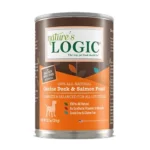
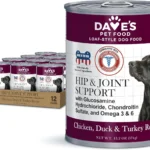
2 foods in our catalog list it, highest on the label first.
Sources
What we read
Checked October 1, 2026.
- 1 Chicken, heart, all classes, raw (SR Legacy 171458)
- 2 What's in the Ingredients List?
- 3 Taurine concentrations in animal feed ingredients; cooking influences taurine content
- 4 FDA Investigation into Potential Link between Certain Diets and Canine Dilated Cardiomyopathy
- 5 Taurine deficiency and dilated cardiomyopathy in golden retrievers fed commercial diets
- 6 Determination of Coenzyme Q10 Content in Food By-Products and Waste by High-Performance Liquid Chromatography Coupled with Diode Array Detection
- 7 Depleted Myocardial Coenzyme Q10 in Cavalier King Charles Spaniels with Congestive Heart Failure Due to Myxomatous Mitral Valve Disease
- 8 Critically appraised topic on adverse food reactions of companion animals (2): common food allergen sources in dogs and cats
- 9 21 CFR 113.3 Definitions (Thermally processed low-acid foods packaged in hermetically sealed containers)
- 10 21 CFR 500.23 Thermally processed low-acid foods packaged in hermetically sealed containers
- 11 Determination of Moisture Levels, Protein and Water Absorption of Chicken Giblets